
Airlines Tweak Their Pricing Strategies to Adopt New Ways to Boost Revenue

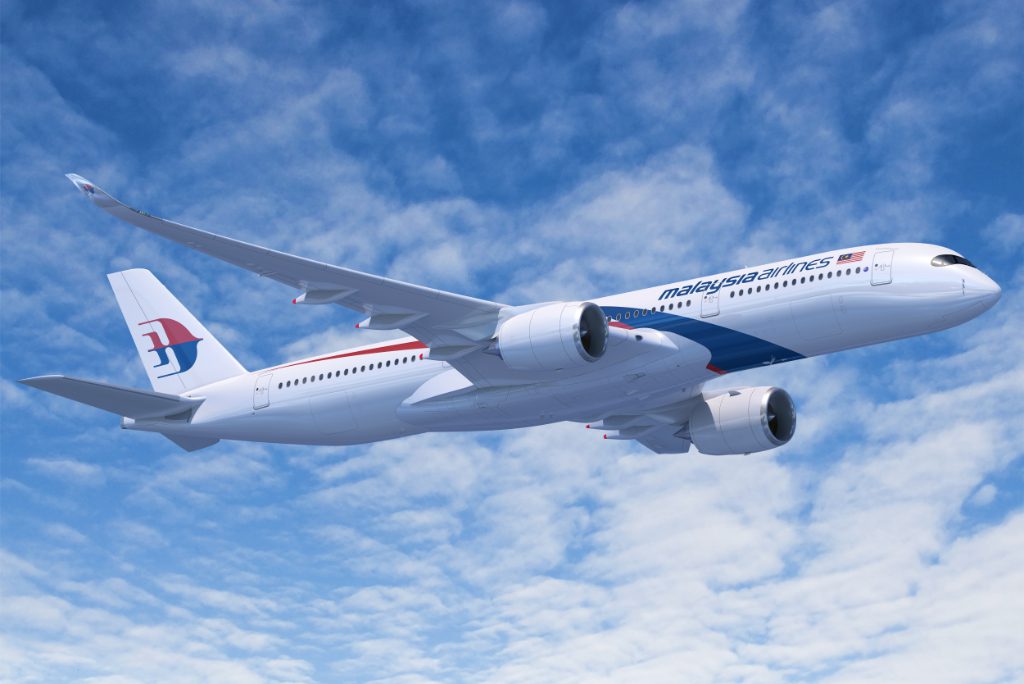
Photo Credit: A Malaysia Airlines Airbus A350-900. The carrier is a customer of PROS, a revenue management solutions provider. Malaysia Airlines
Skift Take
Airlines need to shift from forecasting models that rely primarily on historical data to ones that analyze real-time demand. That's how Amazon and other e-commerce companies handle pricing. No wonder travel tech players PROS, Amadeus, Sabre, and Flyr spy an opportunity.
The pandemic caused a plunge in demand that has stumped the software that airlines use for pricing. The airlines have been responding by changing how they forecast demand. The changes are shaking up revenue management, a specialty that airlines have spent hundreds of millions of dollars on in the past decade.
While demand has plunged more than 70 percent on many routes, airlines have tried to keep their pricing power. United cut its domestic U.S. one-way ticket prices only 10 percent year-over-year to $228, including taxes and fees, during the second quarter, according to most recent data yet released by the U.S. Department of Transportation and analyzed by travel data company Cirium. Frontier trimmed fares only 8 percent on average, to $68. Delta trimmed 14 percent to $208, on average.
As airlines rethink their fares, loosening rules, trying continuous pricing, and adopting artificial intelligence techniques are on the agenda. One common goal is to simplify what their customers

