
Interview: Air France-KLM CEO on Millennials and Unions of All Kinds
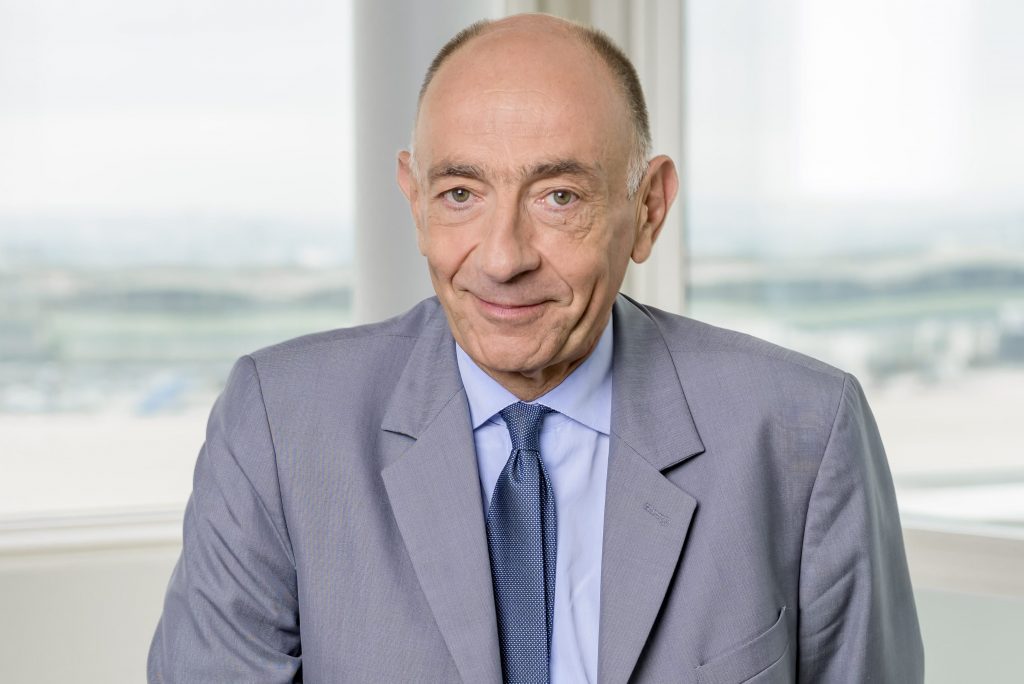
Photo Credit: CEO Jean-Marc Janaillac has helped stabilize Air France-KLM in slightly more than a year leading the company. Air France
Skift Take
Is there a tougher job in the airline industry than making Air France more nimble? It's an airline that prides itself on its systems and procedures. But to compete forcefully in the 21st century, an airline must take chances. Air France needs to be more, in that regard, like its Dutch sibling, KLM.
Future of Passenger Experience
To better understand the challenges facing airlines in an age of fluctuating oil prices, rapid growth, and changing passenger expectations, our Future of Passenger Experience series will allow leaders in the industry to explain their best practices and insights.You might say Air France hit its nadir in October 2015, when photographs and videos emerged of the airline's head of human relations, nearly shirtless after protestors yanked at his clothing, being boosted over a fence by security officers. They were helping him escape from a mob, upset the airline planned to fire nearly 3,000 flight attendants, pilots and ground crew employees.
Executives said they had no choice. Even more than other top European airlines, including British Airways and Lufthansa, Air France is burdened with high costs, and management complained unions had shown little interest in allowing it to be more nimble against legacy airlines and low-cost carriers.
At the time, Air France was profitable, but not by much. Its margin in 2015 was 2.8 percent, less than the 3.9 percent recorded by sister company KLM. The French and Dutch airlines combined in 2004, the first merger in a wave of airline consolidation that would sweep Europe and the U

