
Star Alliance CEO Interview: Member Airlines Don’t Strive For ‘Homogeneous’ Service
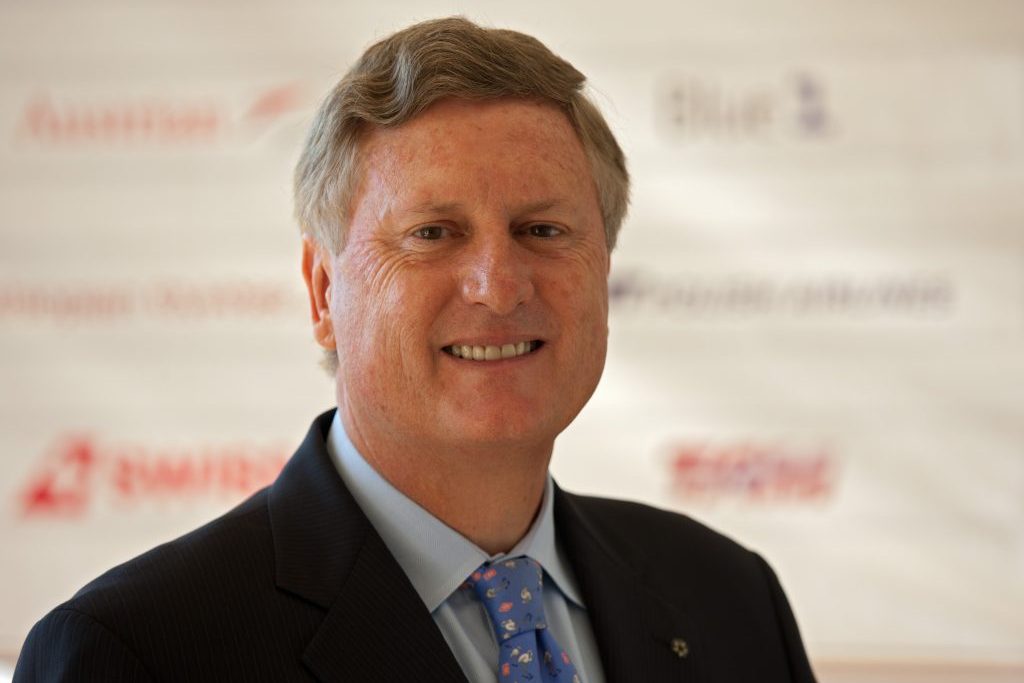
Photo Credit: Mark Schwab is retiring as the CEO of Star Alliance, one of the three leading airline alliance groups. Star Alliance
Skift Take
For the past five years, Mark Schwab has tried to manage a complex alliance of nearly 30 airlines. Given the number of differing opinions involved, Schwab has had one of the more difficult jobs in the airline industry.
Several years before taking over as CEO of Etihad Airways, James Hogan was a senior executive at British Midland International, a small, now defunct, UK airline and one of the earliest members of Star Alliance.
"It’s like being in a Catholic Irish family with 10 kids,” Hogan once said, describing the experience of attending alliance meetings with executives from other airlines. “If you are at the end of the table, it’s like, ‘Can you pass the beans?'”
The idea of airline alliances was hatched a couple of decades ago, partially as an opportunity to make travel more seamless for customers. Star Alliance was first of the three major global alliances to form, starting in 1997 with Air Canada, Lufthansa, SAS, Thai Airways, and United Airlines.
In Star, like its competitors, OneWorld and SkyTeam, passengers are supposed to be able to use their frequent flyer miles on any airline, and they should have a cohesive travel experience, when flying two or more Star Alliance

