
The World Cup Promised to Go Green. This One Could Be the Most Carbon-Heavy Ever

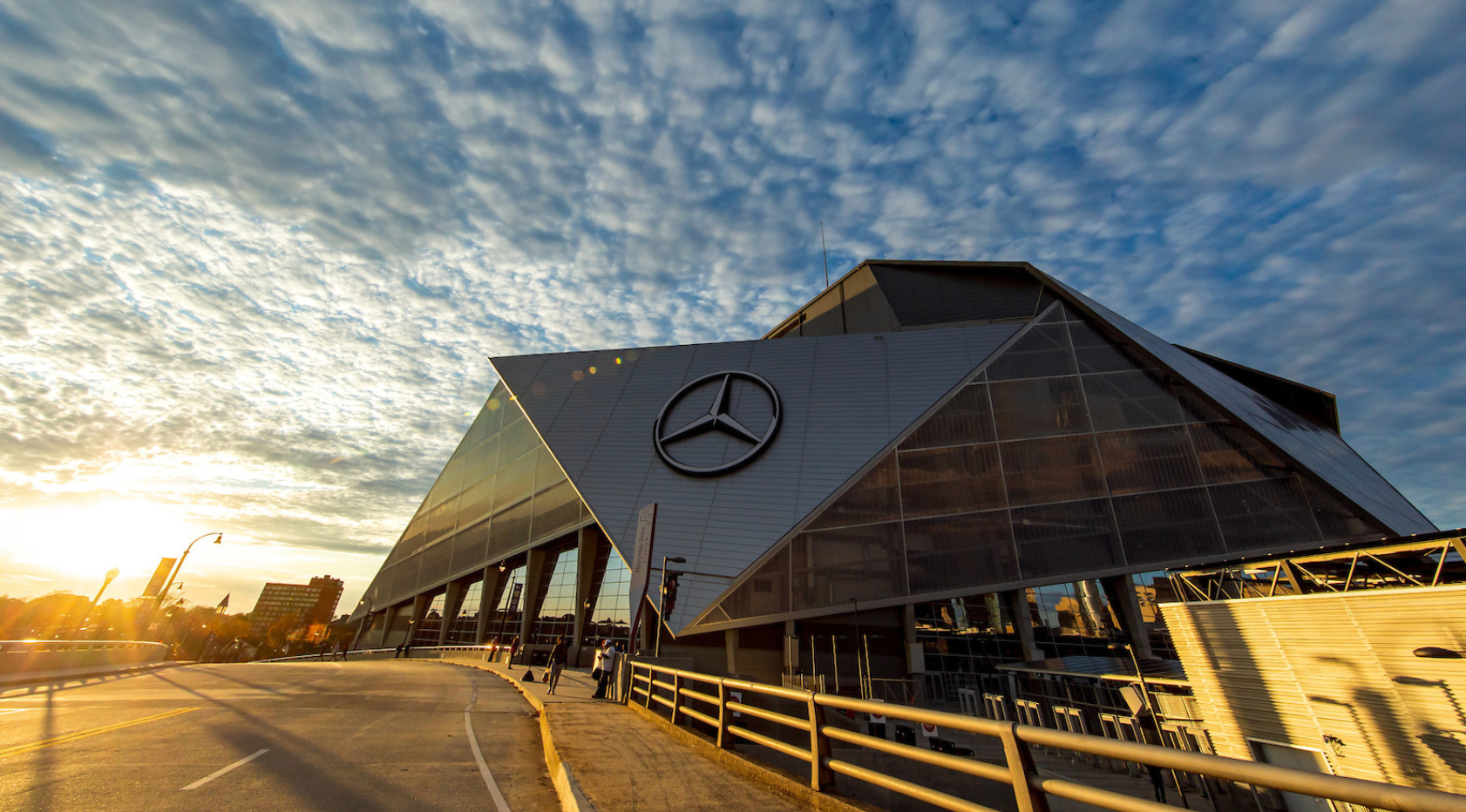
Photo Credit: The stadium in Atlanta, U.S., will host multiple World Cup matches. Mercedes Benz Stadium
Skift Take
Transportation is the main problem. Progress in emission reductions at the World Cup would come from concentrating future tournaments in single countries.

The 2026 World Cup, spread across 16 cities in three countries, could generate between 7.8 and 9 million metric tons of CO₂, according to two independent analyses — making it the most carbon-intensive tournament in the event's history.
The higher estimate, from researchers at Scientists for Global Responsibility and the Environmental Defense Fund, was reached by modelling stadium capacity, match numbers and flight patterns.
Carbon accounting firm Greenly put the figure at 7.8 million tons and agreed on the cause: the vast distances fans and team


