During the past weeks, all eyes have been on the Middle East. The players have certainly delivered, and it feels like the region is on the cusp of something much bigger as well. This is what it means for the travel industry.
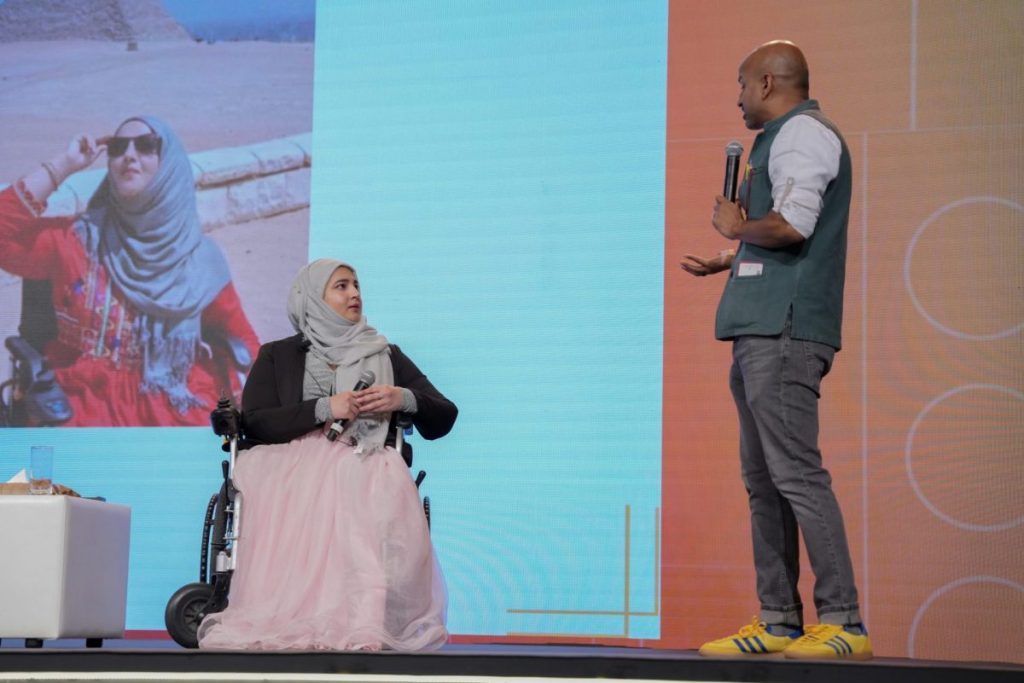
Travelers with disabilities face far greater challenges than the travel industry allows for, with disability rights activist Tanzila Khan calling for more communication, empathy, and fairness in pricing for this one billion-strong travel segment.
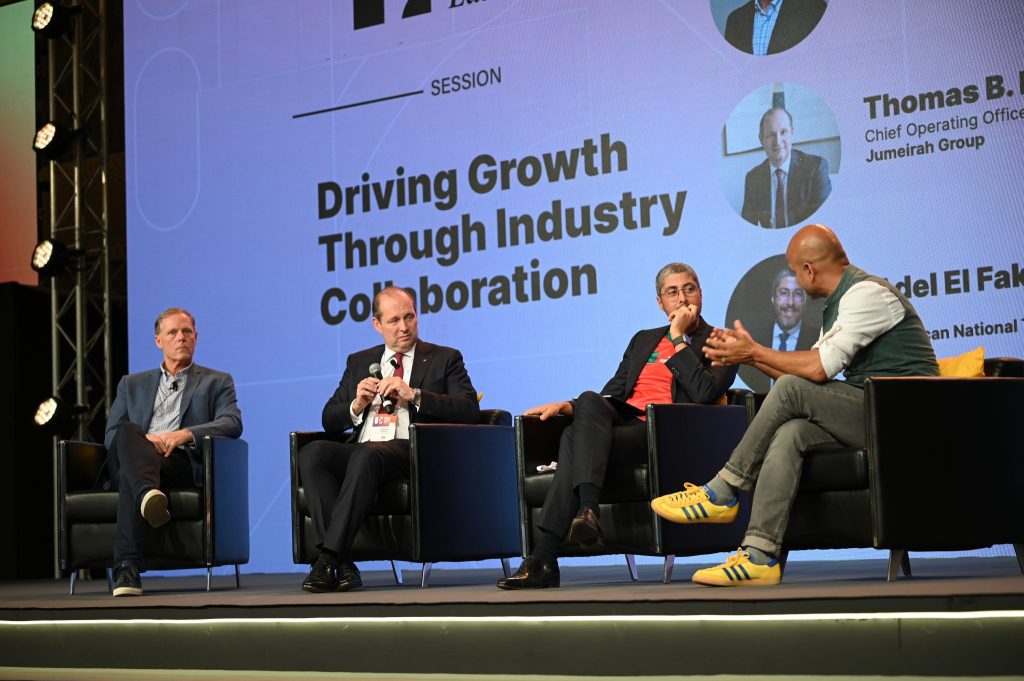
The Middle East region is known for its competitiveness. But we are about to see a softening where more brands are willing to collaborate and cooperate in a bid to capture the imagination of more tourists worldwide.
Even as global hotel development may have slowed down due to serious risks looming over the economy, the hospitality sector's development of Gulf nations remains robust. The nations realize offering choice is essential for people to visit a destination.
Michigan’s tourism campaign is a reminder that destination marketers everywhere can spark economic investment — provided that governments entrust them with significant amount of funding.
Airbnb's changes undoubtedly won't solve the issue of traveling on "Airbnb while Black," and the company isn't claiming they will. One can hope that there will at least be modest progress with more steps to come.
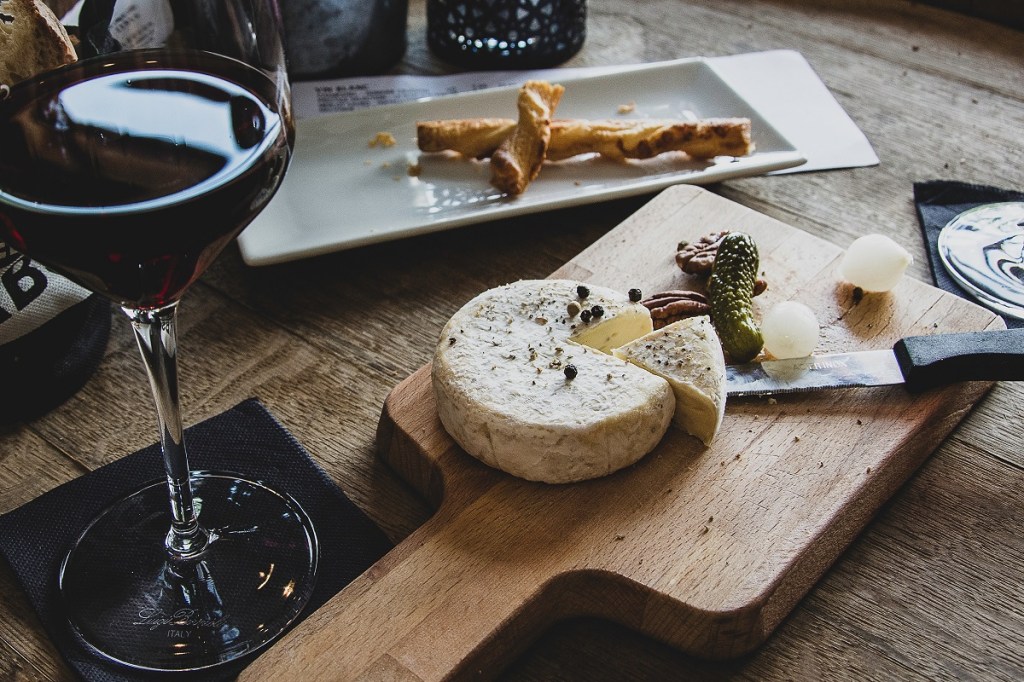
Food experiences are a mainstay for travelers who want to tap into the vibe and culture of a destination — with one global food tours company intent on dominating the culinary space by buying smaller operators that can extend its brand presence.
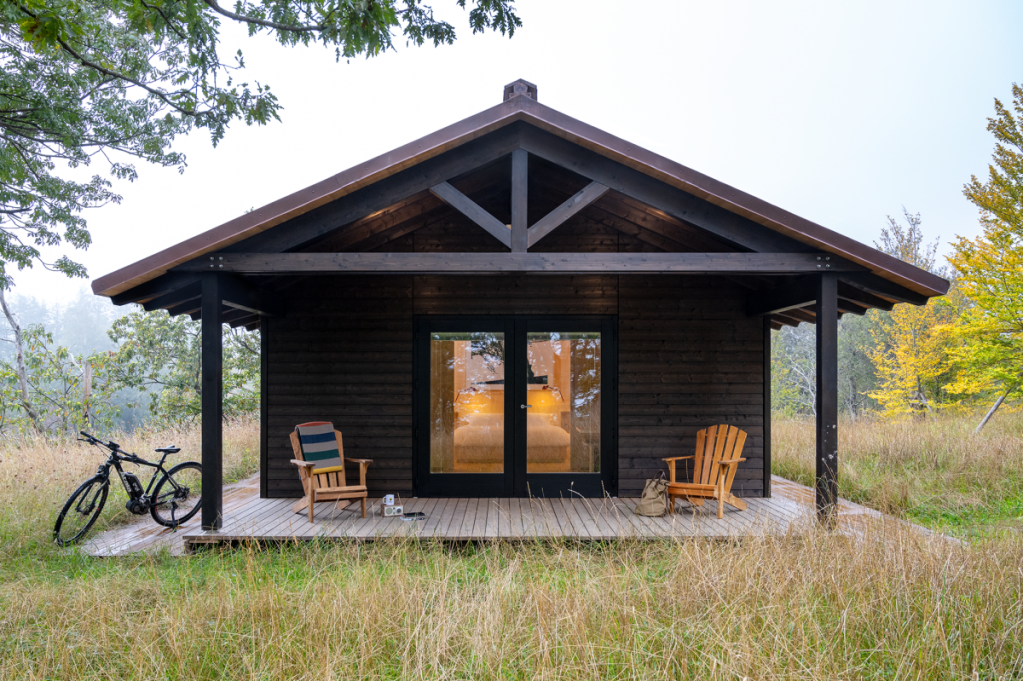
Sustainable, high-end nature lodges have been popping up worldwide. Making the concept succeed in Italy, however, may be a challenge, given that it has to out-compete so many established attractions.