
What Went Wrong at Thomas Cook in 2018?
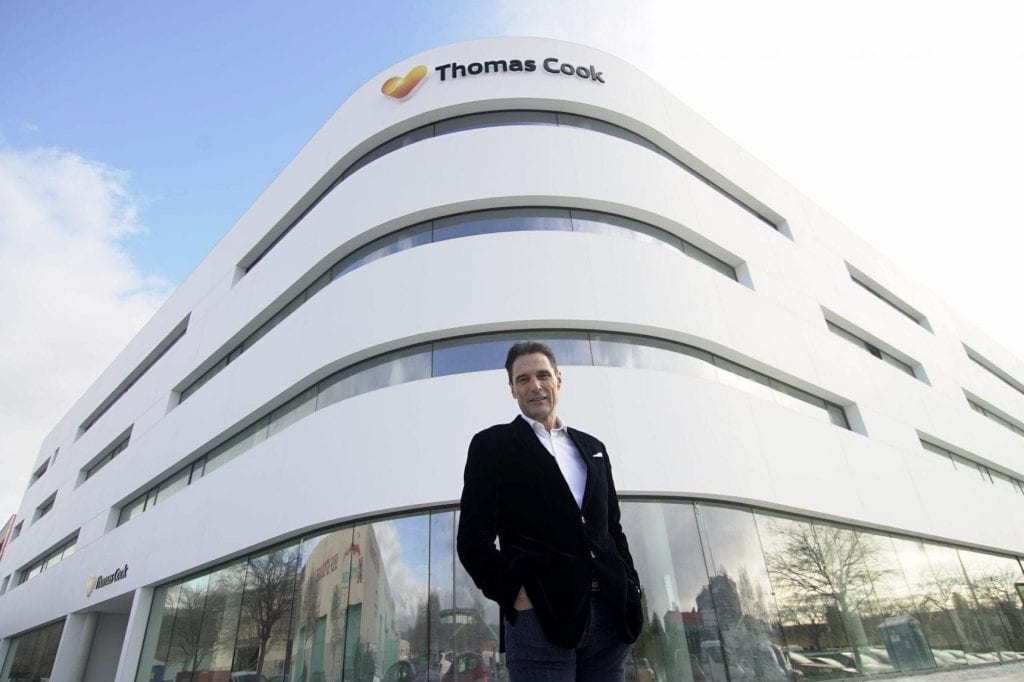
Photo Credit: Thomas Cook CEO Peter Fankhauser. The company endured a difficult 2018. Thomas Cook
Skift Take
Thomas Cook might have been a victim of circumstance but it probably hasn't helped itself. It is caught between the asset-heavy approach of TUI and smaller, more nimble online rivals. It needs to get its house in order to ensure it doesn't keep repeating the same mistakes.
During this time last year Thomas Cook CEO Peter Fankhauser was in an ebullient mood. He had presided over a “milestone” year with profit up, debt cut and another dividend for shareholders.
“I strongly believe that our focus on customers, quality and service is key to our success, positioning us to deliver long-term sustainable profitable growth,” he said at the time.
Twelve months later, the company’s share price has fallen to its lowest level in six years, having issued multiple profit warnings, culminating with an annual loss of $208 million (£163 million.)
This year was challenging for many European travel businesses. Warm summer weather, air traffic control strikes, and rising fuel prices all played their part but Thomas Cook suffered more than most.
Its struggles will remind many in the industry of its disastrous 2011, where it came close to going out of business.
How many of the company’s problems are self-inflicted and how many are down to things out

