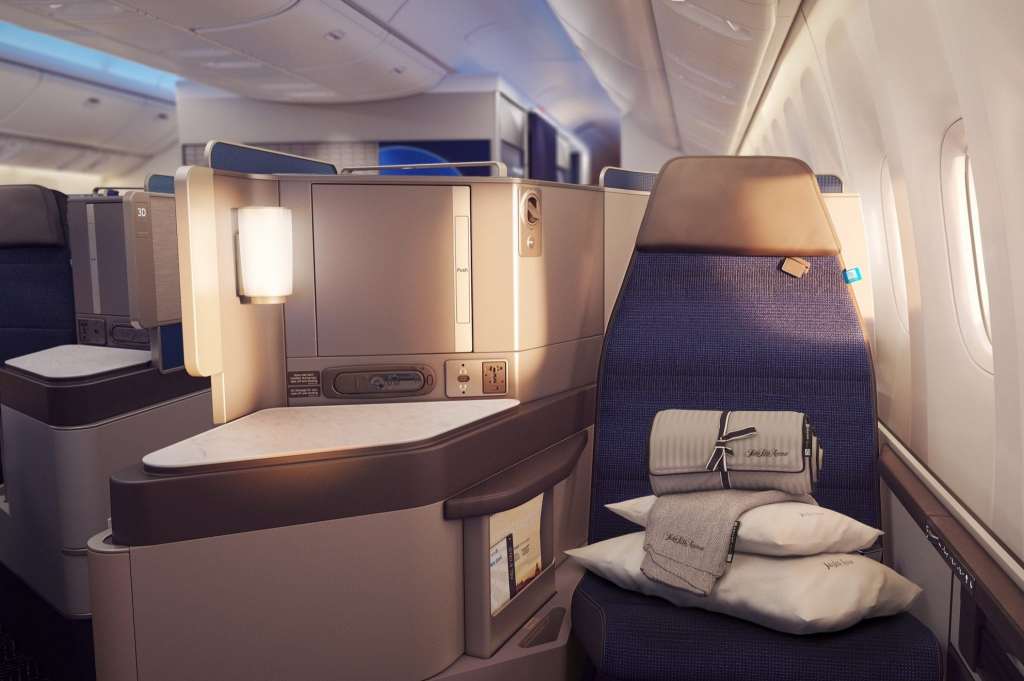
It's been a rough year for heavy business travelers as airlines slowly shifted towards revenue-centric products and loyalty programs. Five illustrations of this trend show how just how dramatically the landscape is shifting.
With its brands that offer escorted tours, The Travel Corporation is finding that it needs to offer the assurance of a guide as well as personalized touches so trips don't feel mass-produced.
The study states that a social media influencer is someone who has the ability to cause effect or change behavior. Too often the definition of an influencer is misconstrued with reach and popularity, which should be the added bonuses or afterthoughts. Travel brands should analyze what kind of effect influencers have on their audience before asking to work with them.
We're getting a bit more insight into exactly how Marriott is positioning all those 30 brands but it remains to be seen how any differences among those 30 will actually play out. All we can say is we certainly don't envy Tina Edmundson's Herculean task to distinguish each and every one of those brands going forward.
In its short history, Skift has talked about the balance of power in travel heading East, whether it is the influence of Chinese travelers, the rise of Ctrip and Alibaba, or the emergence of the Gulf carriers with their luxury long-haul flights. Ctrip's acquisition of Skyscanner is one of those moments that mattered in 2016 and Ctrip's global ambitions are a manifestation of what we have been talking about.
While many of the challengers to legacy brands and systems have gained legitimacy and formed partnerships this year, we're still in the early stages of the eruptions along the fault lines of travel. Here are a few startups placing their bets in the midst of this.
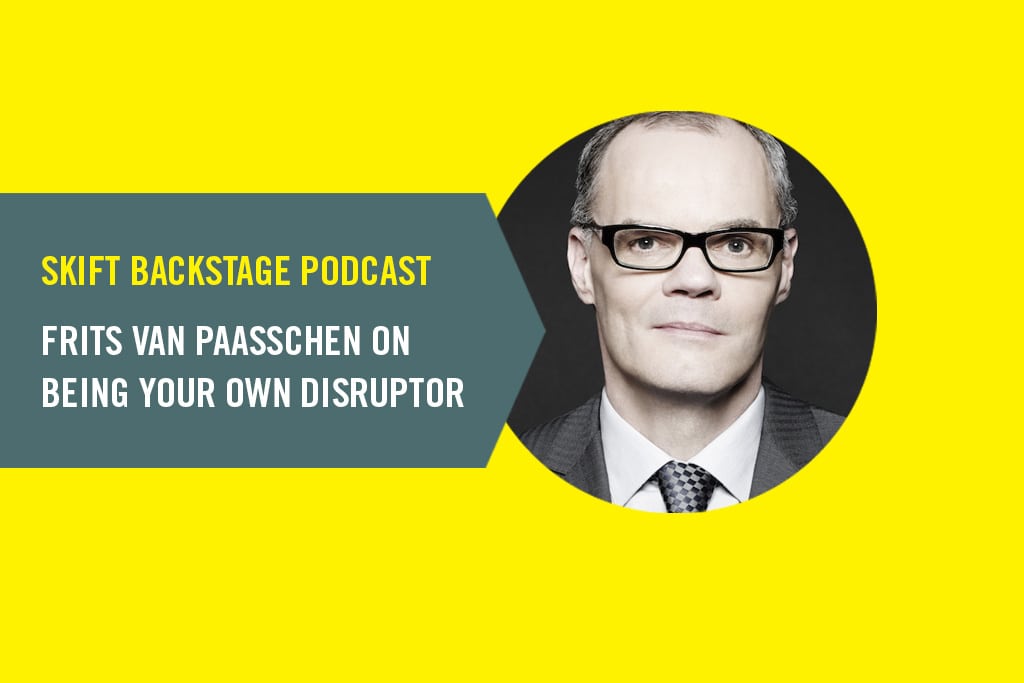
Frits van Paasschen brings great perspective to the biggest hotel story of the year and offers a smart take on the puzzles that the travel industry still needs to solve.