By creating new networks between the bureau and local businesses—tourism and otherwise—the Vancouver "DMMO" is rewriting the rules of internal destination engagement.
The overworked, under-vacationed and under-traveled American is a cliche, and 2014 was no different. Hopefully 2015 will see the travel industry band together to figure out better ways to get Americans to take a break; organizations like USTA and brands like MasterCard and Expedia are trying.
For the progressive traveler of today looking for a more immersive experience and who wants to pack in a lot of diverse experiences in a week or two, here's our one pick for 2015: the small kingdom of Oman.
By pooling resources, the national DMOs can build on each others' strengths and expand Europe's exposure for corporate travelers and meeting attendees beyond the traditional first-tier countries.
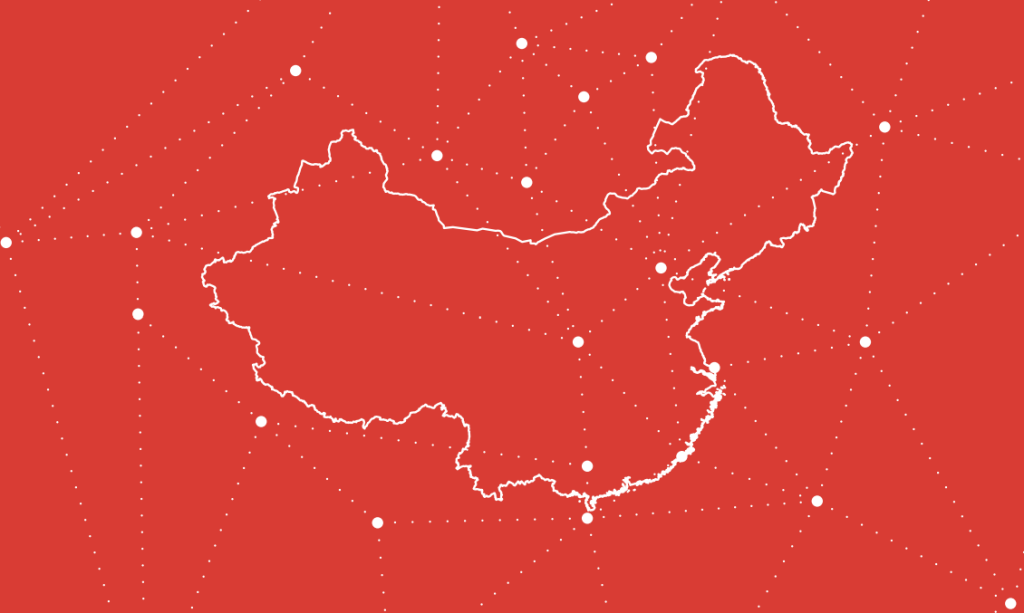
2015 will involve more nuanced and targeted marketing to Chinese travelers, and that reflects the ongoing diversity and fragmentation of China’s outbound market, according to these trends.
DMAI is working overtime to illustrate how tourism drives more than air arrivals and hotel nights to a destination when tourism marketers work well with local economic developers.
Dohop is carefully picking its spots: Going all in on the B2B side of the business, targeting the Middle East, and working with low cost carriers on in-app flight bookings. All of that focus and contrarian thinking could work in its favor, although competing against much larger competitors could be as difficult as scaling an Icelandic glacier.
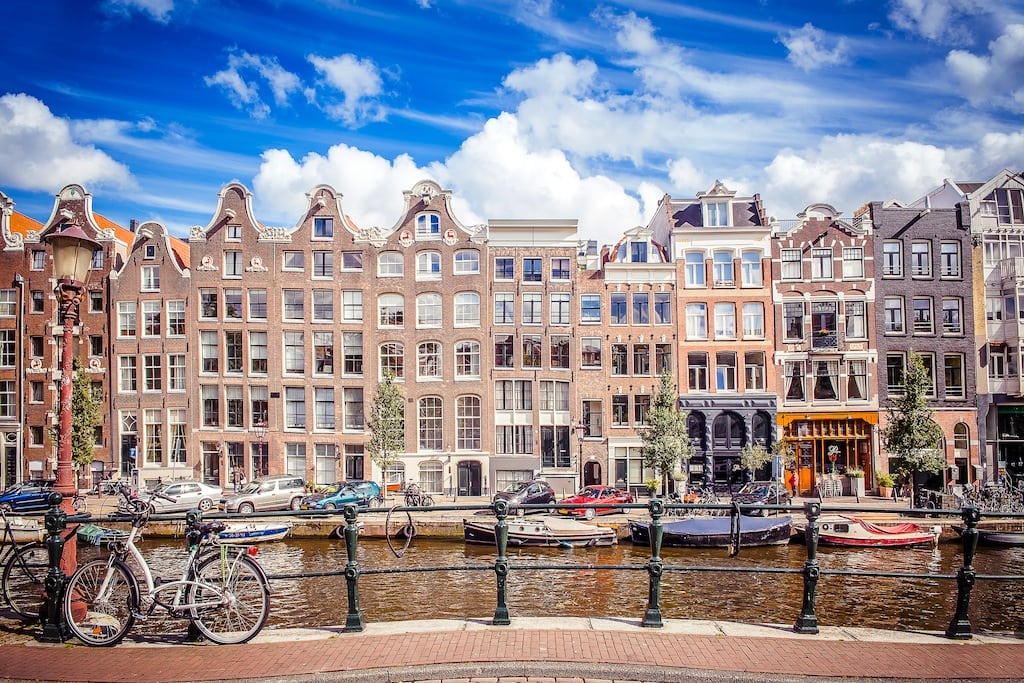
The new relationship shifts some of the responsibility of informing and educating hosts to Airbnb, which can use its platform to ensure they comply. This is a model that will likely be copied in other markets looking to legitimize the short-term rental economy.