With ambitious tourism targets, destinations in the Middle East would do good to pay heed to actor Idris Elba's suggestions to tap the creative sector.
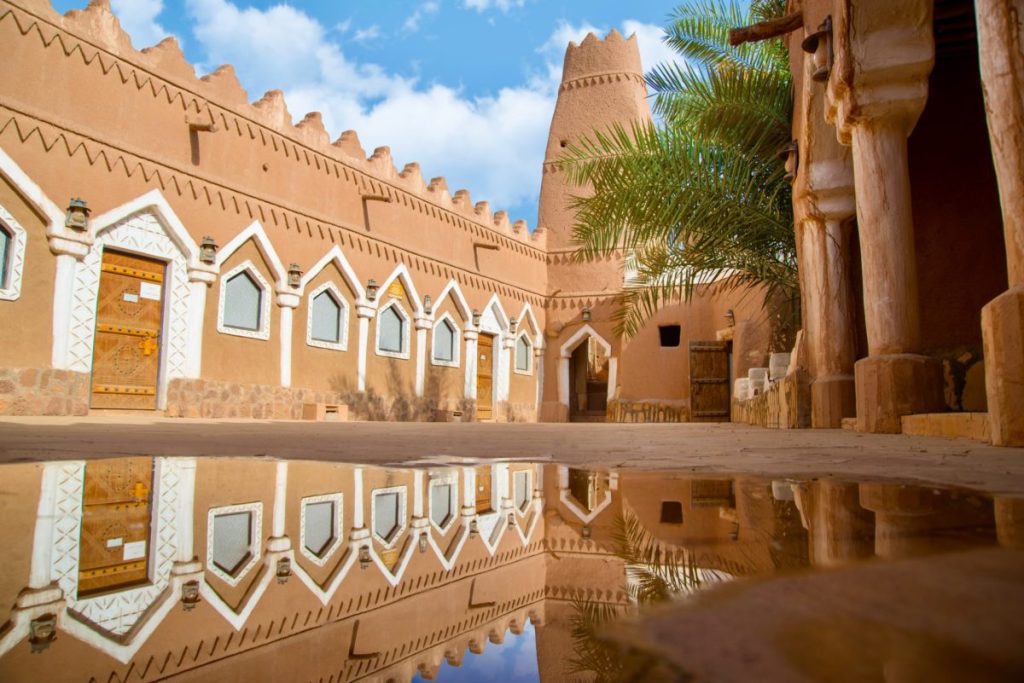
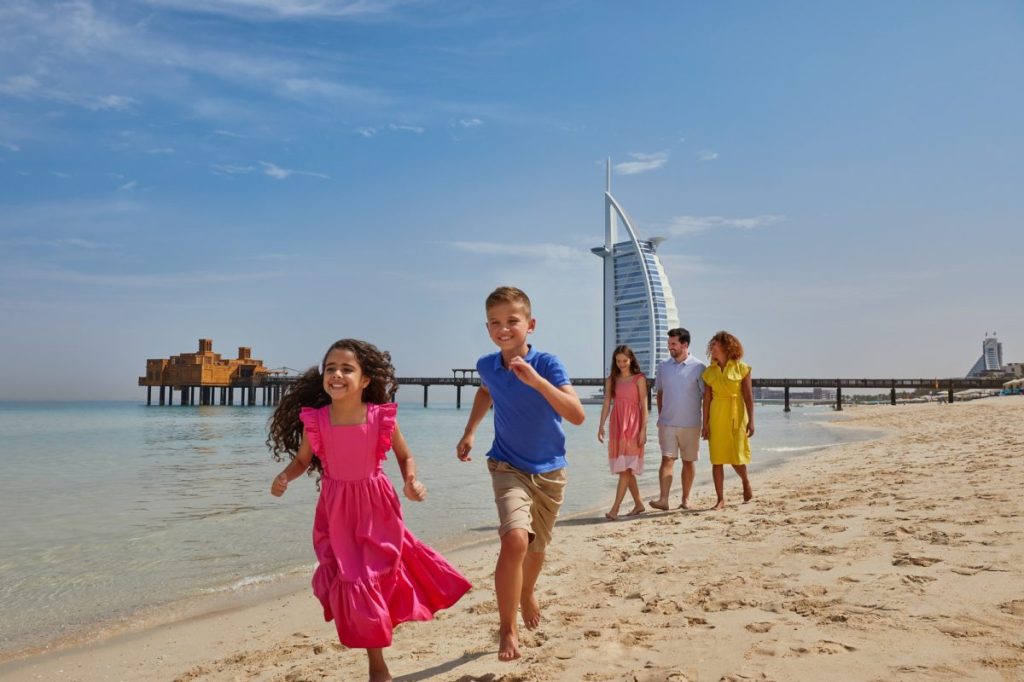
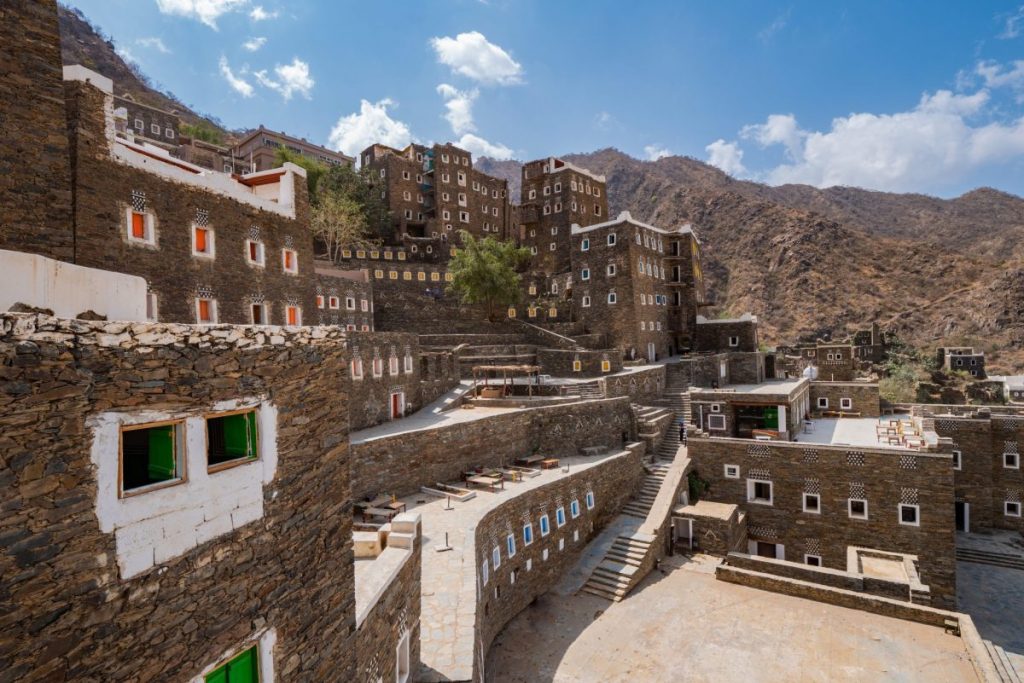
As countries in the Middle East set ambitious tourism targets for the future, Saudi Arabia is investing in infrastructure to drive numbers, while Dubai is investing in technology to adopt "Smart Gates" at Dubai airport and looking to make air taxis a reality.
Today’s edition of Skift’s daily podcast looks at short-term rentals in Saudi Arabia, Azul's potential restructuring, and hotels' business travel woes.
For a price-sensitive market like India, EaseMyTrip’s democratization of air charters will enter the mix of new low-cost carriers. Good news for bargain seekers.
By allowing locals for the first time to rent out properties to tourists, Saudi Arabia is not just trying to keep pace with growing demand, but is also trying to make the destination more accessible. Over to the locals.
From issuing the first tourist visa in September 2019 to the announcement of a free-of-charge four-day stopover transit visa for air travelers, Saudi Arabia has indeed come a long way. And then of course there's the target to attract 100 million tourists per year by 2030.
UNWTO may not be too far off the mark on its recovery prediction for the Middle East considering the number of hotel openings and new projects in the region. However, the road to recovery is fraught with economic and geopolitical risks.
It's interesting to note how each of Dubai's ambitious economic predictions rests on its tourism prowess and its ability to attract international visitors.
If being paid $100,000 for two months is not reason enough, American actor Kevin Hart lists out the reasons why he thinks being hired as Yas Island's ambassador is the "best job in the world."