With good management, this ultra low-cost airline strategy is profitable just about everywhere. The key? Airlines like Viva Aerobus must be fanatical about costs, and they must provide the cheapest fares, all the time. They also should treat their customers fairly.
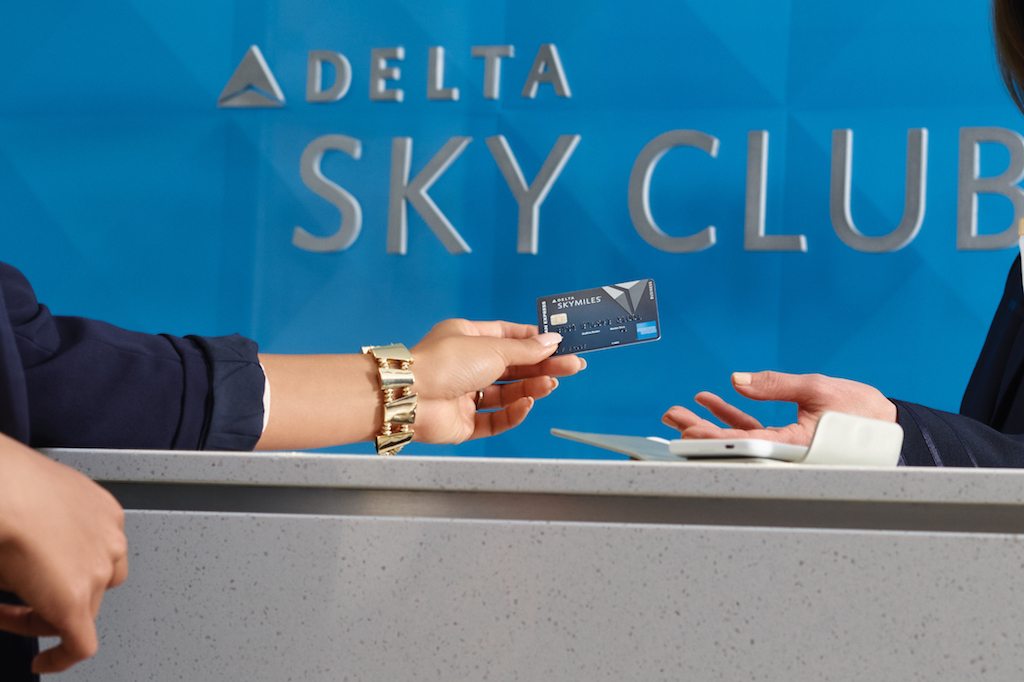
Yes, airline frequent flyer programs probably were more lucrative a decade ago. But savvy travelers can still get a lot of value out of the programs and their affiliated credit cards.
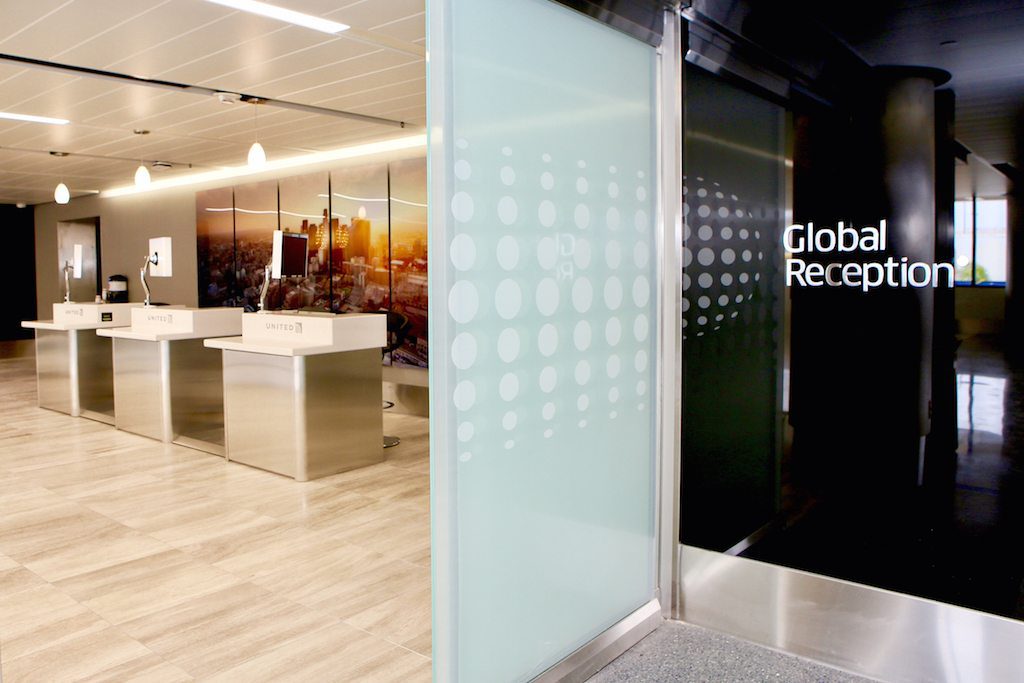
No, these special airline VIP lobbies are not new. But all three full-service U.S. airlines are investing in them, with each trying to one-up the other. If you're a regular coach customer, you likely don't care. But if you have access to these lobbies, you're probably pleased.
It's 2017. According to SITA, 98 percent of airline passengers fly with at least one mobile device. It's amazing that so many passengers still prefer to the face-to-face experience at airports. It's a lot slower than self-service, and often less effective.
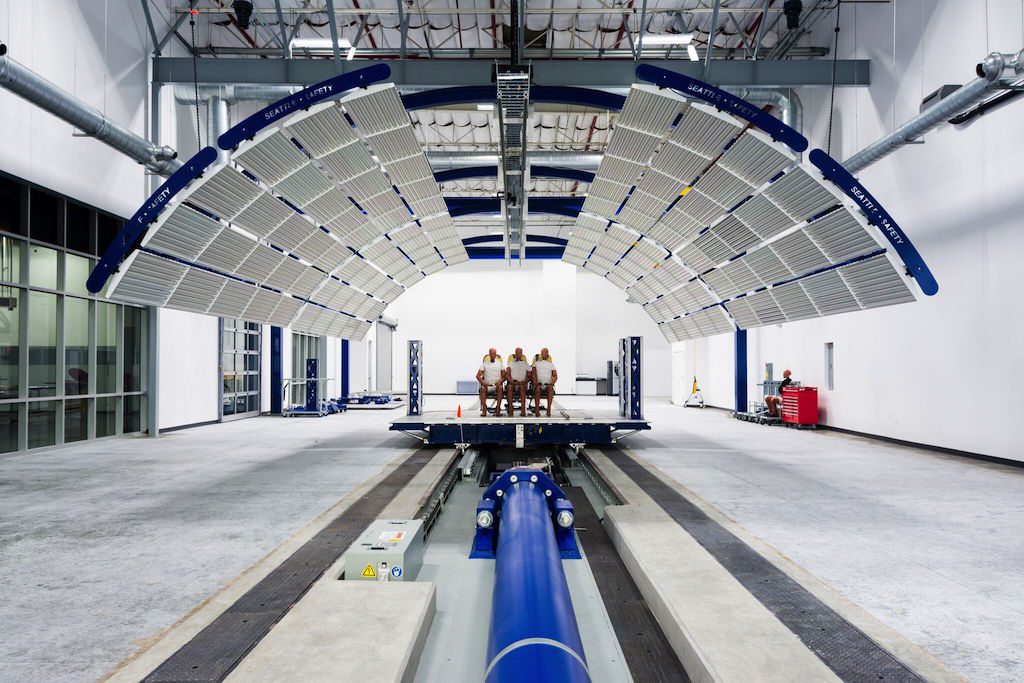
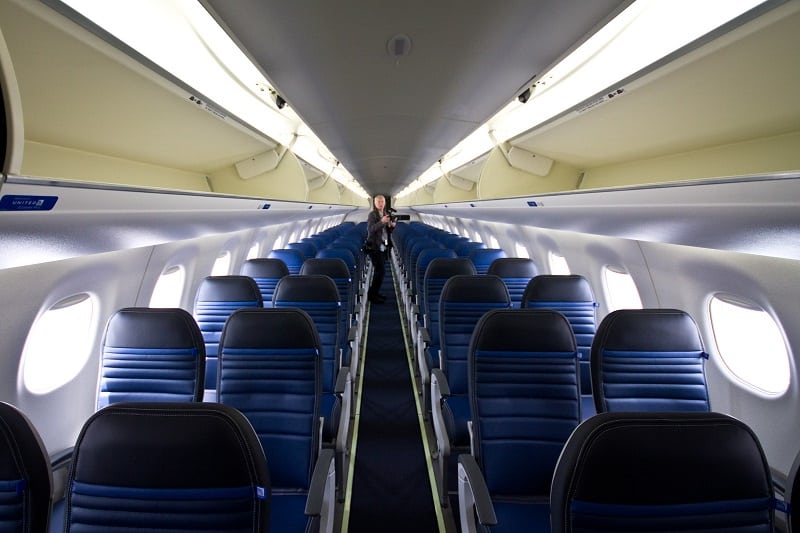
Building a coach airline seat is not like creating home furniture. Building stuff for aircraft is remarkably complicated. We got an inside look recently at the production center for an aircraft seat maker. Here's some of what we learned.
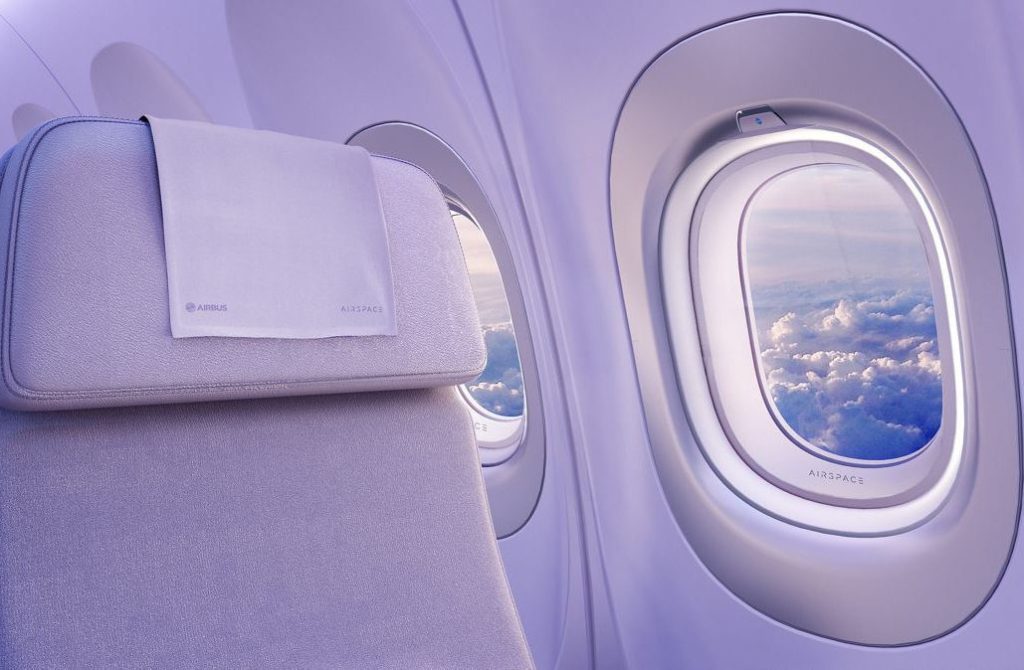
Is this a game-changer? No. But let's give Airbus some credit for making short-haul travel a little more pleasant. Too bad passengers must wait until 2020 to see the new cabins.
What have we learned from this investor conference? Americans are cheap. Some travelers probably do win when buying these fares, but United says as many as 40 percent of customers are choosing them. Surely, some don't know what they're buying.
In today's airline landscape, legacy carriers generally offer between 30 and 32 inches of seat pitch. Discount airlines give customers 28 or 29 inches. American Airlines had planned to shrink some seats to 29 inches, but customers complained. The plan is off. That's good news.