Almost everything is improving at Spirit Airlines. Its on-time performance is getting better, and customer satisfaction is rising, according to the airline. More importantly for investors, ancillary revenue is up. Can the good times last?
It can take some airlines as long as a decade after a merger before they truly operate as one entity. But Alaska Airlines is working much faster to gobble up Virgin America. Part of that is because both carriers were relatively small. But by any standard, Alaska is moving quickly.
American Airlines President Robert Isom said customer satisfaction may be declining because the airline has not been as reliable as it should be. Is that the entire problem?
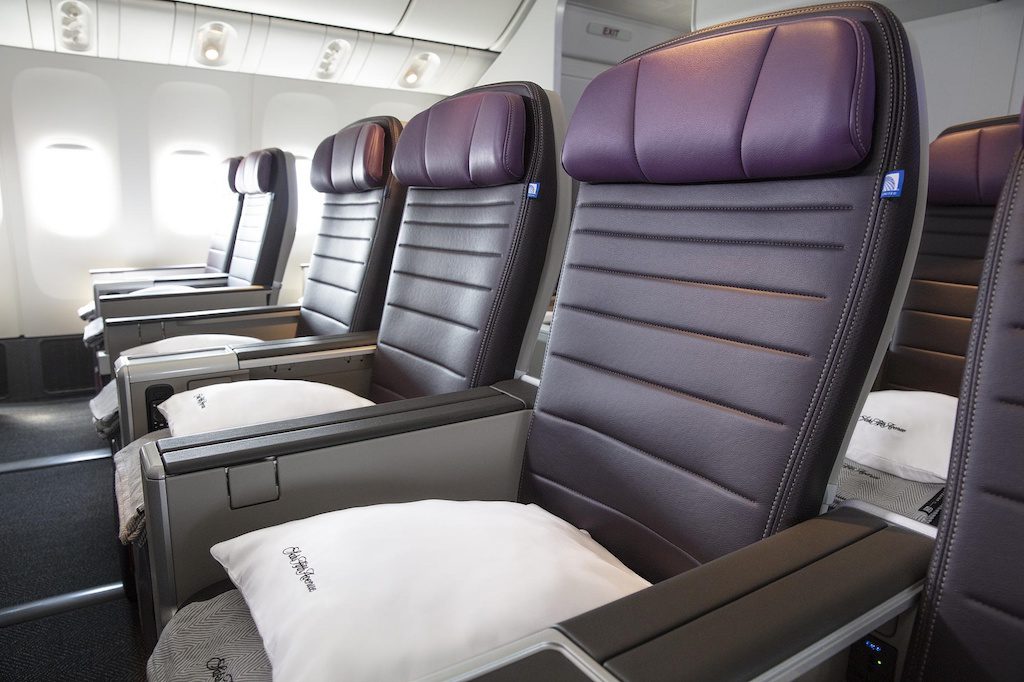
By adding a new premium-heavy configuration, United Airlines will be increasing operational complexity. It is hoping it can offset that with increased revenue. Will the plan work?
Today, United's rationale makes sense. Premium demand in many markets is robust, and United could probably make more money with more seats to sell. But what happens if business class demand drops at some point?
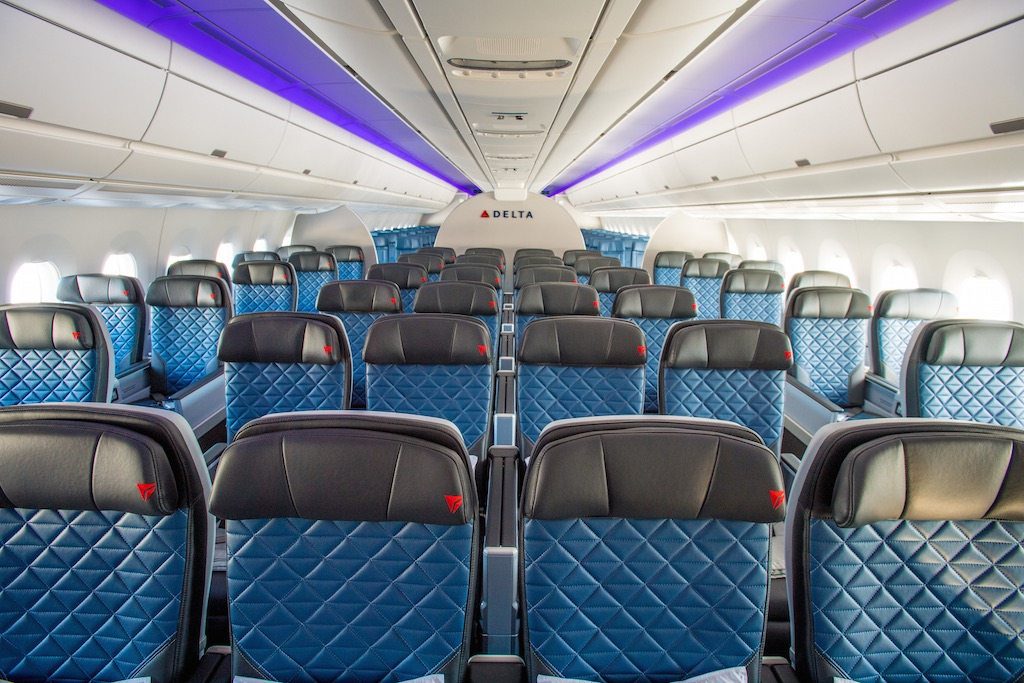
Over the past couple of decades, most U.S. airlines have focused on transporting customers from point A to B in relative comfort. Delta wants to go beyond, hoping passengers will view it as a trusted consumer brand. If they do, Delta may be able to command an even bigger revenue premium over its competitors.
Remember when airlines used to give away their best seats for free? Ha! The economy is strong, and airlines are offering fewer upgrades. Passengers who want to sit up front need to pay for it. But don't worry. Another recession will come, and the good days (for upgraders, at least) should return.