Malaysia Airlines is stepping back from budget fare battles. Instead, it’s doubling down on traditional strengths with a little help from next-generation tech.
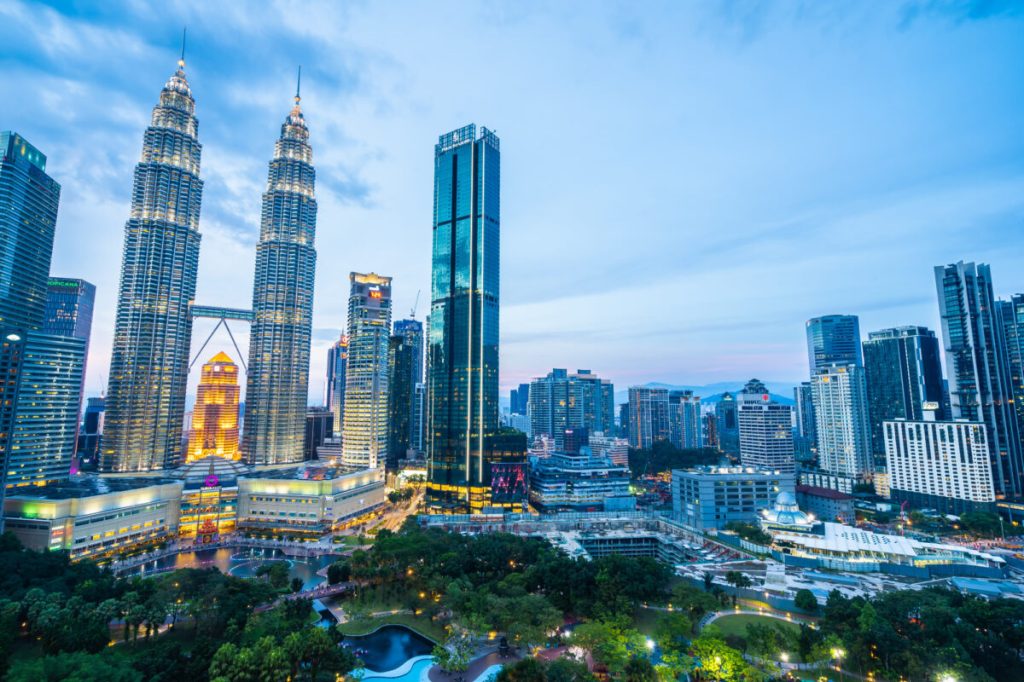
Southeast Asia’s tourism race is heating up. And with destinations like Thailand and Vietnam making strong plays, Malaysia will need to up its game. It’s also a chance for the destination to diversify its offerings and attract fresh audiences in a crowded regional race.
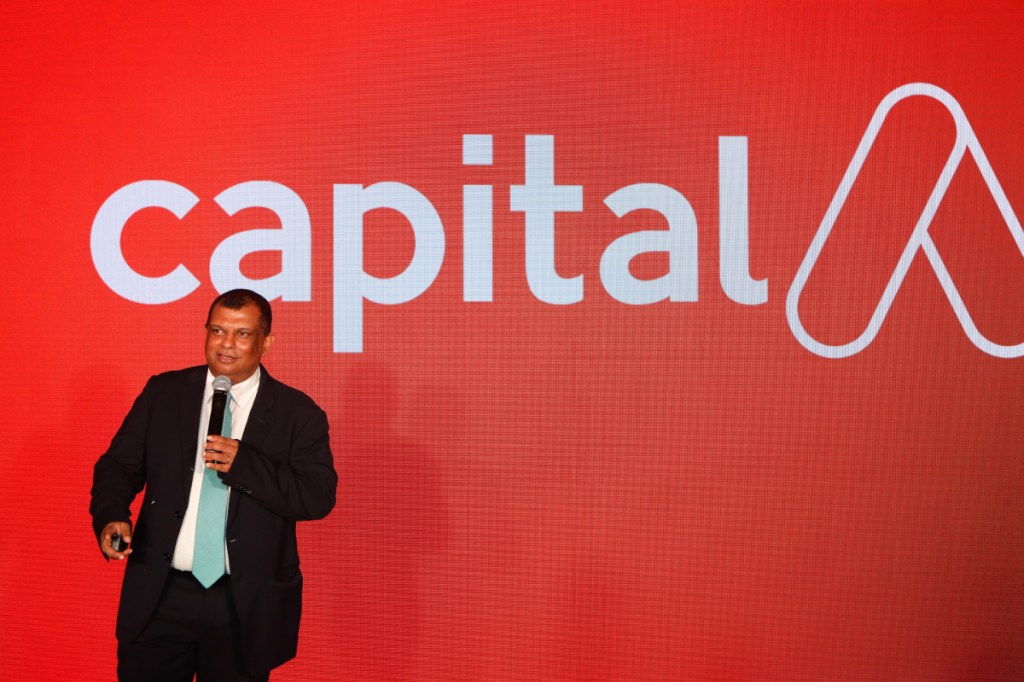
Capital A is shifting its focus beyond aviation, aiming to build a stronger, more diverse revenue stream. This would also help the company rely less on the volatile aviation sector.
With this campaign Malaysia is diving into a competitive Southeast Asian market dominated by hits like Thailand and Vietnam. The challenge? Standing out in a crowd of fan favorites.
While Thailand explores new tourism markets, it's keeping a strong focus on its Southeast Asian neighbors — welcoming tourists not only by air but by road, too. This cross-border tourism promotion between Thailand and Malaysia reflects a larger ASEAN vision of seamless regional travel.
IndiGo's codeshare agreement with Malaysia Airlines reflects Indian airlines' efforts to grow their global network. The move is essential as they face strong competition from foreign carriers.
Asia's largest Hard Rock Hotel will open in 2027 at Genting Highlands' King's Park, featuring 1,001 rooms and various amenities as part of a larger entertainment and business district project.
Indian travelers' growing demand for nonstop flights is a big win for local airlines, but they’ve got a tough road ahead. Middle Eastern and European carriers aren’t backing down without a fight.