American Airlines CEO Doug Parker is playing the long game. Surprise pay hikes for pilots and flight attendants will cost roughly $350 million in 2018 and 2019. But if airlines truly want to avoid more customer service-related dramas, one way to get there is to adequately compensate your workforce.
With the TSA caught up in a federal hiring freeze, we could see a return to last summer's security line debacle for flyers. Not to mention the potential impact of airports overwhelmed by hundreds or thousands of protestors.
Compared to previous years we've done this survey, there's been an improvement. But really: a third of Americans say they didn't get a break in 2016, and that's not good.
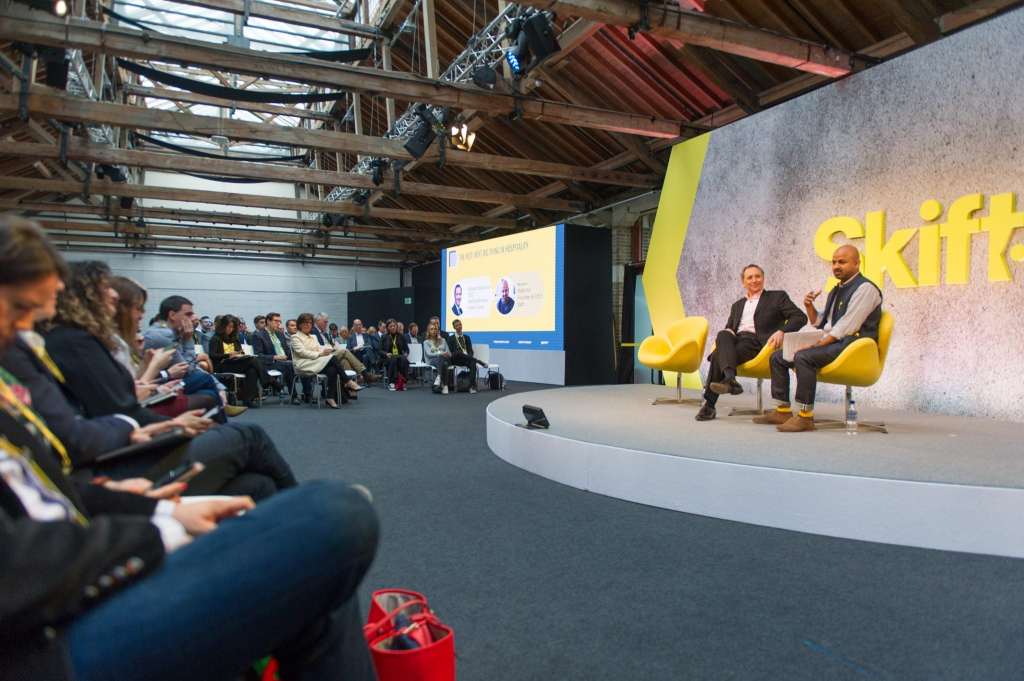
Both CEOs made the case for their respective causes, which would ultimately benefit not only their respective businesses and customers, but the travel industry a whole.
As much as we wish 2016 was a thing of the past, we took a look at the U.S. travel jobs growth for last year and found that while it wasn't all bad news -- and many jobs were added -- that growth wasn't as robust as the previous year because of global events and a litany of other factors.
Give credit to United CEO Oscar Munoz for reaching new labor deals with many of United's employee groups. But buying labor peace is expensive. And now United's new executive team needs to come up with some creative ways to offset the increased costs.
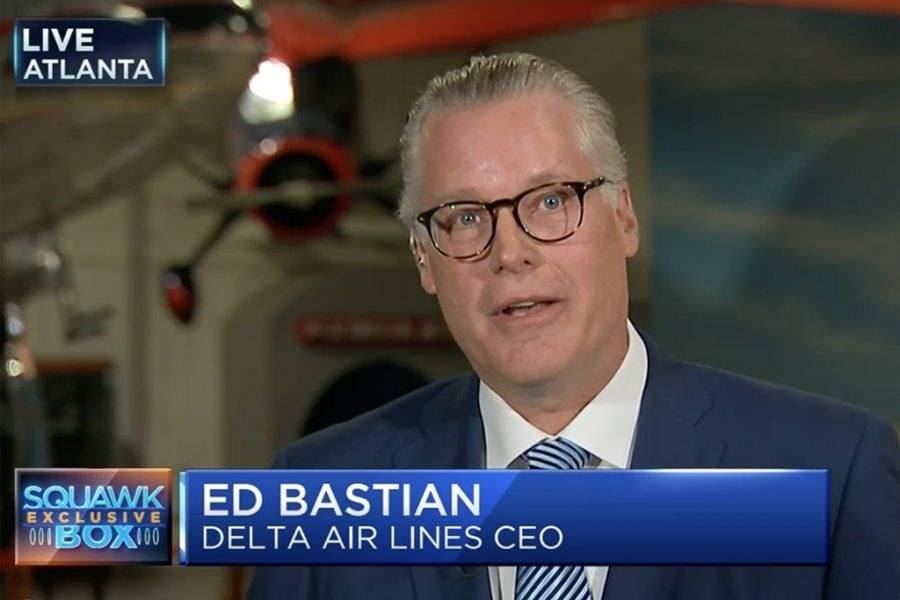
Delta's CEO appears confident following third quarter earnings that were better than analysts predicted, and he maintains that Richard Anderson's departure was part of the succession plan all along.