We all know Airbnb will go public someday — it's just a question of when. When will it finally be ready — and what does the company need to do before it does?
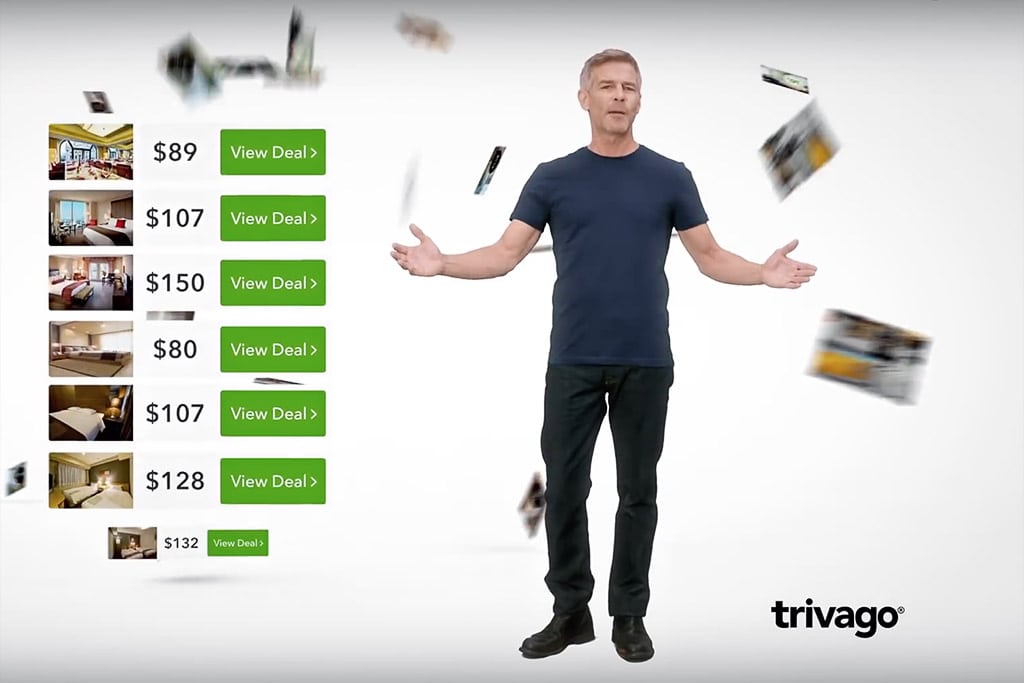
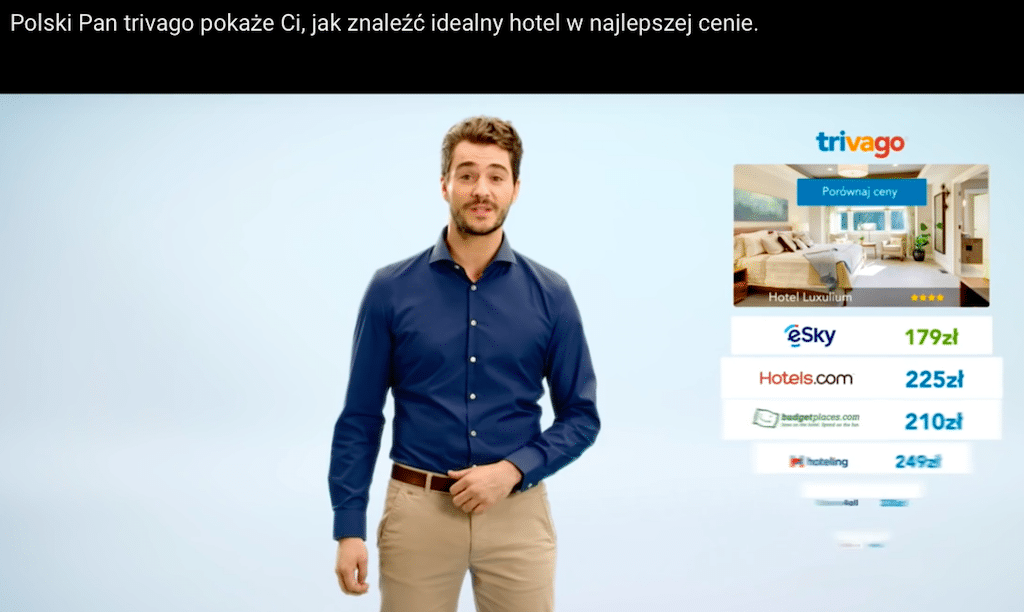
Rectifying the difficulties in shopping for hotels online is a tremendously complex problem given travelers' fickle nature -- a business trip today, a romantic escapade tomorrow -- and varying quality levels from property to property even within a given brand. Trivago at least recognizes what one of the main problems is in matching a traveler's hotel preferences with the right hotel and hopes to address it with a heftier bank account after conducting its IPO.
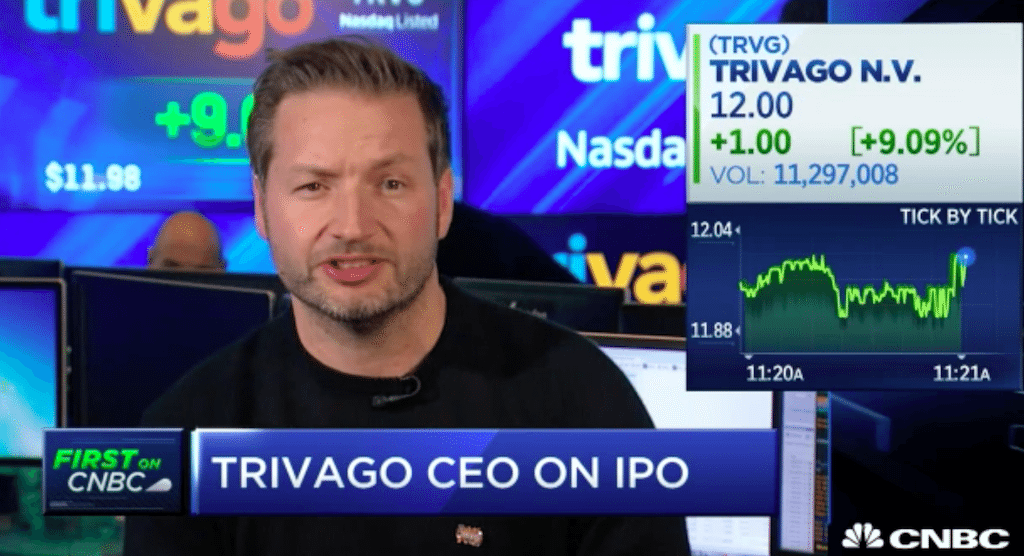
Overall, the initial day of trading amounted to a modest success for Trivago. Its founders made a bundle, it generated a couple of hundred million dollars for expansion, and its valuation crossed the $4 billion threshold -- even though it had hoped for much more and was undoubtably disappointed about the manner in which it debuted. This is a long game; verdicts now are meaningless.
Trivago is saturating certain markets with TV advertising. Google Trends data suggest this may not be as effective as the company wants investors to surmise.
There's little question that Trivago is going to get very big in coming years. Whether it can turn on a profitability gene, and whether its stock price tanks or zooms after it goes public, will be up to the market to decide.
When you think of all the online travel companies constrained by a lack of marketing resources wipe Trivago out of your mind. The Germany-based hotel metasearch site spends a whopping 88 percent of its revenue on advertising. And, if it can pull off a successful initial public offering then Trivago will resupply its advertising war chest. The metasearch rich are getting richer.
Vacation rentals and guest-booking fees aren't particularly sexy or headline-grabbing but 11-year-old HomeAway could have a far-reaching impact on parent Expedia's profit numbers. Trivago is a very nice plaything, too.
Trivago would likely be a hot IPO given its hyper growth and the potential further expansion of online travel around the world. However, investors will question whether the huge amount of money Trivago pours into sales and marketing is an overreach.
If Expedia is successful in turning its Trivago hotel-metasearch unit into a public company in 2016, it would be the second time Expedia has monetized an asset in such a way in five years. Expedia shareholders made a ton of money when Expedia spun out TripAdvisor in 2011.