Understanding the true value of loyalty in today’s hospitality landscape How smaller brands and hotel groups can ramp up sales, marketing, and distribution to compete with larger chains How joining…
Starwood Capital has bet on two trends with SH Hotels. It seems likely that the rich will get richer, boosting demand for luxury hotels. It also seems likely climate change will worsen, increasing the demand for sustainability.
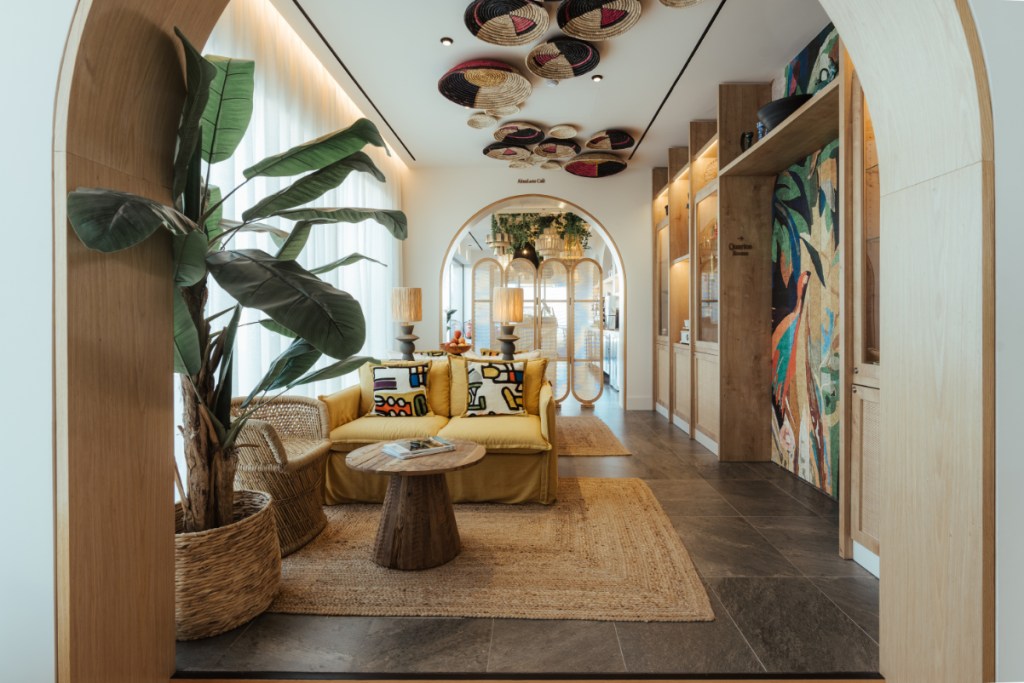
The boutique brand AlmaLusa is betting that more tourists want to stay in places that deeply reflect Portuguese culture. It's testing whether luxury travelers care about authenticity rather than just location and amenities when picking hotels.
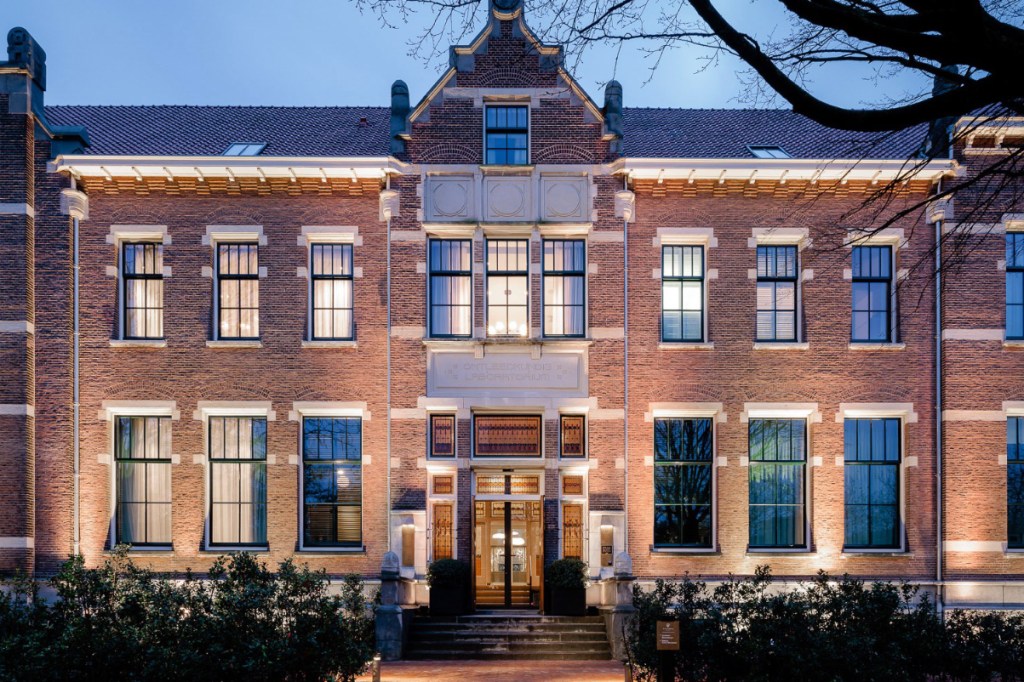
It's no small feat for Loes Dingemans to grow a boutique hotel chain to six properties during a pandemic. But she may face high barriers to expanding the Pillows brand across Europe.
Sage Hospitality is going it alone as it bets on lifestyle independent hotels while its peers sell out to bigger players or plan to go public. This strategy is either very sage or very dumb.
In this video from Skift Global Forum East 2022, we hear from Chris Hartley, CEO of Global Hotel Alliance, on how independent properties can lower costs, unlock bigger revenue opportunities, and compete in an environment where big brands and online travel agencies rule the world.
Demand for “small, mindful" travel is supposedly on the upswing, and Small Luxury Hotels of the World is looking to take advantage. But can the marketing organization move the needle in the shadow of giant hotel groups?
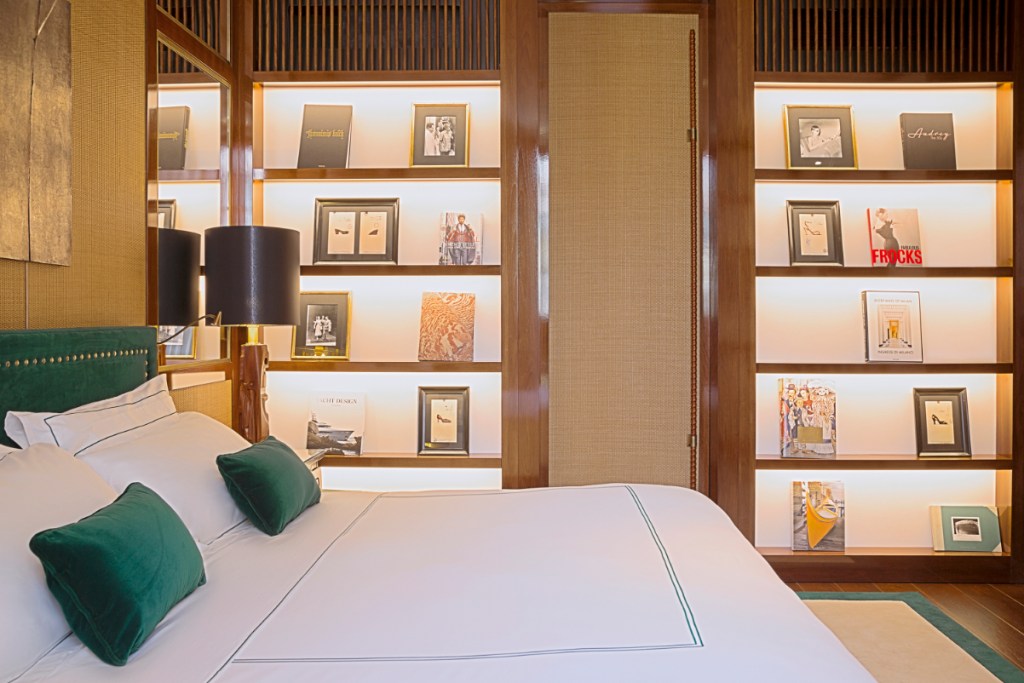
The conventional wisdom is that it's an easy win for fashion brands to create explicit brand extensions with luxury hotels. But that's wrong, according to the Ferragamo family's hotel group. The debate is fascinating.
The Jams Music Hotel in Munich spotlights how boutique hotels created by individuals and small companies can thrive in the shadow of behemoth corporations. It helps to have lots of character and a feisty soul.