Modern consumers will naturally move towards the ideas that best fit with the way they travel now. Hospitality brands that can keep up will reap rewards.
Hostelworld needed to automate the online booking of hostels because there just wasn't enough money in it if employees or call center agents had to handle bookings over the phone. The company gave away free software to attract owners and then came up with a business model that was midway between Expedia's prepay model and Booking.com's pay at the hotel formula.
Trivago's new shared-room search reflects the born-again trendiness of hostels -- which are no longer called youth hostels -- and apartment shares. Booking.com and Kayak already have it, and others will add it.
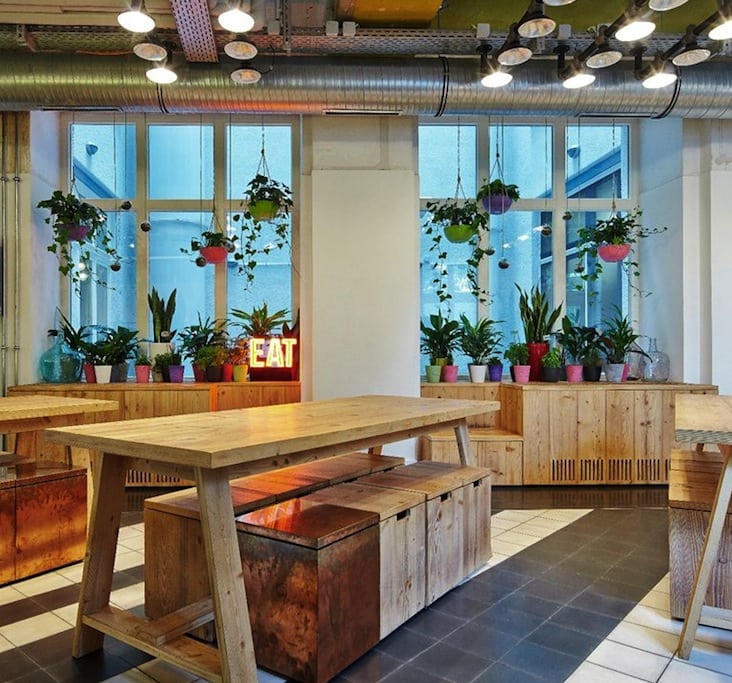
Beautiful purposeful design is becoming a necessary checkpoint for travelers of all budgets and Generator is showing how to make it possible for smaller brands looking to differentiate themselves.
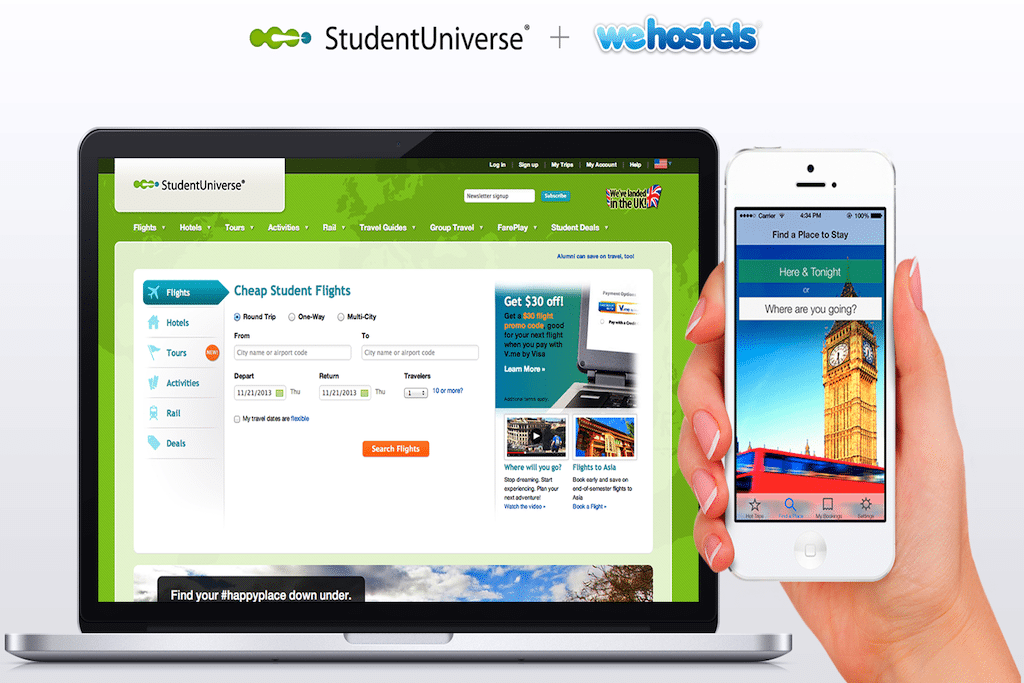
Mobile booking is the way of the future and mobile-only startups with clean designs and fast-moving teams will soon find homes at online booking behemoths that know they need to be on travelers' smartphones in order to survive moving forward.
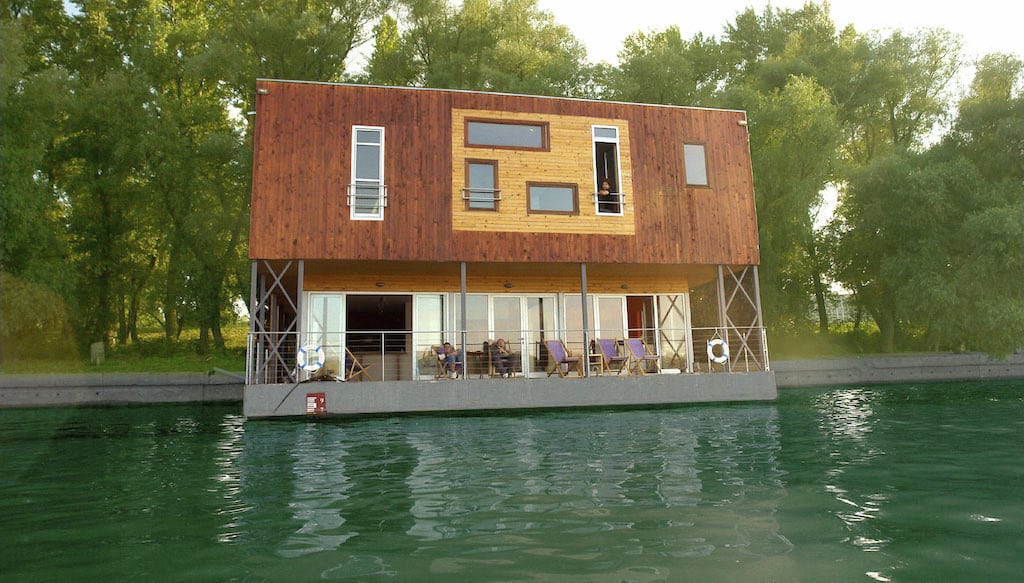
There's huge growth potential in the hybrid hostel/hotel market, luring new guest types with high-concept design and single rooms, and it's coming to America.
Lots of activity in the low end of the market, as technology systems are a relatively recent phenomena. WRI wants to be the scaled player in it and will continue to buy. Next it will likely look at mobile plays.
Techies who want to take the idea of a shared workspace one step further can apply for the $40 per night stay through Airbnb, although some hostels have become more underground to avoid trouble from landlords.