Customization, wellness, and technology are must-haves for any luxury hotel brand that wants to remain relevant — regardless of the age of their customers.
Luxury hospitality is no longer defined by marble bathrooms and turndown service. To compete and appeal to today's luxury guest, hotels have to be a lot smarter and more thoughtful than ever before.
Kenny replaces long-time Hilton executive Geraldine Calpin. The new CMO will have to enhance Hilton's direct-booking marketing efforts. And with artificial intelligence and other disruptive technologies influencing every CMO's agenda, there is also an opportunity for Kenny to leverage them to really personalize the guest experience.
The largest hotel chains and online travel agencies have deals on paid search marketing practices that effectively trim their ad spend on Google. But smaller players remain unprotected from tough marketing tactics.
Airbnb has gained in popularity on the claim that chain hotels offer a cookie-cutter experience. Hilton can fight back with technology that enables guests to personalize their experience.
Should other hotel loyalty programs follow World of Hyatt's lead in being much more revenue-based and geared toward high-end travelers? This survey's findings seem to suggest it, but we have some reservations.
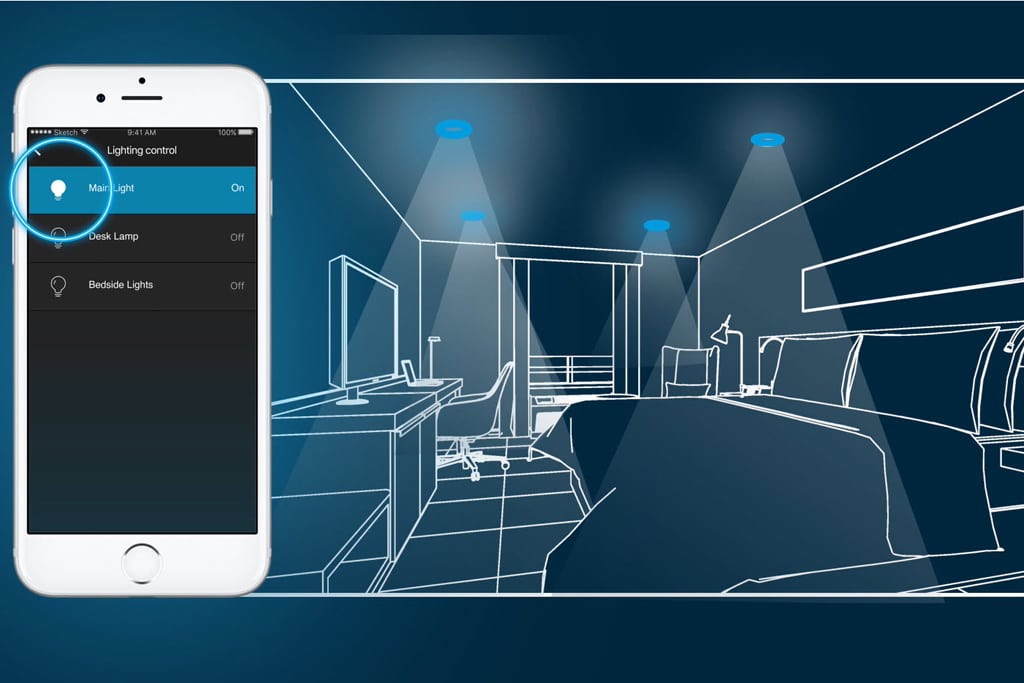
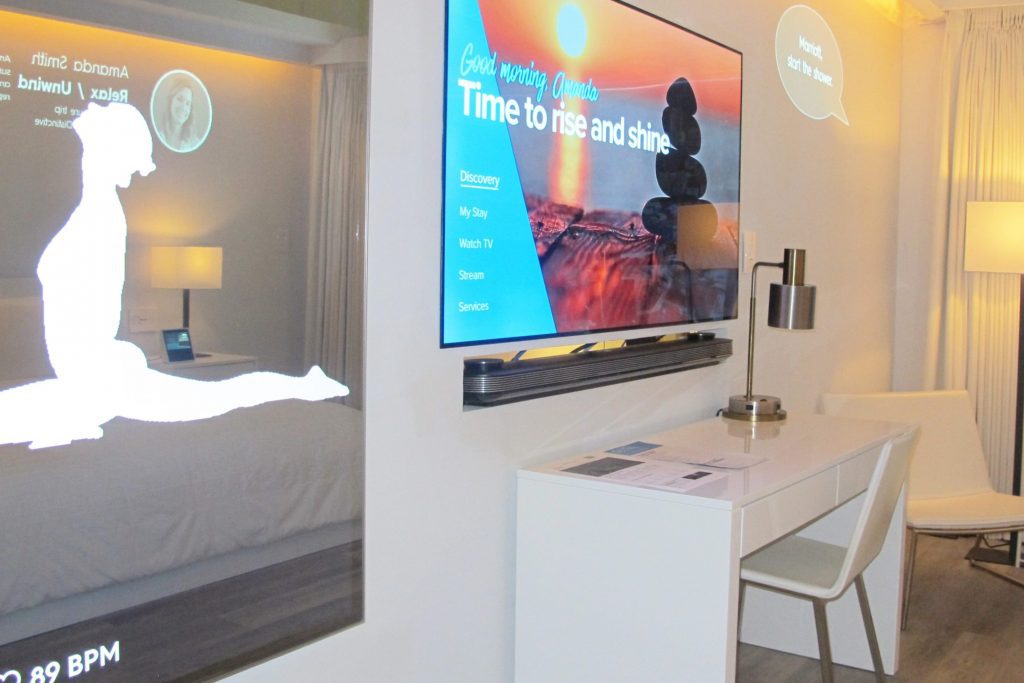
It was only a matter of time before the big brands started rolling this smart-room technology. But what will be even more interesting is seeing which brand's approach works better in a hospitality setting, and is more appealing not only to guests but to hotel owners, too.
Here's hoping that new "hostel on steroids" brand is more than just a beefed-up Tru by Hilton. And that the technology powering Hilton's Connected Room actually works.
Hilton isn't the only hotel company intent on launching new brands. But it remains to be seen whether there's a breaking point for having way too many hotel brands.