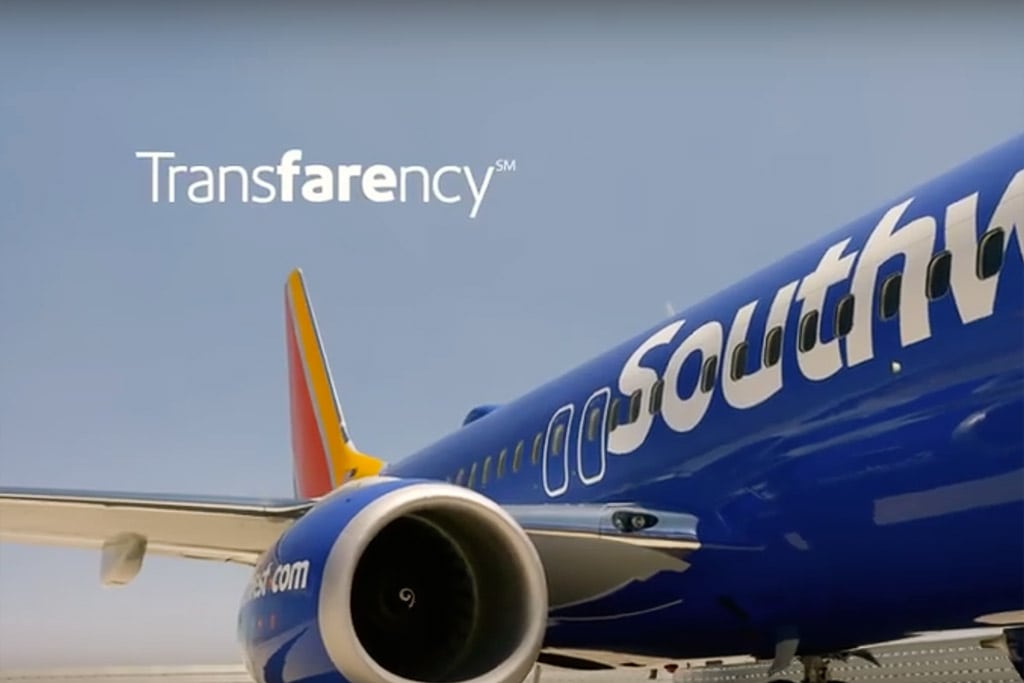
Yet again, Southwest is choosing not to copy United, American and Delta. Its independent strategy has worked well for the last five decades, so why change what works?
With basic economy soon available on American, Delta, and United, it's worth comparing the pros and cons of each fare. American's may be good for elite travelers while Delta's is best for those with baggage.
As happened with United, this story will probably go viral, and consumer groups will whine about not having access to bin space. But remember, the market has spoken: Frontier and Spirit charge for bin space, and yet passengers fly them. Why should American and United not sell similar products?
These operational guarantee programs are not as generous as airlines would like people to believe, but they're better than nothing. It's a good thing United and Delta are focusing on on-time arrivals and mishandled baggage rates.
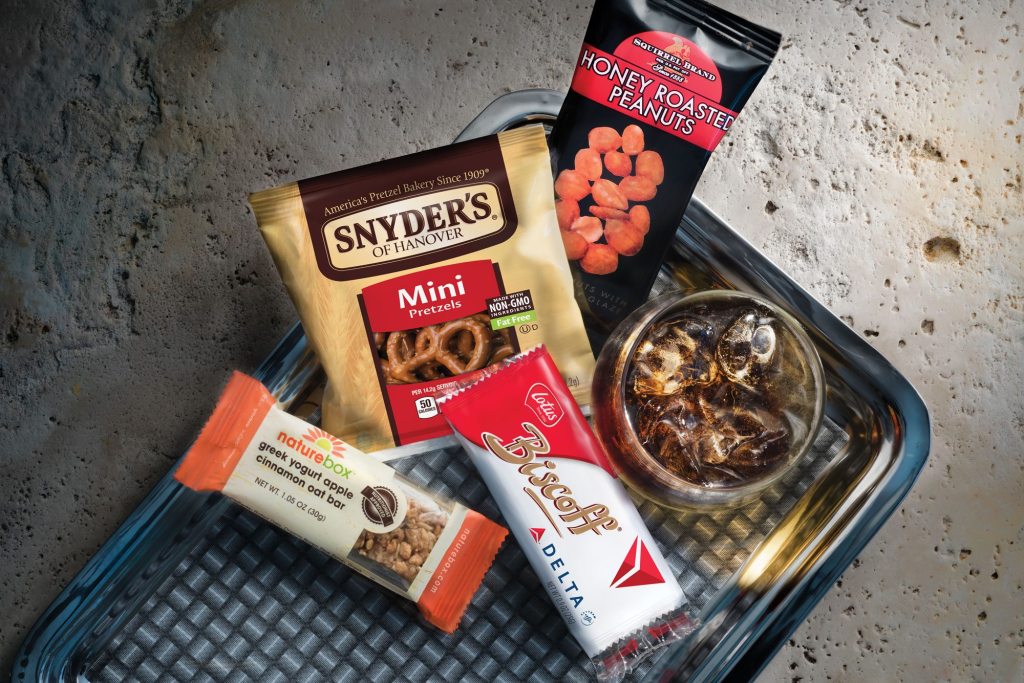
Passengers probably should not get too used to all those new amenities in coach, like free snacks or booze on long-haul flights. If the economy falters, they could disappear again.
Some airlines have done so much to pad their schedules and use other tactics to ensure they make it to gates on-time that it's difficult to know which carriers are actually the most punctual and time efficient. Passengers notice and this strategy likely helped a few airlines make these rankings.
The terms aren't as generous as Delta wanted, but the carrier still should be able to get plenty out of its partnership with Mexico's only full-service airline.
Delta and Alaska haven't been cozy for years, but many customers still have enjoyed the reciprocal frequent flyer benefits. Now that's about to end, and the airlines will be true competitors.