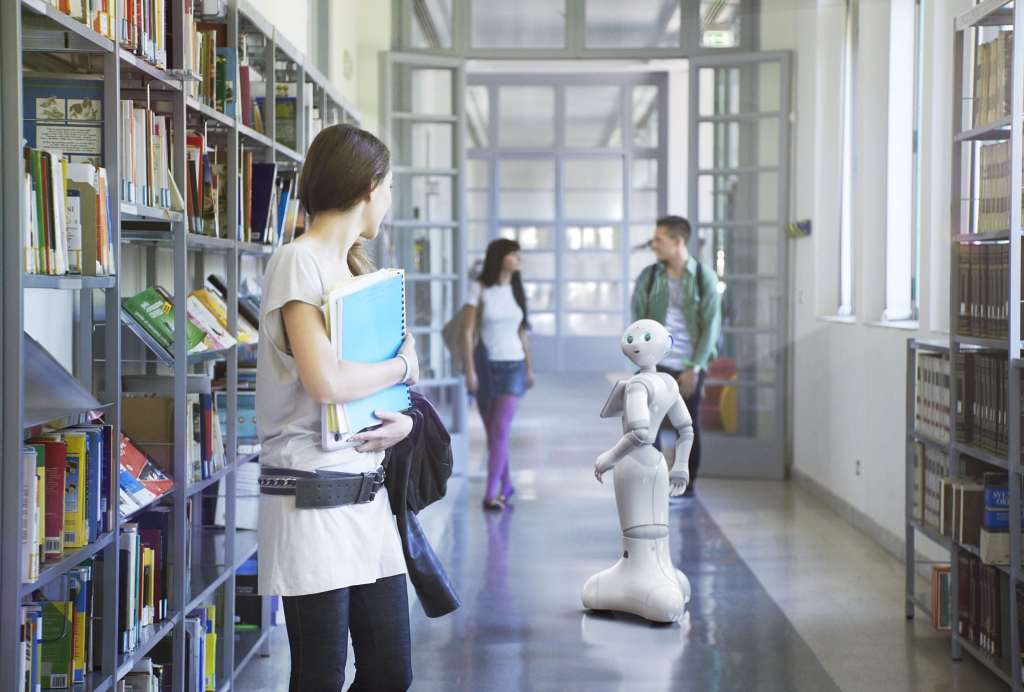
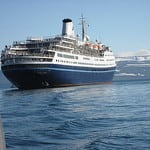
Cruise ships are full of crucial pieces of technology; Pepper the robot is not one of those. The humanoid, multilingual robot that will sail on two European brands is more of a marketing ploy than practical tool.
With norovirus outbreaks hitting the cruise industry relatively hard in the beginning of 2014, Costa Cruises, still in recovery mode from the Costa Concordia crash, didn't need a suspected measles outbreak among crew on one of its ships. Neither did the passengers who, according to reports, have so far not come down with the virus.
Carnival CEO Arnold Donald is likely asserting himself with these changes, as some of the old guard loses its grip and management gets a refresh. Although Buckelew isn't exactly an insurgent, having been at the top ranks of Princess for almost a decade.
If the cruise industry can rebound from these six horrific trips, it’s only be a matter of time before bookings bounce back as die-hard cruisers move on from the shock and first-timers choose to take a risk.
It’s been an extremely tough year for the cruise industry, but things seem to be looking up for 2013 with bookings back on the rise, ships still being built, and a new global trade association in the works.
Carnival's advantage in this market is its incredible value proposition to cruisers. Despite Costa's sinking consumers are drawn by its low, low prices and promise of a sunny escape from bad economic news at home.
Bookings in the U.S. were unscathed by the sinking and continue to grow in Asia, so the dip in European bookings may be as much an effect of the economy as a fear of accidents from tepid holiday-goers.
Concordia captain Schettino has become such a parody of an inept leader that it's almost too easy to laugh -- until you recall the death and destruction behind his excuses.
The law firm behind the current suit is targeting Carnival for knowingly allowing the Concordia to sail despite known problems with the ship's design and covers all passengers, not just those hurt by the accident.