Travel brands have little choice but to make a fresh start with their loyalty programs, because they can't keep on extending points and status forever.
Some travel and hospitality companies have good intentions when it comes to becoming more sustainable enterprises, but there are still some uncomfortable truths.
Corporations are going to have to get used to shareholders taking them to task about the existential challenge of climate change. In this case, the shareholders were correct — buying carbon offsets while increasing carbon emissions just won't make the cut.
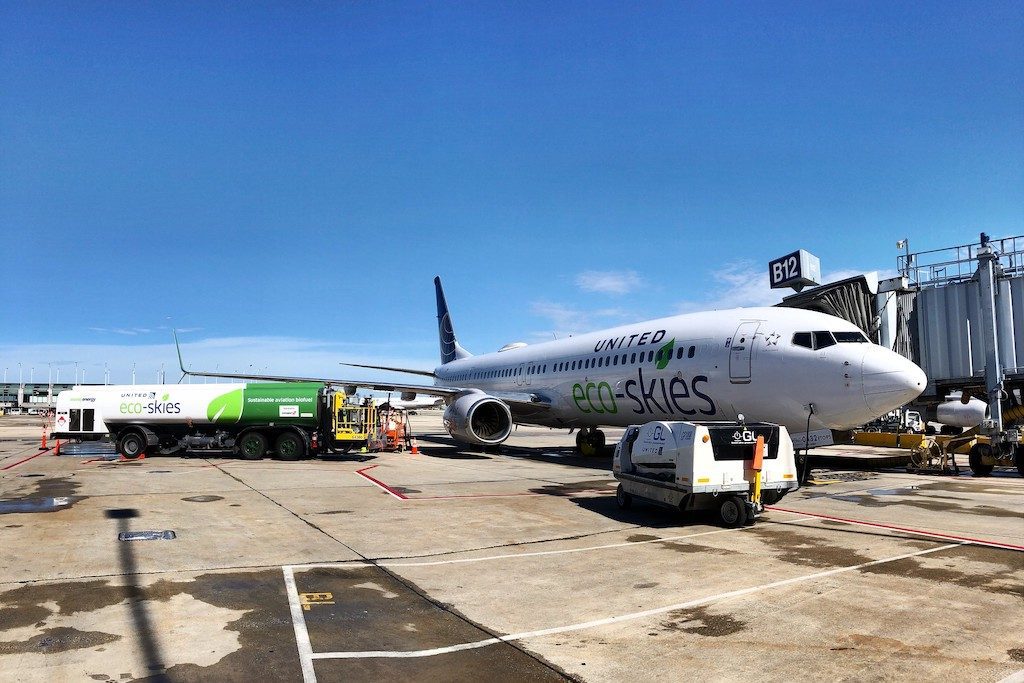
United Airlines plans to stay ahead of the pack with a new effort to go "100 percent green." But it's unclear whether the decision to invest in something called direct carbon sequestration plants is any better than the industry norm of buying offsets for the nearly billion tons of greenhouse gases planes pump into the atmosphere every year.
Airlines clearly have a lot on their plates at the moment, but putting a renewed focus on sustainability could serve as a rare bit of positivity for the industry.
With the impacts of climate change already upon us, the tourism sector will soon be forced to take aggressive actions to curb its carbon emissions. Because inaction is increasingly not an option.
Many tourism stakeholders in Asia are finally taking steps to tackle the climate change elephant in the room, but confusion over carbon offsetting is preventing the issue from being addressed swiftly and effectively. Meanwhile, the climate clock ticks on.
It's a very small sample size at a very small travel company, but this study points to a possible way forward for the travel industry. If consumers can get a better idea of the environmental impact of their vacations, they can then make more informed decisions.
With Thomas Cook out of the way, there's certainly more space in the package holiday market. People still want to buy these types of holidays, and EasyJet is a well-known brand. Can it be successful where other low-cost carriers have failed?