Hotel companies are reporting strong earnings from corporate business. This is as good a sign as any that the latest business travel boom has continued into 2018, and it will be interesting to see how this tees up corporate hotel rate increases that make business travel even more expensive for companies.
Hyatt seems to realize not only that small businesses are the most untapped portion of corporate travel, but that a solid business travel experience can lead to dividends on the leisure side as well. Whether this program catches on is another story, though.
Corporate travel continues to grow as the global economy hums along immune to the geopolitical issues cropping up around the world. How long can it last? And will increasing hotel rates eat away at the increased spending made by corporations?
The more information we get on the habits of travelers who combine business and leisure, the more obvious it becomes that the notion of the siloed, well-behaving business traveler is completely outdated.
What makes business travelers tick? A new report finds that even strict corporate travel policies aren't effective. More thought and research need to be put into consumerizing the corporate travel experience in a way that works for both companies and their employees.
Nobody wants to deal with a restrictive travel policy, and new research shows business travelers will make the choices they want regardless of what they’re told to do. Strict policies, though, can create a great awareness, but that doesn't mean they work.
Passenger drones are edging their way to becoming viable options for travelers transferring to and from airports. Airlines should explore how they can take advantage of this technology through potential upgrades and loyalty points before being left behind.
Corporate travel managers want to learn and improve what they do. It can be hard to take the risk of trying something new that doesn't work out, though, particularly when cost savings alone can seem like success.
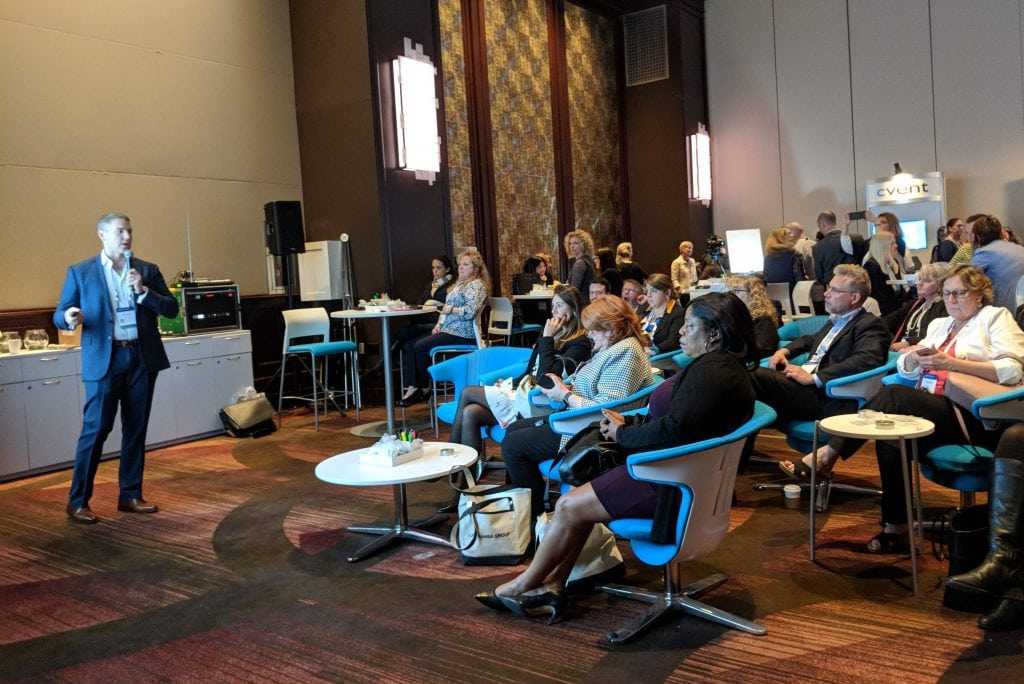
It blows my mind that corporate travel executives say the same exact thing at this conference every year. It's like Groundhog Day with more suits and fewer laughs. Everyone wants to be one step ahead, but where is the incentive to actually take that step?