Given travelers’ demand for exciting alternatives to the packed streets of tourist hotspots, India’s best kept secrets are now waiting for new stories to tell.
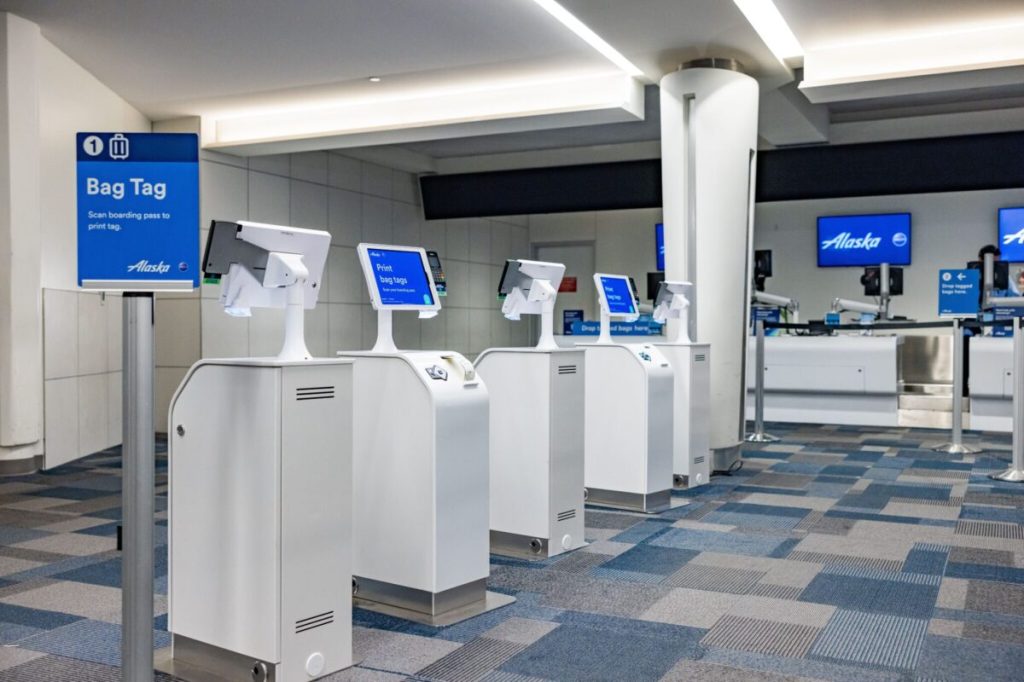
Alaska Airlines is not the biggest airline in the U.S., but it appears that it’s aiming to be one of the most modern, or at least as the customer sees it.
While some of the tech advances Skift featured over the years may not have lived up to expectations yet, others are poised to play an even bigger role in the travel industry in years to come. Check out this list.
Travel technology has been turned on its head over the past couple of years. Just about every major trend listed was caused, directly or indirectly, by issues related to the pandemic.
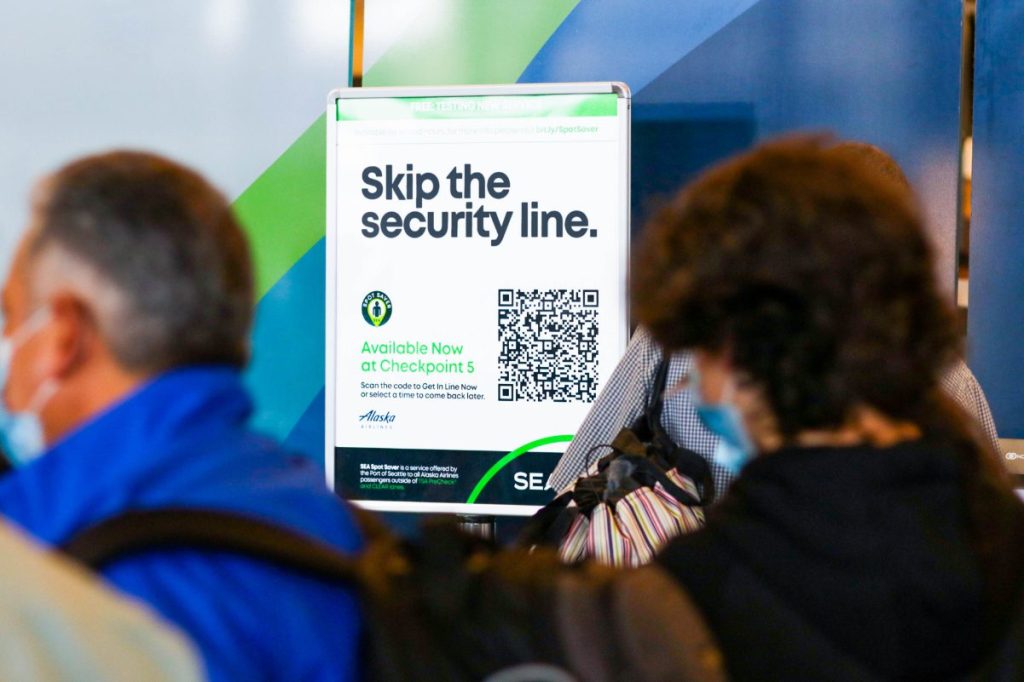
By acquiring Argentinan vendor Whyline, Clear is doubling down on technology that allows travelers to reserve a spot in line when they check in for their flight. This "virtual queueing" tech could be used outside of airports, too, such as at attraction parks, in conference venues, and on cruise ships.
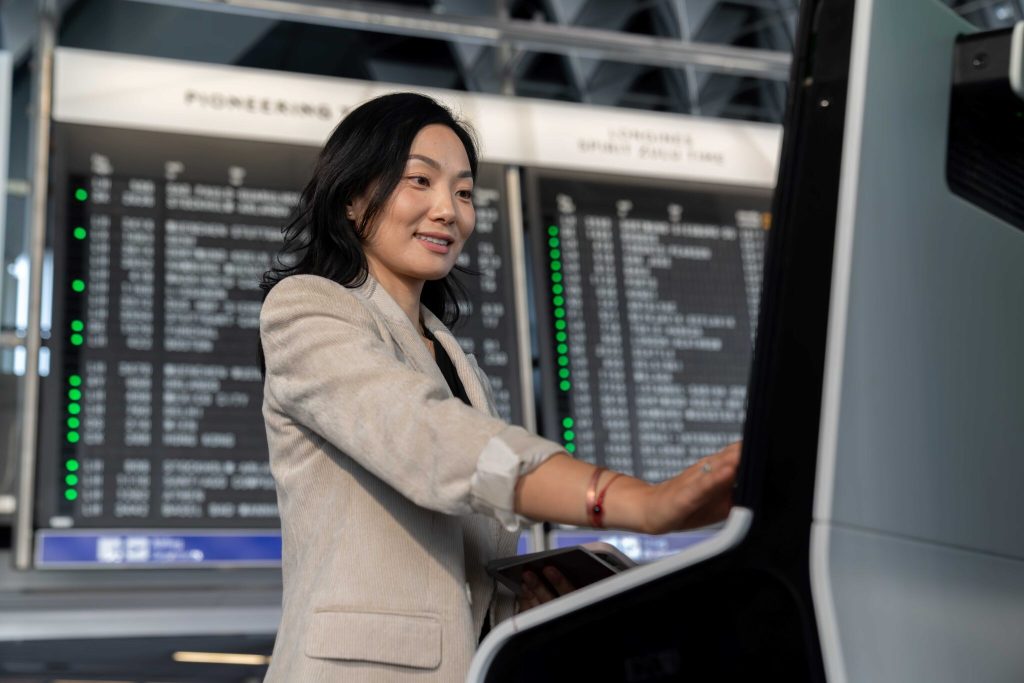
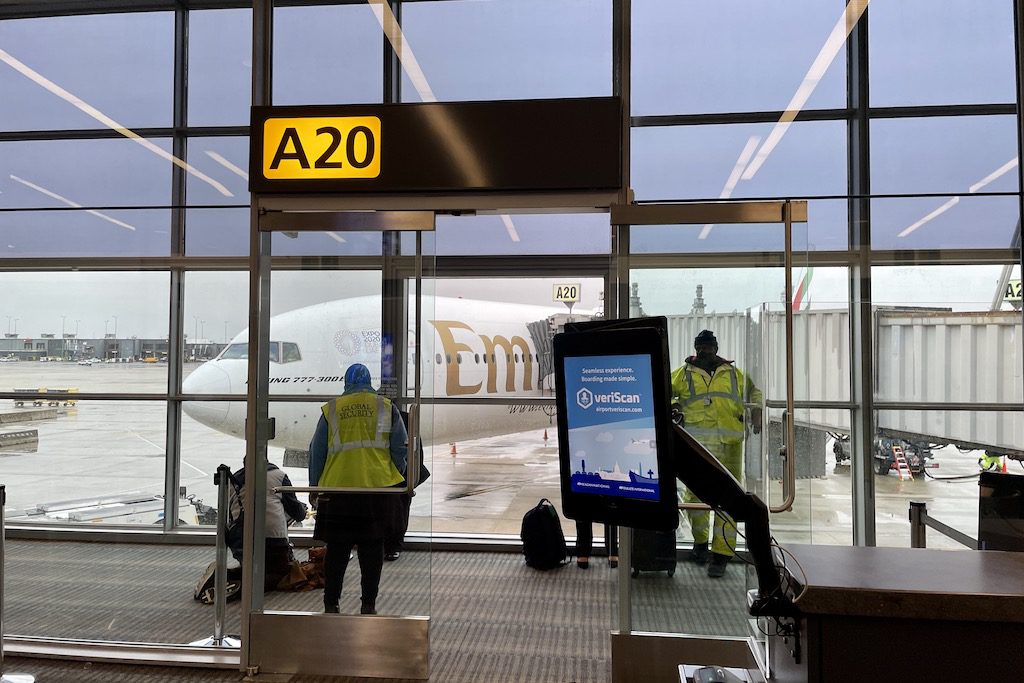
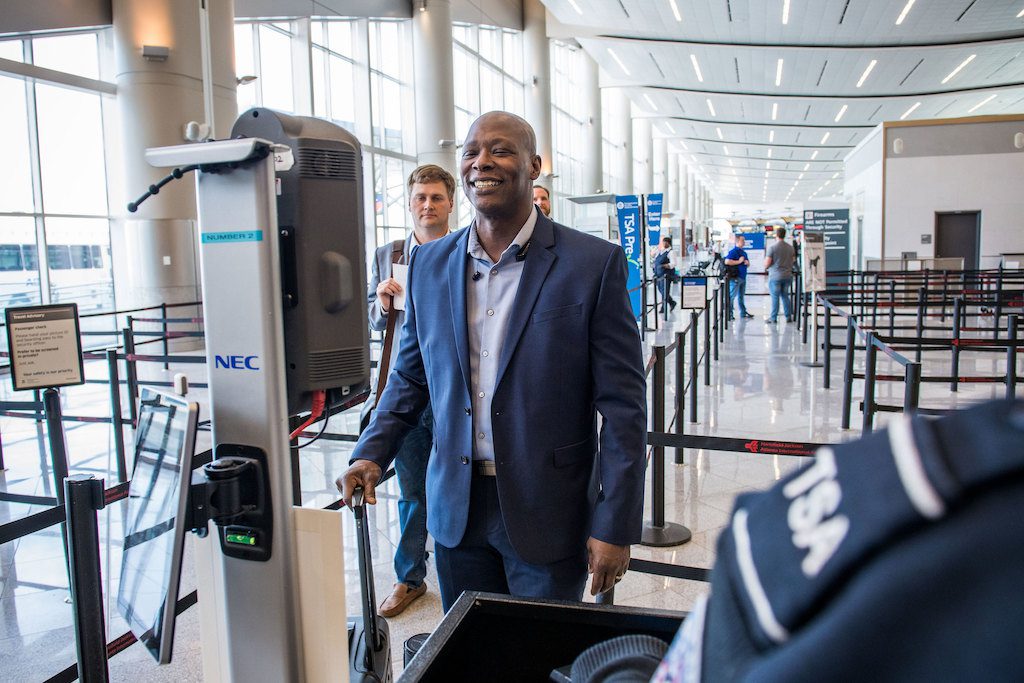
Covid has spiked interest in biometric technology to reduce touchpoints and speed travelers through airports. Travel tech firm Pangiam is betting this is only the beginning with the acquisition of the facial recognition system VeriScan from the Washington, D.C., airports operator.
Many border security agencies aren't ready to cope with a return to pre-pandemic levels of travel if they have to track additional pieces of information like traveler health. Blame the holdup on a debate about tactics and tech, not just budgetary shortfalls.
Facial recognition tech divides people. They say either that it's faster and contactless, or that it invades people's privacy. But questions about data security matter, too.