There is still so much uncertainty around the Omicron variant, but already much needed recovery in Asia Pacific is stalling as reopenings are postponed.
Oracle and Skift’s 2021 Back to Hospitality: Getting Smarter and More Profitable in a Post-Covid World report offers a playbook for the industry to come back better and stronger. In this article, we take a closer look at the report’s findings regarding the hotel environment in the Asia-Pacific region.
2021 is shaping up as a critical year for hospitality recovery and reinvention as countries around the world start to reopen to tourism. In this new report, Skift and Oracle Hospitality present the results of a 2021 global research study exploring business strategies, guest needs, and emerging technologies hotels will use to accelerate their recovery from travel downturn of 2020.
Co-living, second-tier cities and apps that create sub communities — there’s a shake-up on the horizon and hospitality companies can learn lessons from Asia.
Second waves of coronavirus will continue to dictate the staggered hotel recovery across the Asia-Pacific region. But the return of group business travel, even in a region that doesn't depend on it, will govern when pricing goes back to 2019 levels.
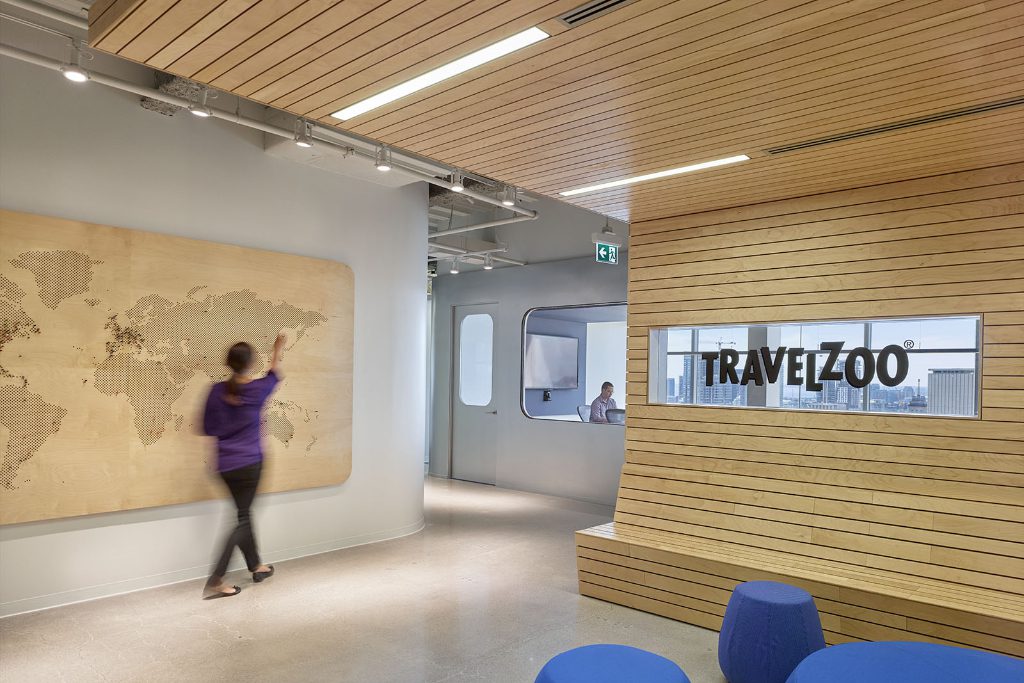
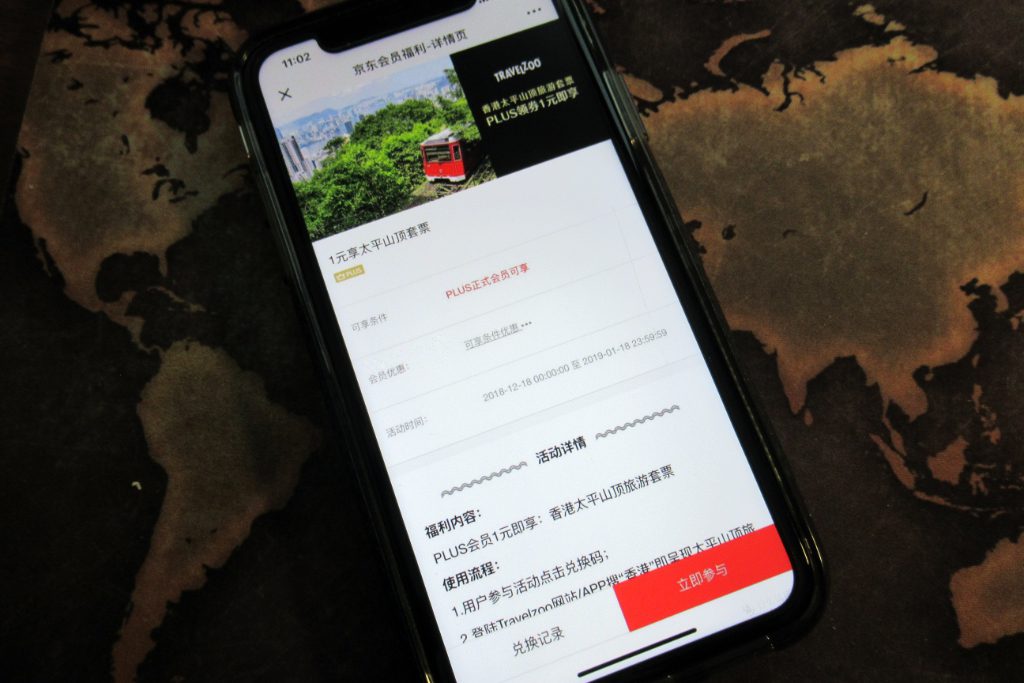
Businesses in the times of coronavirus are damned if you do, damned if you don’t. Travelzoo’s decision to exit Asia-Pacific when signs of recovery are being spotted in China is a good example of that.
Companies across APAC have embraced business travel as a way to fuel ambitious growth and generate eye-popping revenues. Now, companies are formalizing their corporate travel policies and using software solutions to better manage travel spend and drive efficiencies. With tools like Travelstop gaining market share, next year could be the tipping point for professionalized business travel booking in Asia.
In traditional business logic, the big beat the small. But in Asia-Pacific today, fast companies beat the slow ones. It's an open question whether Travelzoo can rev up its metabolism enough there to thrive.
Some of the bigger destinations on the list are obvious, but there is a lot of movement among smaller, less high-profile cities. In many ways, this movement comes down to what investments a destination makes into infrastructure and experiences.
With 500 million additional new international trips expected over the next decade, it's unlikely that the average traveler in 2029 will look like the traveler of today.