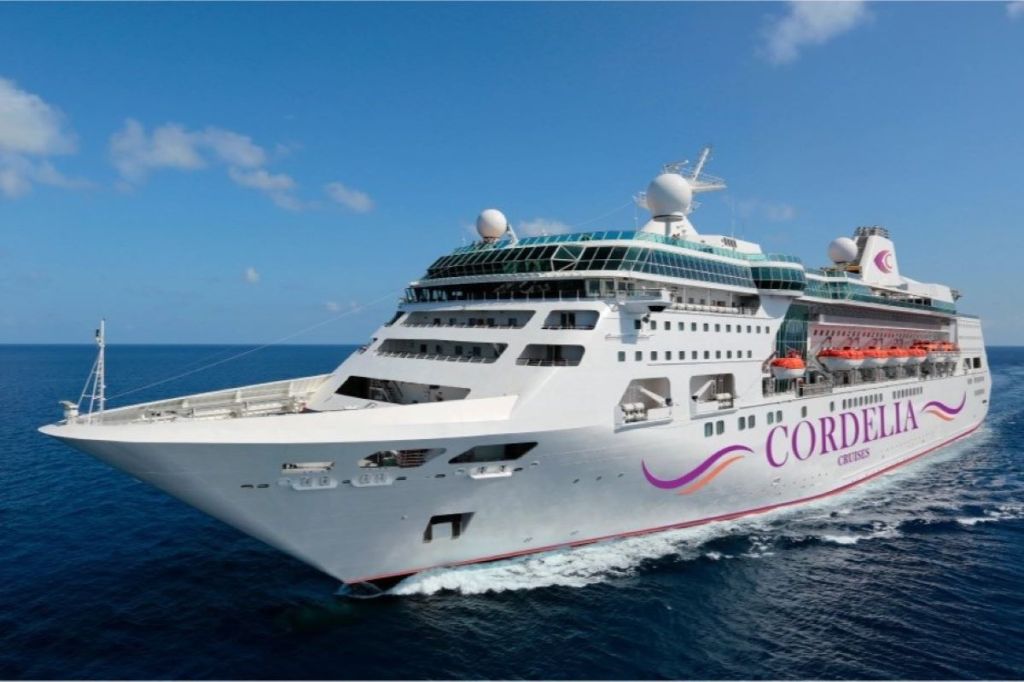
Goa has witnessed a 40% increase in cruise tourism, and a new terminal is coming soon. But there are more problems in the state that need to be solved to attract international tourists.
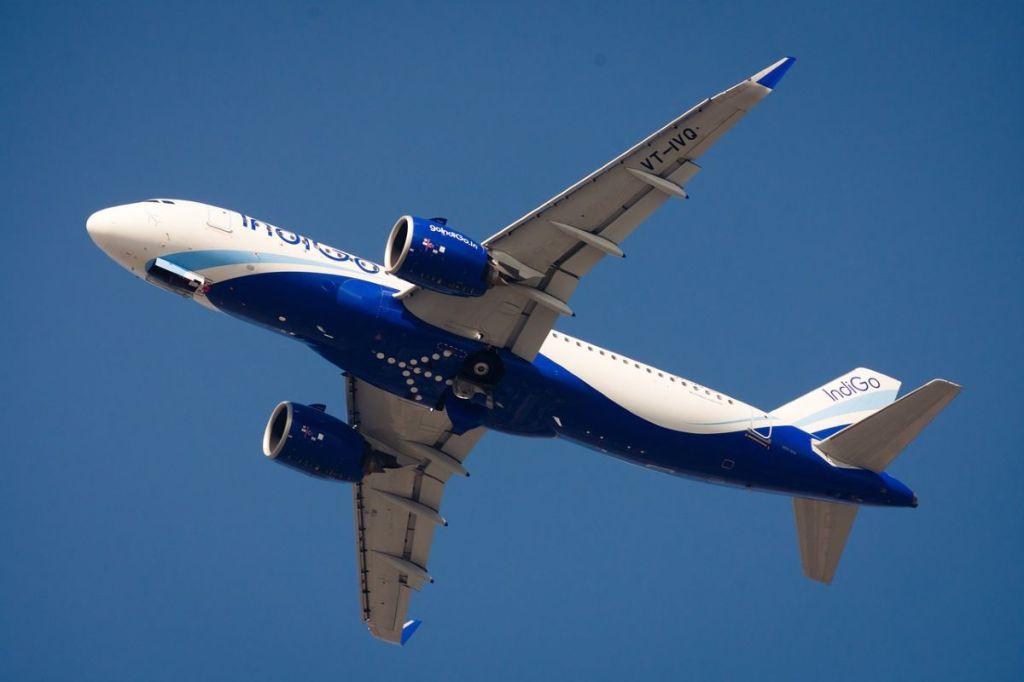
While the merger is a necessary step to consolidate Tata Group’s airline assets, Air India faces stiff competition on both the international and domestic fronts. Its ability to overhaul operations, modernize services, and win back market share will determine whether it can compete effectively against heavyweights like Emirates and the ever-dominant Indigo.
The upcoming festive season is driving a surge in demand for travel across India. Airfares remain stable due to early bookings and special discounts, but there could be a spike as travel dates near.
Indian airlines are accounting for a larger share in international traffic to and from India. However, this is likely in part due to the government's restriction on additional bilateral flying rights.
The Indian hotel industry is expected to grow over the next three years for several reasons: limited room supply, growing demand, better infrastructure. The demand-supply gap is a positive aspect, but could also cause issues if not carefully dealt with.
Skilling programs are necessary. However, training them to take up jobs in tourism cannot be the only focus: the industry also needs to figure out how to retain the talent.
The merger of Vistara and Air India will end the long process of consolidating the web of aviation entities and organizing them into one airline business. This follows a 24-year quest for Singapore Airlines and Tata to co-own Air India.
Destination weddings among Indians is on a rise, driven by high-profile celebrations. However, the preference remains largely for international locations. Can marketing campaigns get people to 'Wed in India'?
India's hotel industry has gaps and enough potential to warrant significant growth over the next few years. But whether the players will be able to capitalize is a different question altogether.