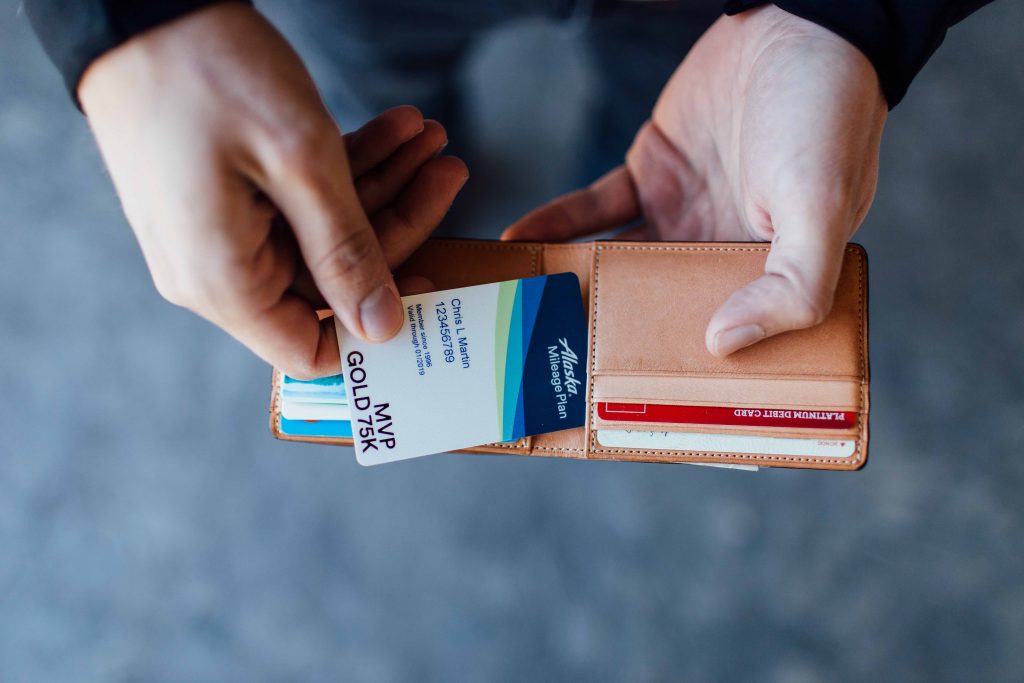
Like most airlines, Air Canada knows a lot about its customers. But in 2020, once it launches a new loyalty program, it will have more flexibility to slice and dice data to deliver personal offers to passengers. Let's hope customers don't find it creepy.
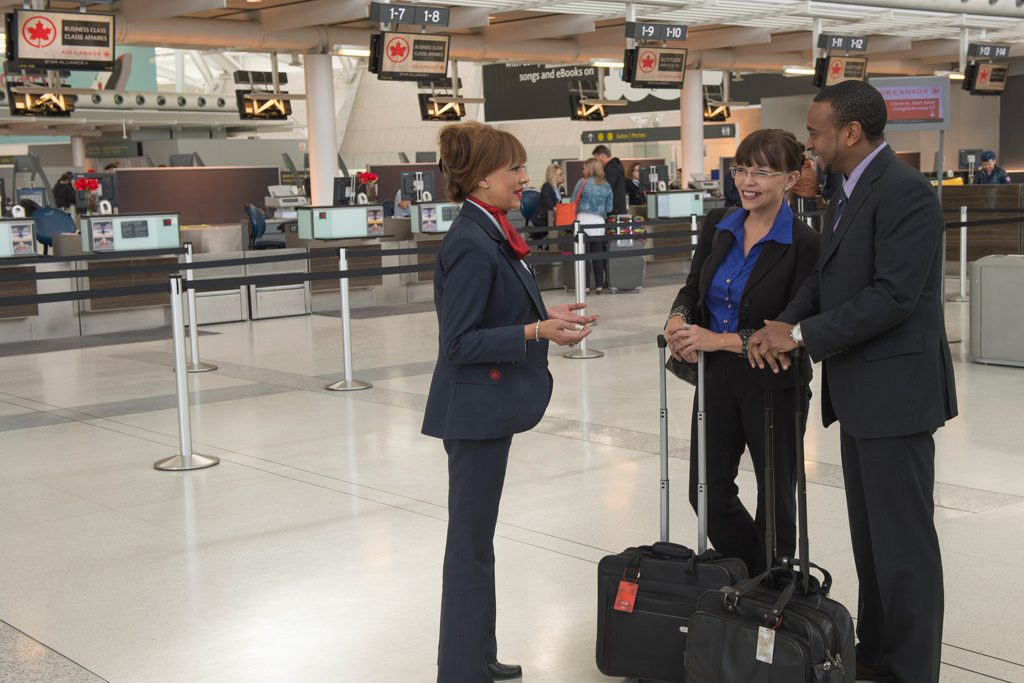
This is a good development for passengers, who must wonder why they still have to check in for flights in 2017. But for many airlines, check-in still serves a valuable purpose.
With this deal, the Madrid-based technology giant has scored another win in North America, after having finished moving Southwest Airlines to Amadeus' reservations platform earlier this year.
It was a big deal when Air Canada spun off its frequent flyer program. And it was probably a good idea for the time because Air Canada needed the cash. But times are different now, and Air Canada is in stronger shape. It makes sense it wants to control its own program.
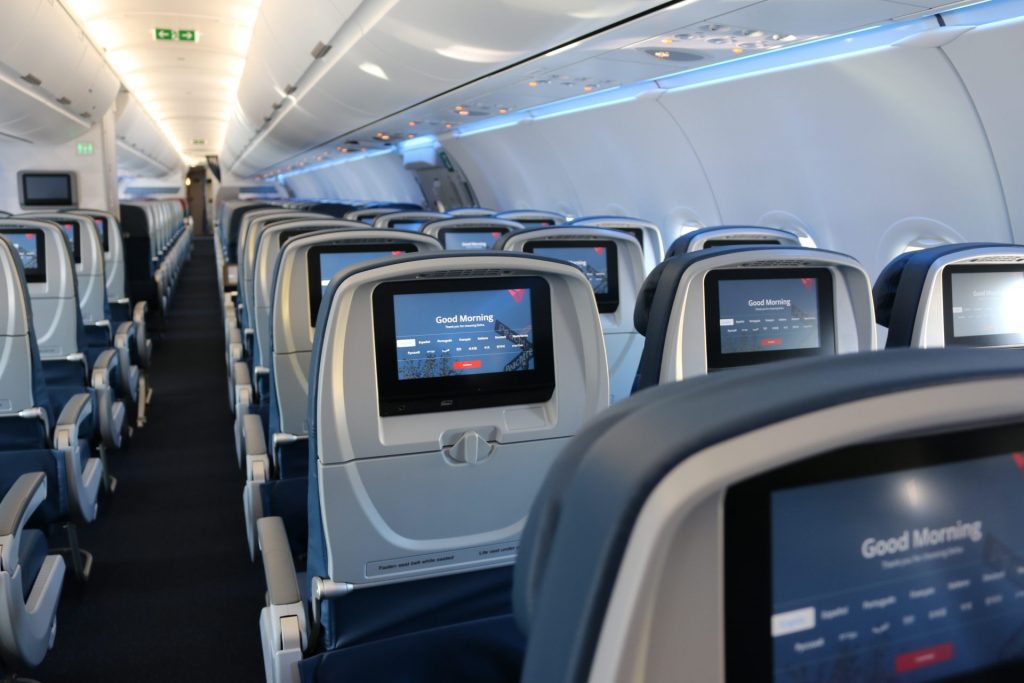
A surprising number of airlines held out against adding premium economy as long as they could. But now most big airlines have added it or plan to. That's good news for passengers who want a little bit more space at a reasonable price.
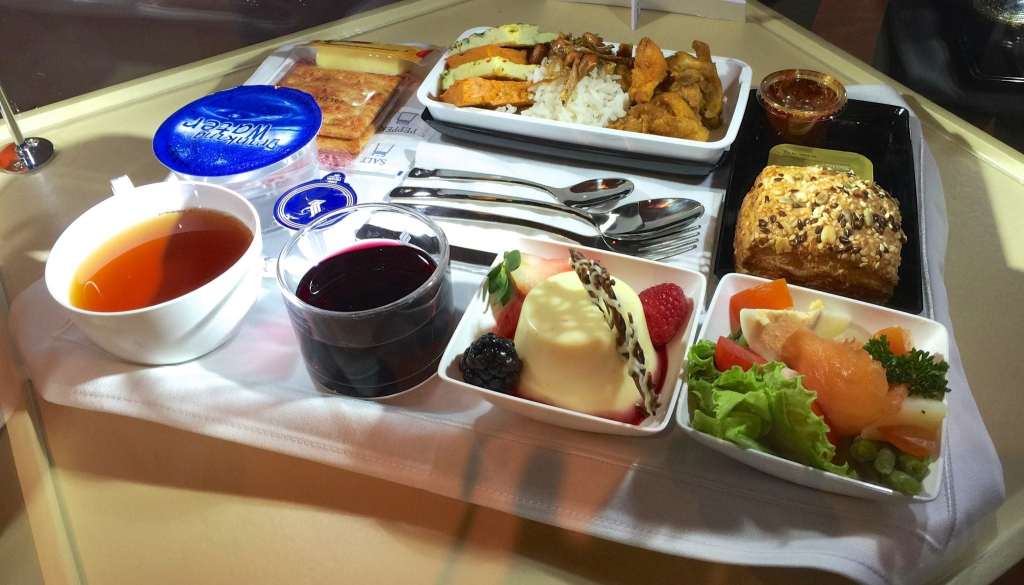
It's little comfort to the average coach customer, but airlines are spending big money to improve food for higher-value customers. Just remember, it's still airline food, reheated in a tiny galley, so it may never be award-winning cuisine.
Air Canada and United still dominate the majority of U.S.-Canada routes, so it's hard to see how anti-trust immunity helps consumers. But it certainly would make the airlines more formidable competitors.
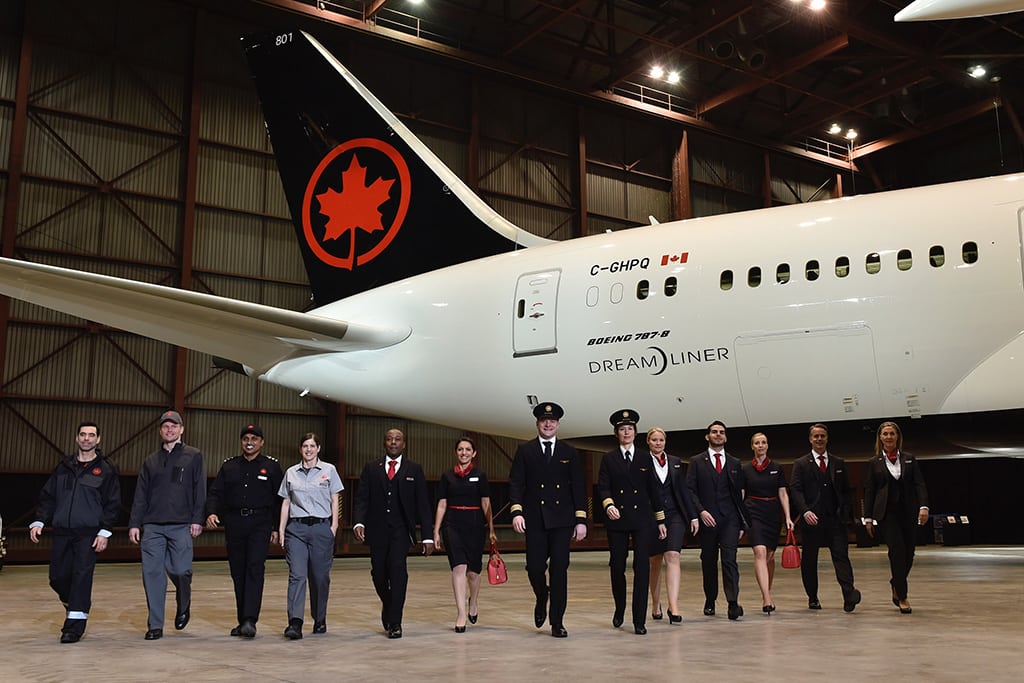
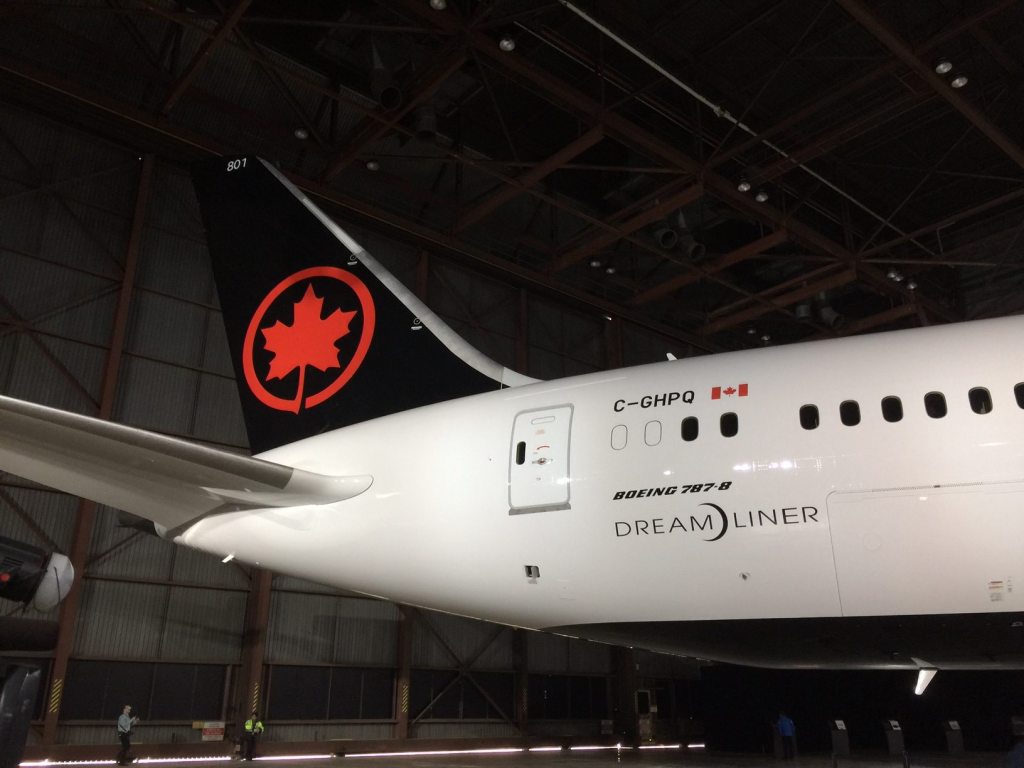
Since 2009, Air Canada has reinvented itself, taking delivery of new Boeing 787s, improving passenger cabins, and adding international routes to Europe, Asia and the Middle East. The airline's management, including Benjamin Smith, deserves credit for making Air Canada relevant again.