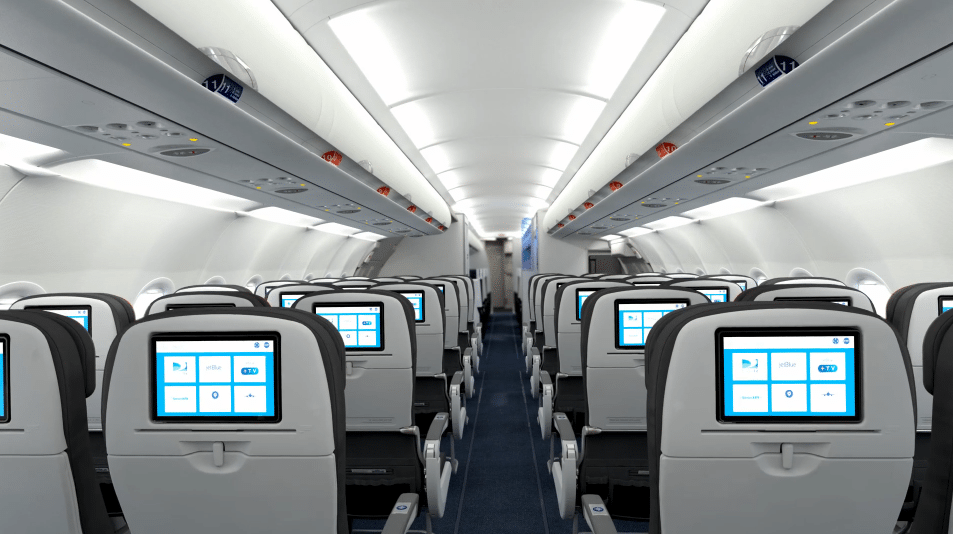
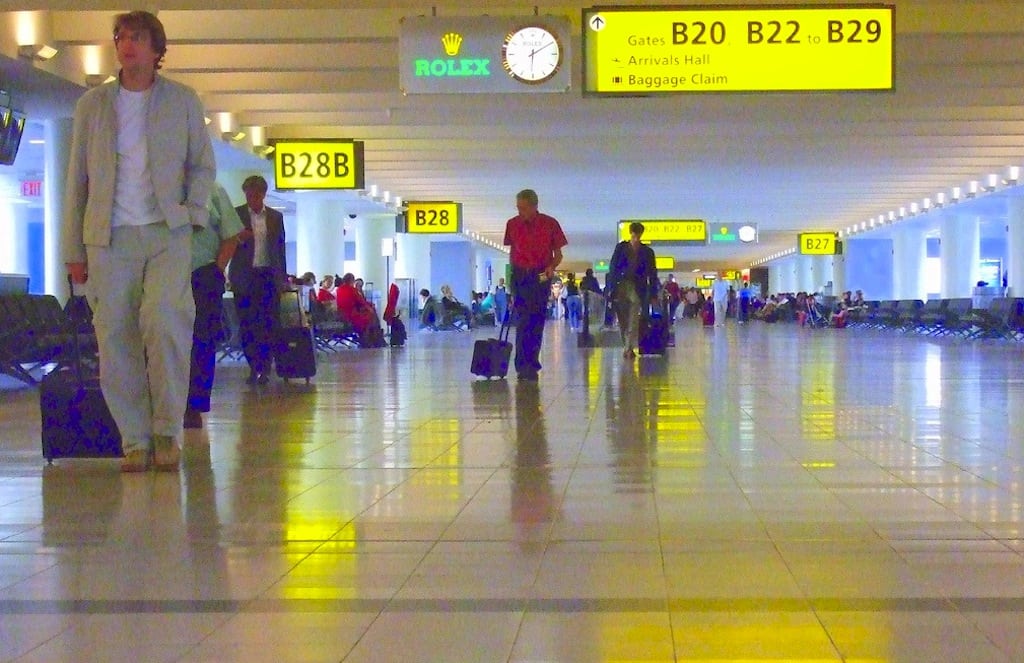
We'll let "experts" critique it, we think it looks cool and spacious, and will surely make a dent in the very competitive coast-to-coast routes in U.S.
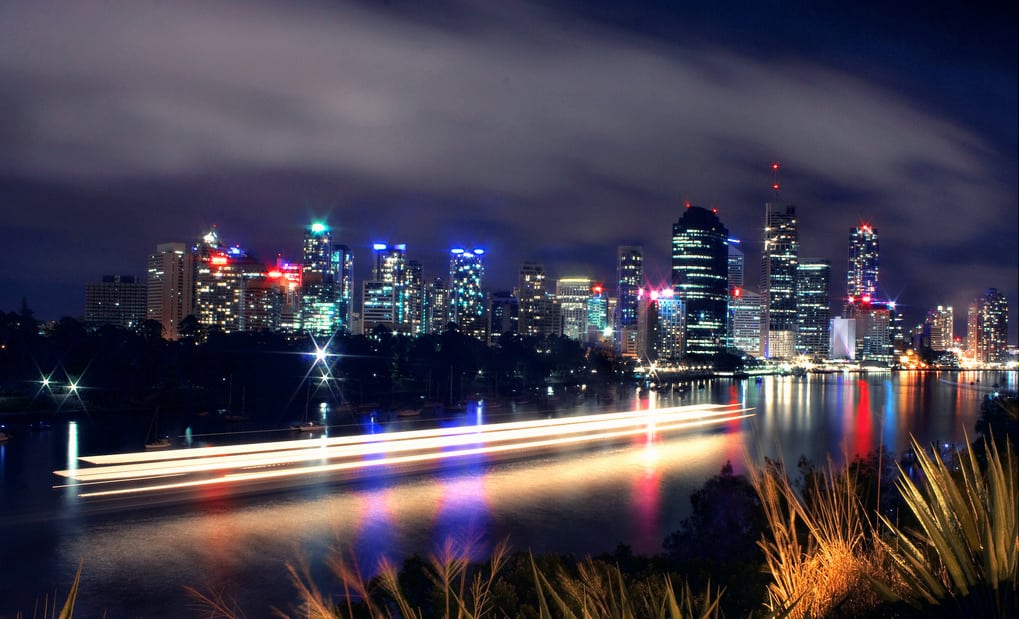
U.S. cities, barring NYC, are still not the most expensive large cities to do business in. Thanks to its mining boom and rising currency value, Australia clearly has a problem on its hands.
Barger is seeking to maintain JetBlue's middle ground between ultra low cost and network carriers, but investors' new love affair with Spirit Airlines and others of its type will keep the pressure on JetBlue management.
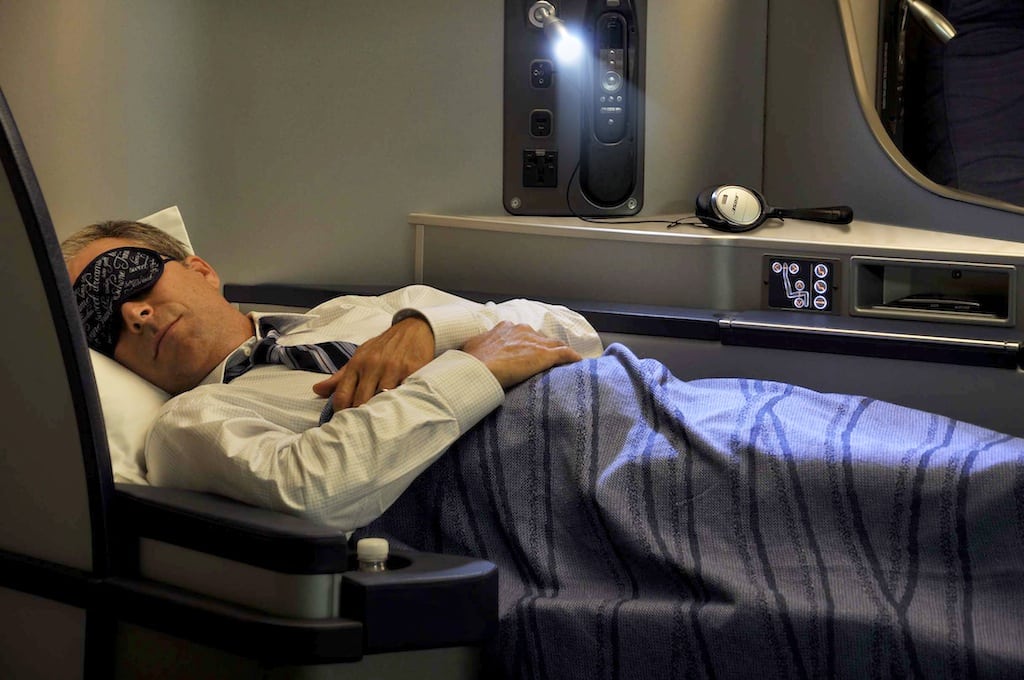
Anyone who boards a commercial airline sees that there are privileged and not-so privileged passengers in the eyes of the airline. United Mileage Plus reinforces and widens the great divide by providing more bang per mile for elite flyers on lucrative intercontinental routes.
Admittedly, a one vendor list, but enough data to draw trendlines. And London is still the most global city for business, and expensive too. Maybe it really should solve that Heathrow problem, fast...
American companies are now traveling to Europe in numbers approaching pre-4Q 2008 levels, but the focus is more on value, emerging destinations, and the next-generation business traveler.
Southwest has no imminent change in policy in the works regarding fees, but that doesn't mean that it considers having no bag fees its religion. The airline is willing to mull policy changes if it determines that a big switch would be in its interests.
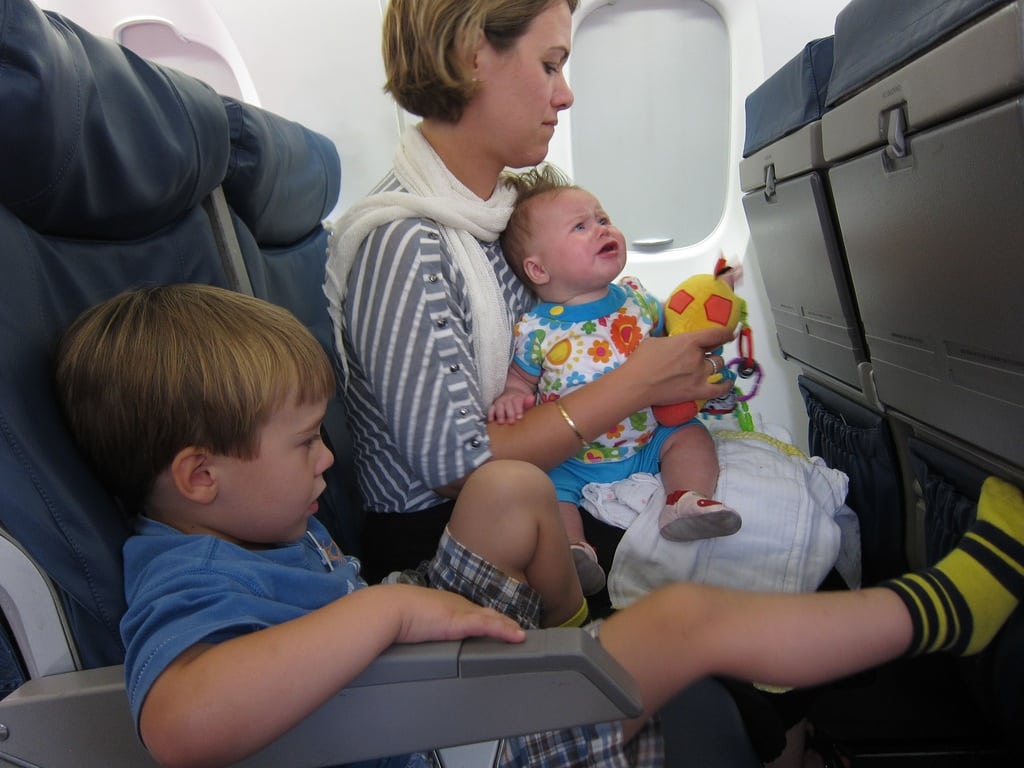
With U.S. airlines selling aisle, window and exit row seats for an extra fee throughout the aircraft, child-free zones could be a logistical nightmare even if it were a good idea.
Delta is trying to woo business travelers on lucrative long-haul flights from JFK Terminal 4, but the airline likely won't be publicizing the fact that arriving passengers face the longest peak-wait times of any airport in the country in trying to get through Customs.