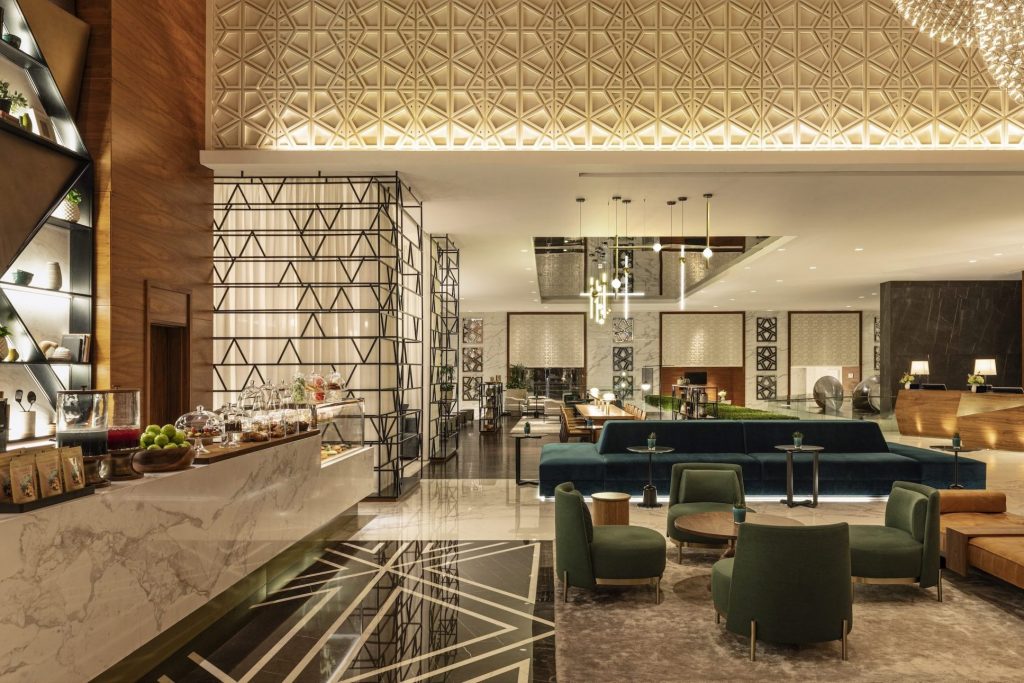
Sheraton's long-awaited brand update is finally here, but you're going to be waiting several years for the new look to roll out fully across its global footprint.
Wyndham's deal to bring in seven boutique hotels to its portfolio begs the question: Is there a hotel company that isn't trying to tap into the so-called lifestyle hotel sector?
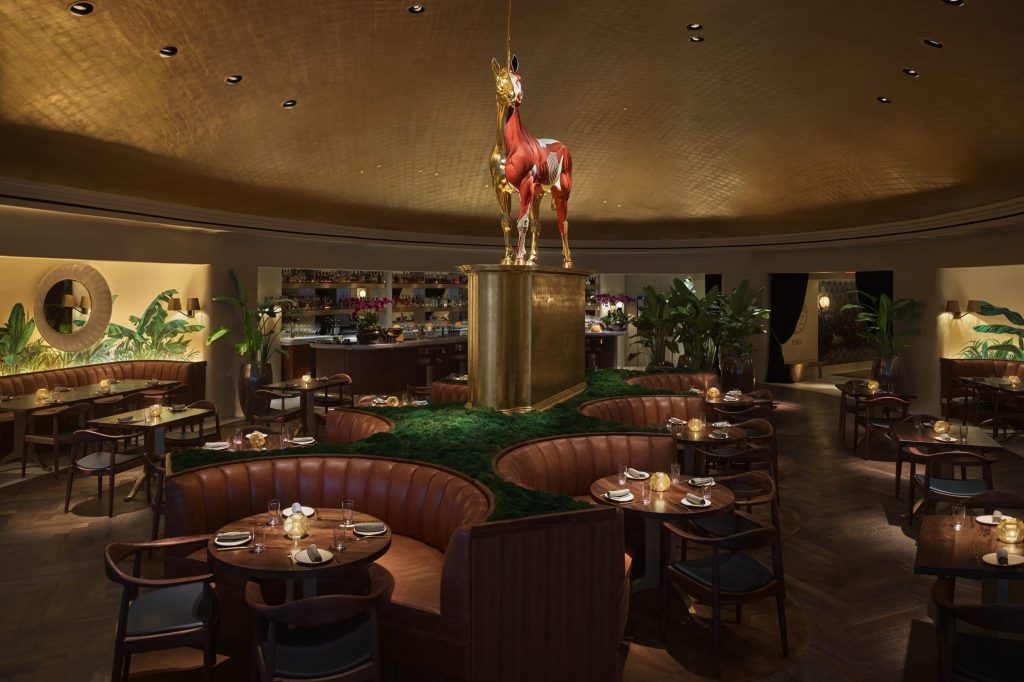
It may not be an outright acquisition, but Accor's partnership with Faena further builds on the Paris-based hotel giant's plan to be a leader in the trendy, lifestyle hotel sector coming out of the pandemic.
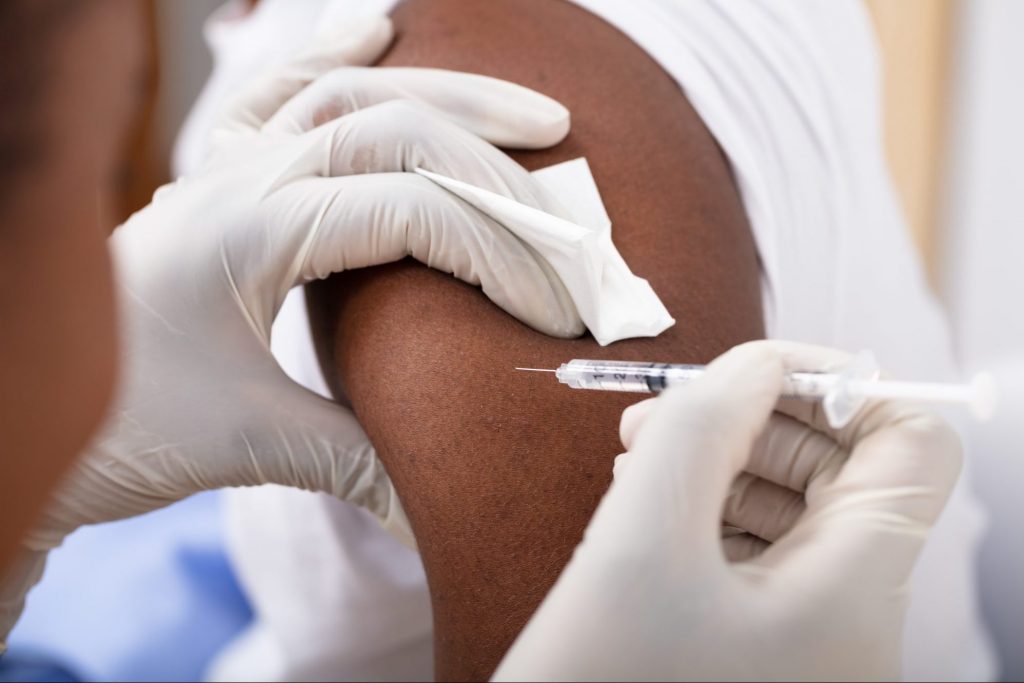
Hotel operators may not see much revenue from offering their event spaces as coronavirus vaccine sites, but this is about the long game: the easier it is to vaccinate people, the quicker a hotel industry recovery can take place.
If airlines and hotels end up cutting back too much, they would risk providing plenty of opportunities for new companies to emerge, fill gaps, and gobble up market share. But a faster recovery in corporate travel would make this issue moot for a lot of companies.
All eyes have been on China in terms of its travel recovery. While China's hotel recovery faces a major setback now with a surge of new Covid-19 cases, the country is still likely to make a faster rebound than other parts of the world.
Ashford Trust's survival strategy shows the Paycheck Protection Program may not be enough of a life raft for struggling hotels during the coronavirus pandemic.
Corporate travel planners and event bookers hold the key to the financial fate for much of the hotel industry. But struggling hotel owners who made it to the other side of the pandemic were likely to see greater profits because of supply constraints and many weaker competitors succumbed.
Optimism surrounding continued federal economic relief and vaccine distribution may dissuade hotel owners from selling troubled assets to investors poised to pounce.