The U.S. House of Representatives and Senate, controlled by opposing parties, will be at loggerheads over many issues related to both the travel industry and travelers. However, there will be plenty of wiggle room, if not on airplanes with reduced passenger legroom, then in the halls of Congress, where some legislation will undoubtedly get done.
The digital transformation that the airline industry has undergone in recent years has helped fuel a customer-centric approach. But there’s still opportunity for improvement as far as behind-the-scenes tech infrastructure goes.
Will Gogo make it as a stand-alone company? It still does not look promising. It's odd because customers want in-flight Wi-Fi. But so far Gogo hasn't figured out how to do it and make a profit.
The battle over airline distribution costs has been fought from boardrooms to courtrooms to the press. Though each airline is in a unique position, we examine the industry-wide data to take a cold look at the facts as best as possible.
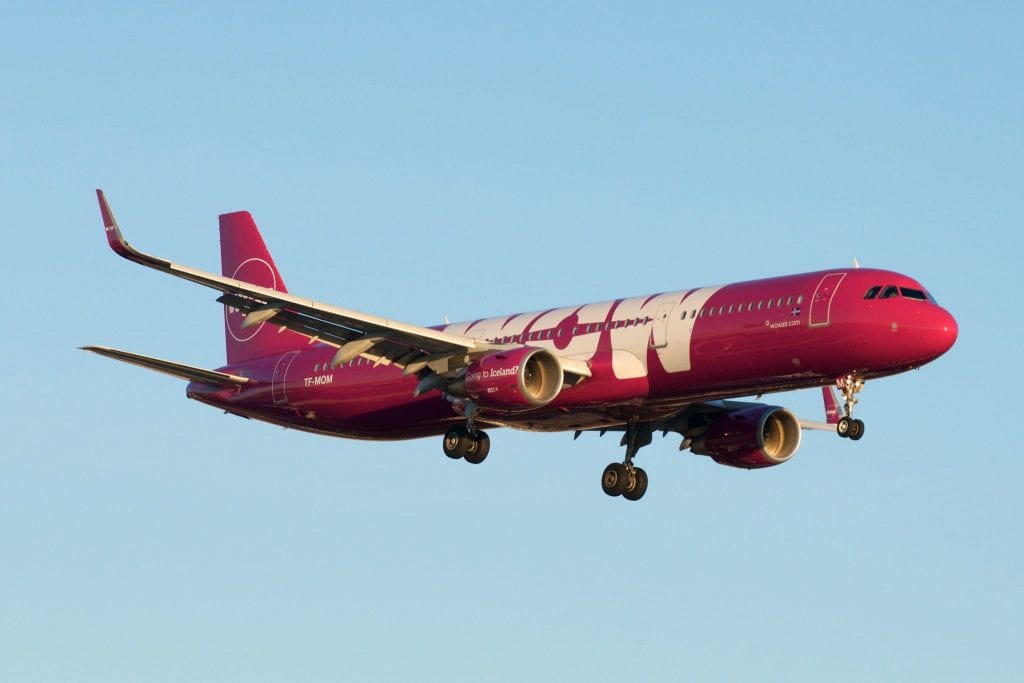
This looks like a marriage of convenience for the carriers. Both are struggling, as is the wider Icelandic tourism industry. We'll have to wait and see whether one is better than two.
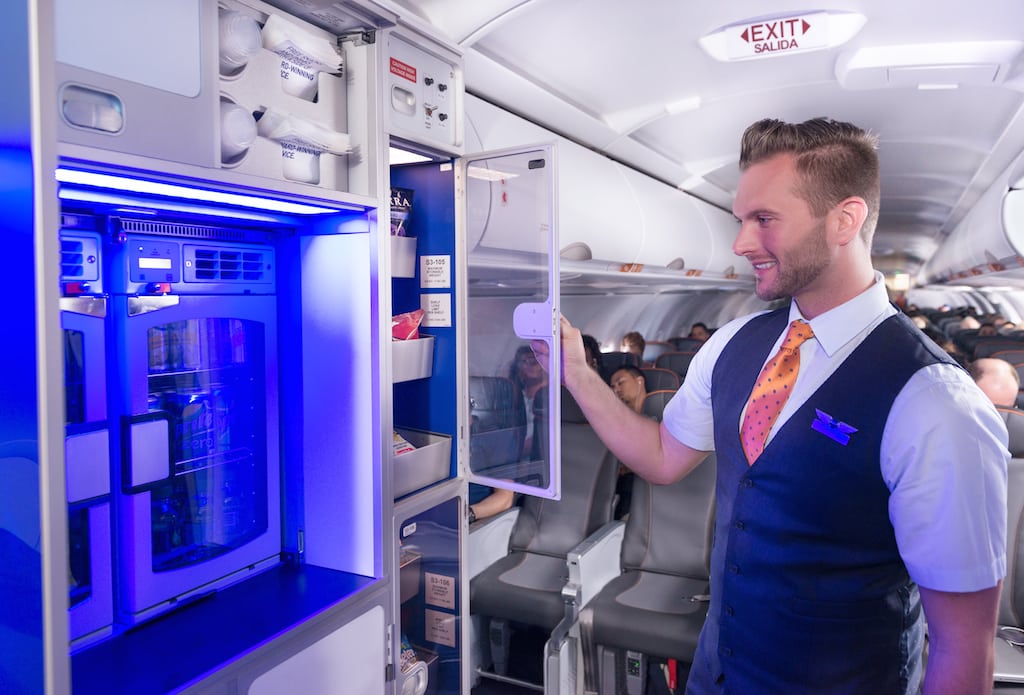
Passengers sitting in the back of the airplane hate it when an airline runs out of food for sale. But airlines also hate waste, and they usually must throw out uneaten fresh food the same day. How do airlines decide how much food and drink to board? It's a delicate dance.
Air Canada has enhanced its corporate travel offerings to deliver on changing expectations, primarily by focusing on flexibility, customization, and its global network.
Air Canada has built a successful business flying customers between North America and Europe during the summer. But much of that business dries up the rest of the year. Now, Air Canada wants to find a way to produce more revenue in winter. Can it succeed?