The Marriott Traveler website shows how a hospitality travel content platform can evolve into a lifestyle portal that cross-promotes content across the different brand channels.
Gone are the days when travel brands could rely on English as the lingua franca of independent travelers. As more consumers worldwide embrace digital tools to plan and book trips abroad, brands must offer multiple language options along each stage of the process, or lose ground to OTAs.
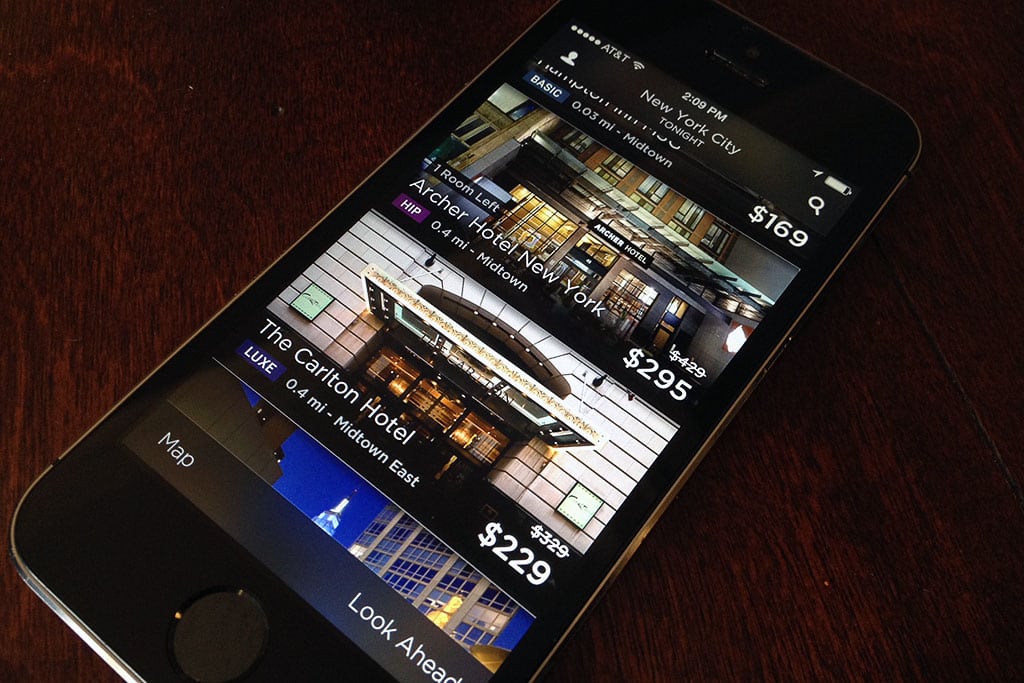
Let's see: HotelTonight claims to have grown revenue 200 percent year over year in January while shifting its emphasis toward profitability instead of growth, and after laying off 20 percent of its staff in November. Sometimes it's just great to be a private company and to have such freedom of speech.
Imagine if Expedia and Priceline saw selling flights as an increasingly important part of their business and started offering airline IT solutions. That's what they and Trivago are essentially doing on the hotel side of the ledger, embedding themselves as hotel-technology providers. Now it has become a downright trend.
While the Truth in Hotel Advertising Act has yet to gain any support in Congress, it represents a blow to ubiquity of hotel resort fees and other surcharges that are traditionally tacked on at the end of a hotel stay.
As messaging establishes itself as the dominant form of modern communication, consumers are increasingly tuning out to broadcast marketing. Smart travel brands are adapting by honing their conversational skills and welcoming a two-way dialogue with customers.