
What It Meant for Cleveland and Philadelphia to Win National Political Conventions
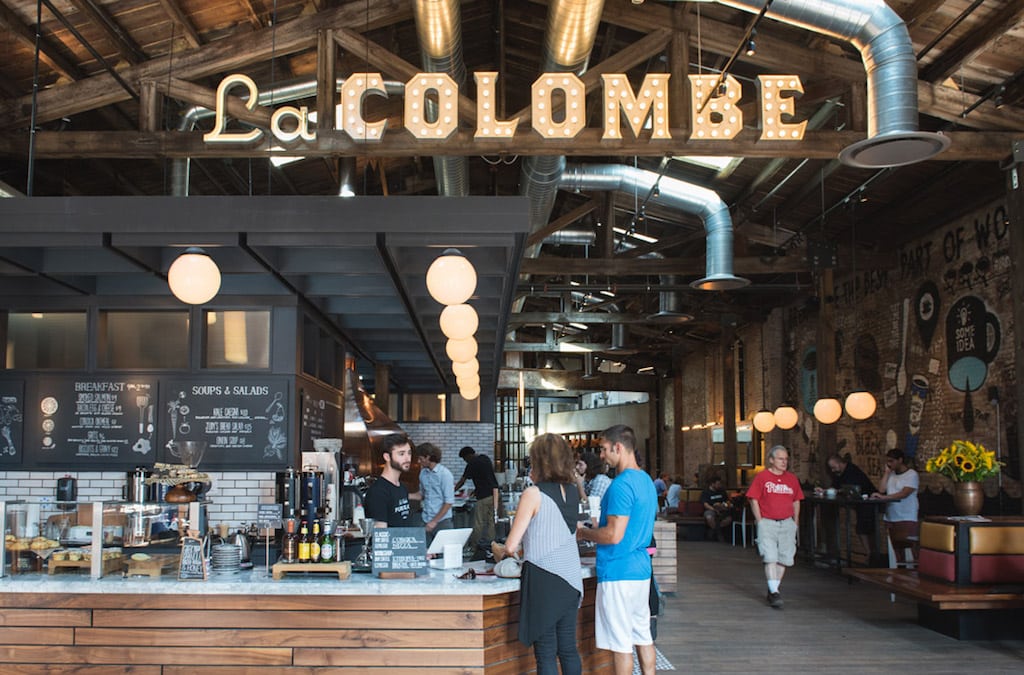
Photo Credit: La Colombe in Philadelphia's Fishtown neighborhood represents the trendy image that the city wants to promote at the DNC. Visit Philly
Skift Take
Philadelphia and Cleveland have invested heavily in their downtown districts and public-private partnerships, so they're viewing their two national political conventions as coming-out parties for the convention industry.
According to the tourism and convention bureaus in Philadelphia and Cleveland, their public-private partnerships, new urban infrastructure, and surging knowledge-based economies are why they won their bids to host the national Democratic and Republican conventions, respectively.
Both cities have come a long way in redefining their images in the last two decades, and both cities feel the conventions are a direct acknowledgment of that.
Between 1980 and 2010, America lost seven million manufacturing jobs due to foreign competition, automation, and the financial crisis, with "rust belt" cities like Philadelphia and Cleveland being hit among the hardest. However, following the recession, the focus on manufacturing shifted from producing cheap goods to smart goods, fueled by emerging technologies and a hungry young workforce with a knowledge-sharing mindset.
The result of that is the rise of “brainbelt” cities according to the new book, “The Smartest Places on Earth: Why R

