The thousands of screens on aircraft, either built-in or brought onboard, offer advertisers and brand partners many ways to reach consumers. With connectivity and advanced IFE systems gathering user data, the skies offer limitless possibilities for targeted campaigns and direct sales.
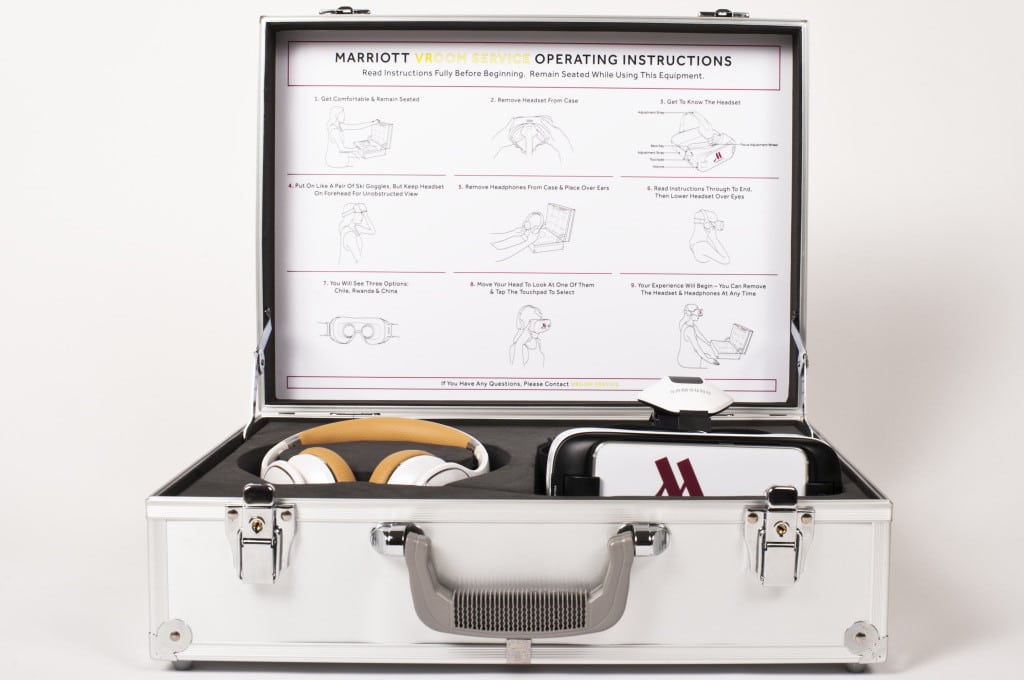
It's no marketing plug. Marriott's two-week VR Room Service experiment, complete with the introduction of its own VR Postcards platform, takes visual storytelling in travel to a new dimension in an effort to stay relevant, connect with millennials, and foster a conversation around why people travel.
United’s tracks moving forward could run along the lines of the Amtrak model; not aspiring to compete with global airlines on design, passenger comfort, and perks. If the kinks are taken out of the system, staff unity is achieved, fares are competitive, and United becomes more efficient, U.S. passengers might not mind.
As these unbundled programs take hold in the industry, affecting how reservation systems structure fare data, it will be very difficult to bundle them up again. We expect this trend to continue and become the new normal around the world.
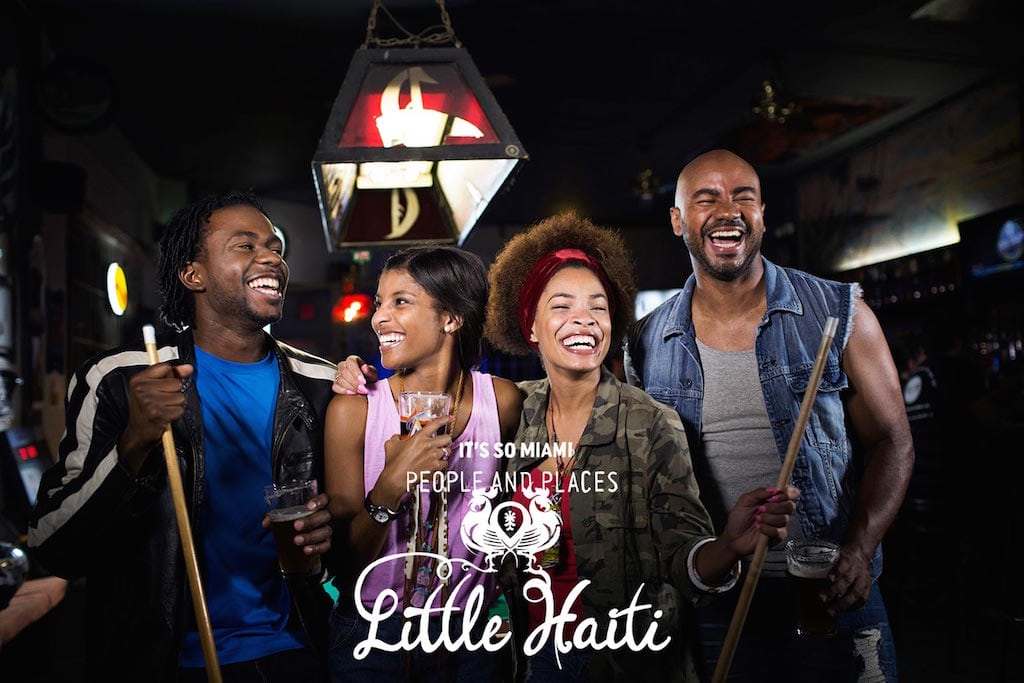
Miami's neighborhood video series illustrates best practices in digital destination content delivery and overall branding development to define the essence of place.
Facebook is improving its video offerings which helps programs like Hartsfield-Jackson's and it also adds another dimension to the question of how to best reach travelers with personalized and targeted content.
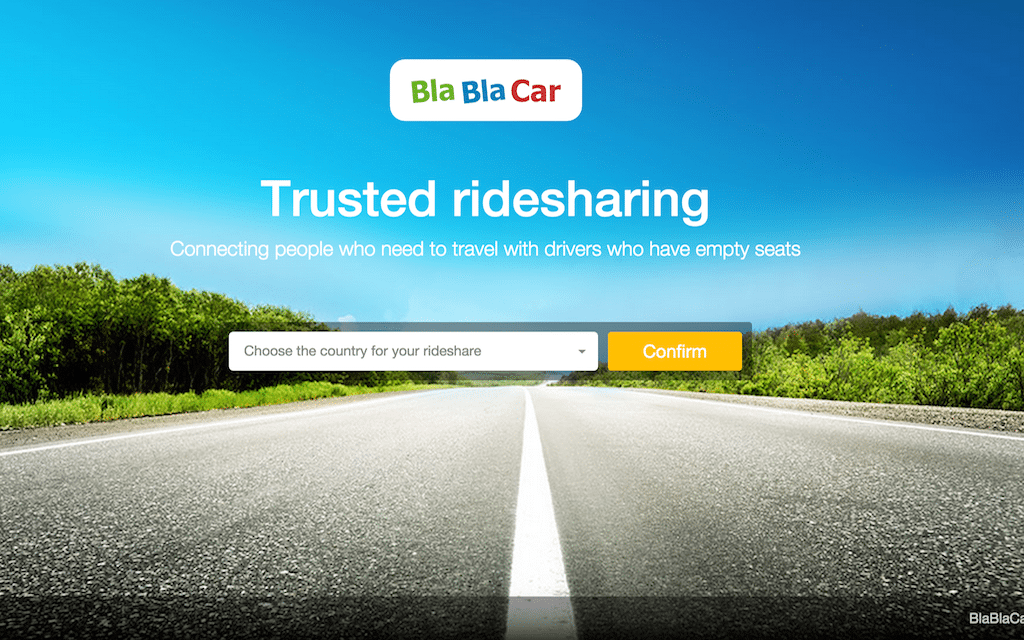
BlaBlaCar, which actually deserves to be called a "sharing economy" company, has a model unique from other ride-share companies for many reasons, including the fact that drivers know they can't make a personal business out of it. As it continues growing in markets outside the U.S., other global companies like Uber know they chase after very different travelers than BlaBlaCar.