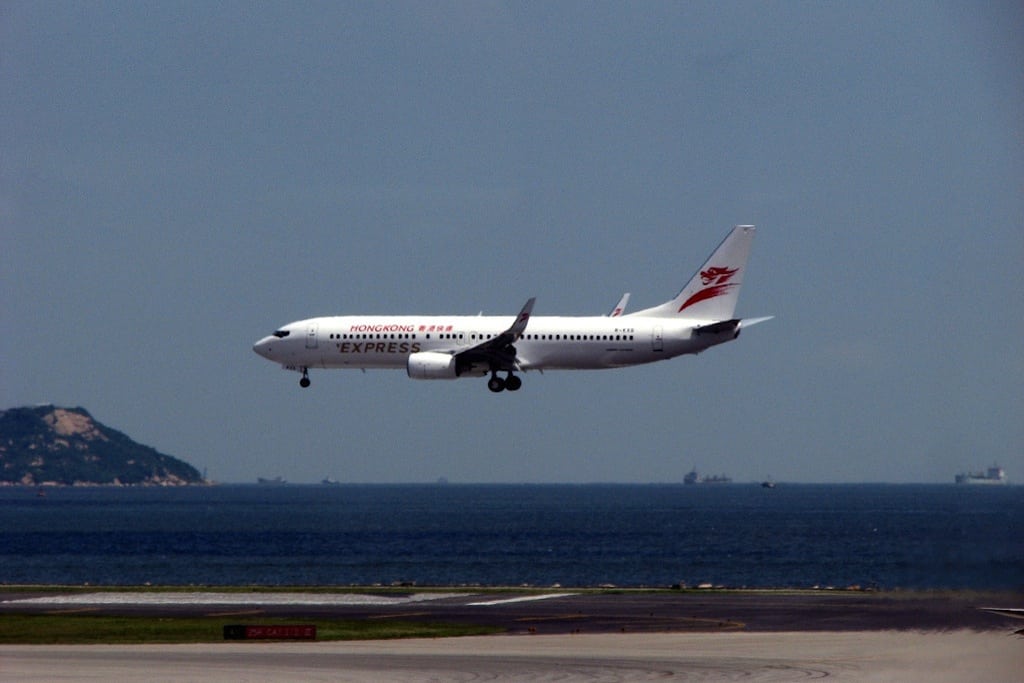
Tourism out of Asia is growing, but travelers worldwide are still looking to trim costs leading to the rise in low-cost carriers and the now evident decline of full service airlines.
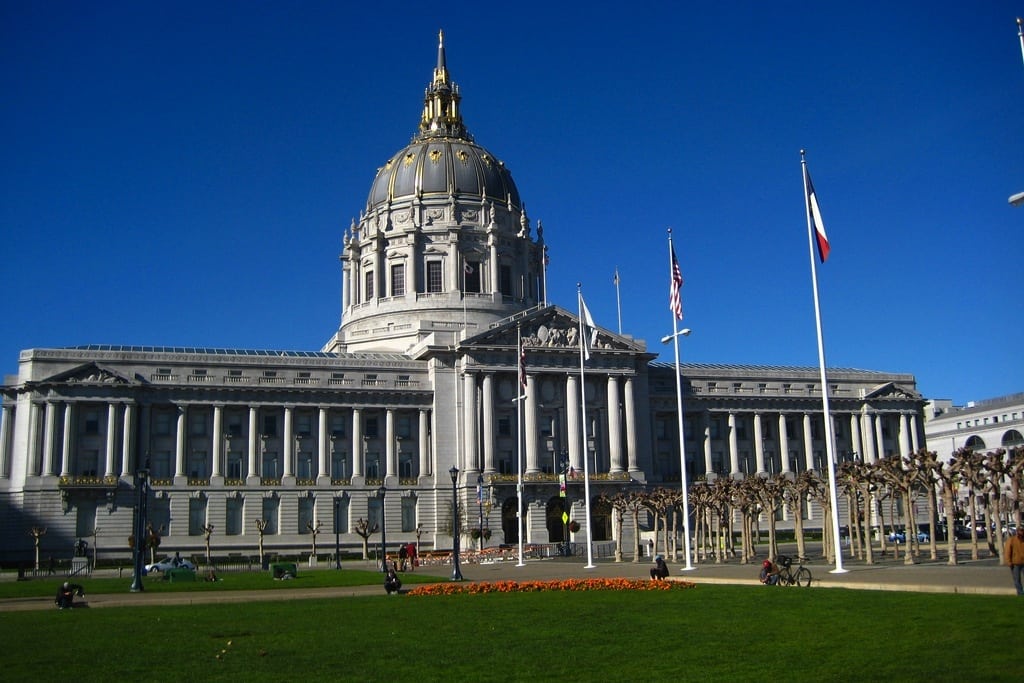
The Mayor's Office, Airbnb, and SFO all talk about an ongoing "dialogue" and "conversation," but any timelines are vague and the city’s own neighborhood associations, let alone its residents, aren't yet part of the discussion. The sharing economy will one day be regulated in San Francisco, but there's still much work to be done.
Chinese travel spend is clearly on the rise, but this Visa study also found that easier bookings and increasing options are leading all tourists to allocate more money to more trips in the coming years.
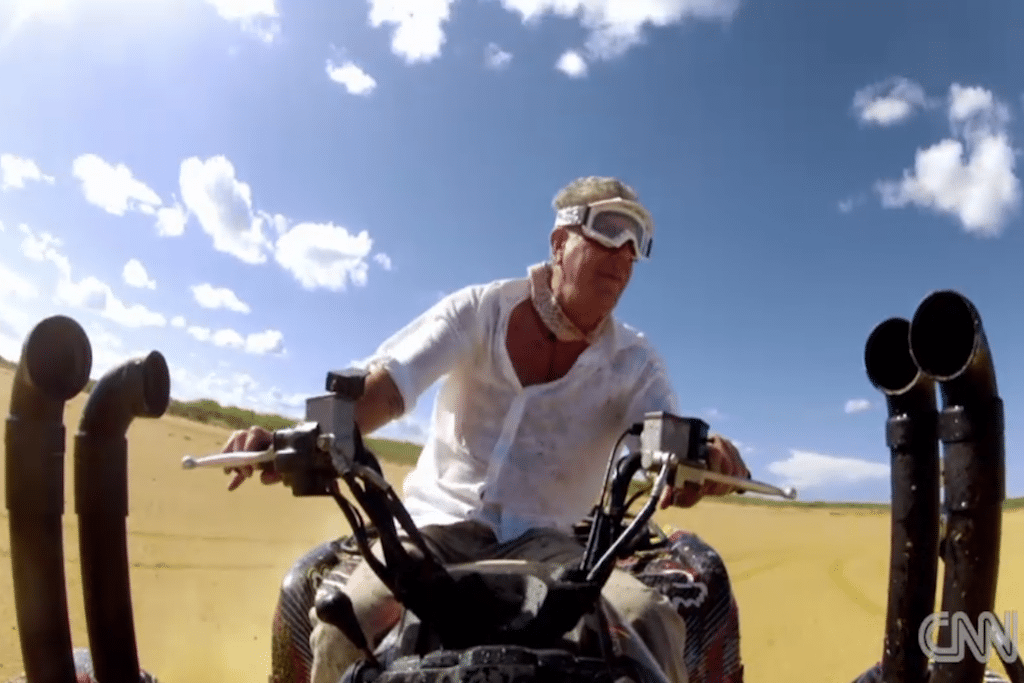
Episode three sets high goals for the rest of the season: Bourdain succeeds in dispelling myths about much discussed destination. This and similar episodes are not only important for each country’s people, but for Part’s Unknown viewers who are one step closer to understanding their complicated past.
Branson and others in the tourism industry stand to lose money when travel warnings are issued, but that doesn't mean their voices should be quickly dismissed. Governments must do a better job explaining context to visitors when they caution about travel.
Making it easier to travel U.S. is tied to the visa regime and border security, which in turn is heavily influenced by immigration reforms. Also U.S. travel orgs need more manpower to help grow them, and in turn grow jobs all around. All of this should be on the table in immigration reform debates.