The outlook for travel in the U.S. is somewhat cloudy. Low gas prices are bolstering domestic travel, even if its growth rate is creeping downward. The high value of the U.S. dollar and other factors like the upcoming presidential election, however, are suppressing international inbound travel.
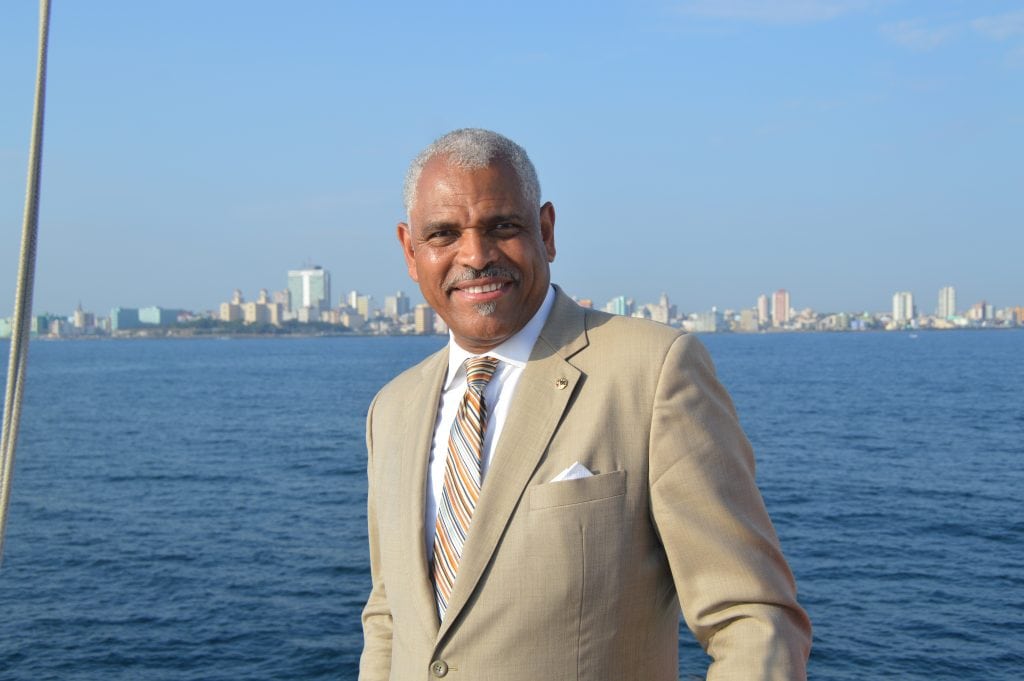
As Carnival's experience shows, doing business in Cuba as an American company is complicated — especially in these early days while relations are normalizing but the embargo remains in place. Travel companies catering to U.S. citizens need to be flexible, detail-focused, and patient.
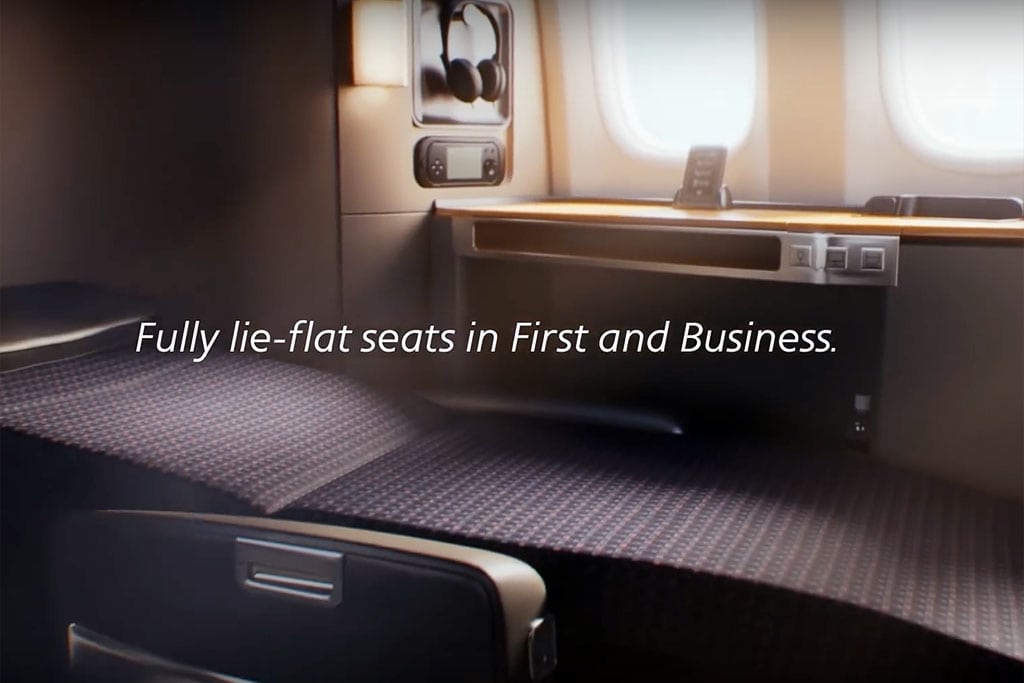
Social media is becoming big business. If you need proof, just look at American Airlines, which is devoting millions of dollars to making sure travelers say good things about them online.
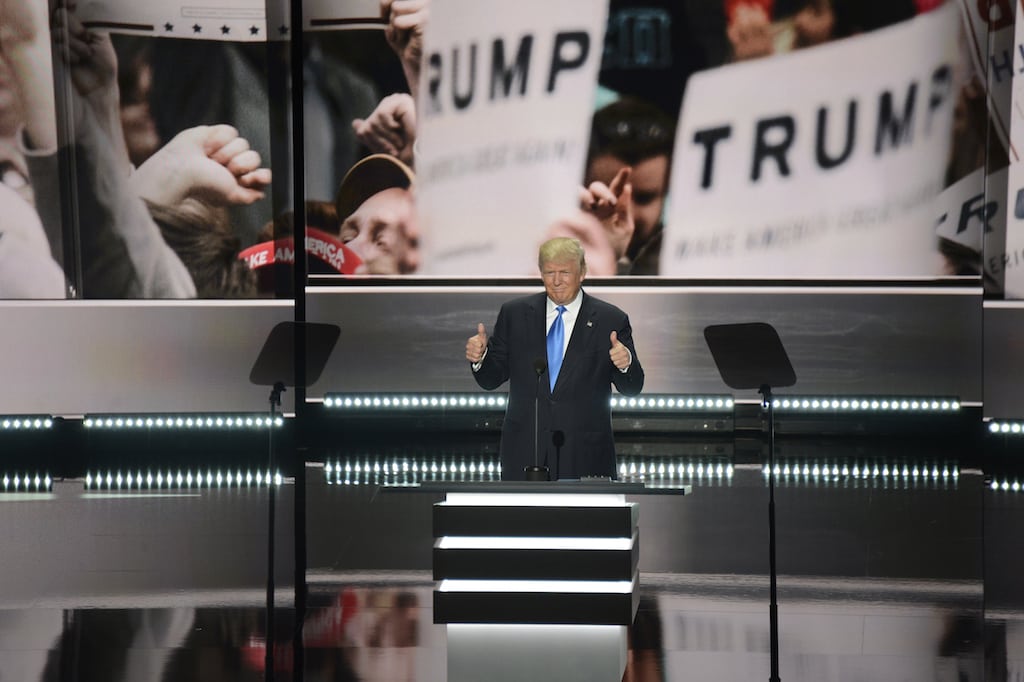
It looks like the travel industry isn't enthusiastic about industry player Donald Trump, the iconoclastic billionaire and hotel mogul. Meanwhile, Delta Air Lines CEO Richard Anderson has quietly emerged as a major Democratic donor.
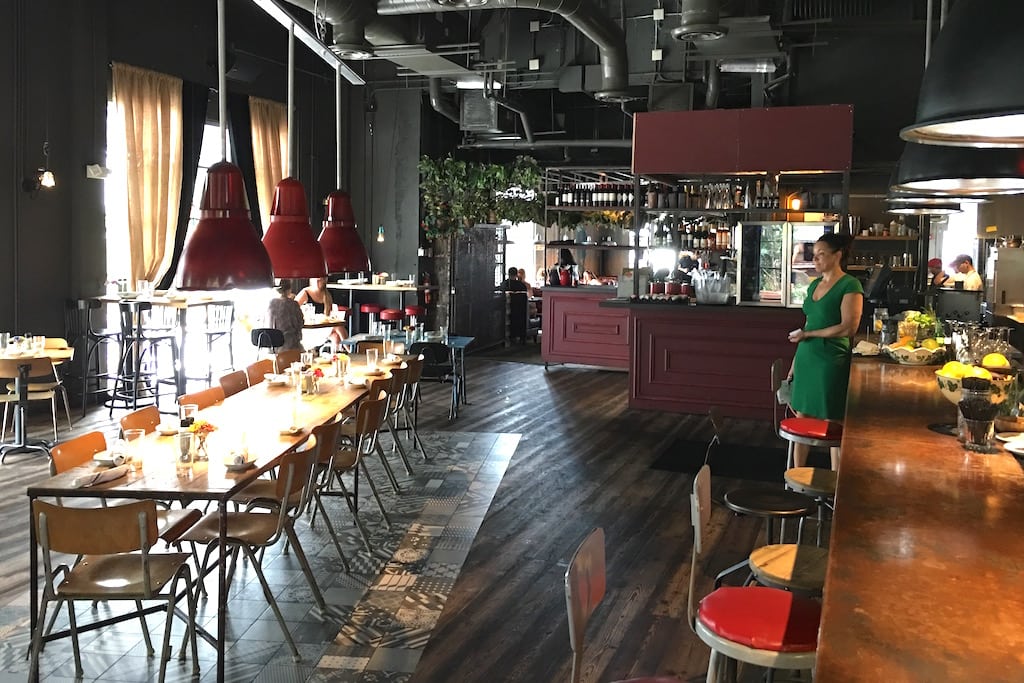
Maybe a silver lining to Zika's toll on Wynwood is that the district is getting a huge amount of global press that could pay off when everything is back to normal.
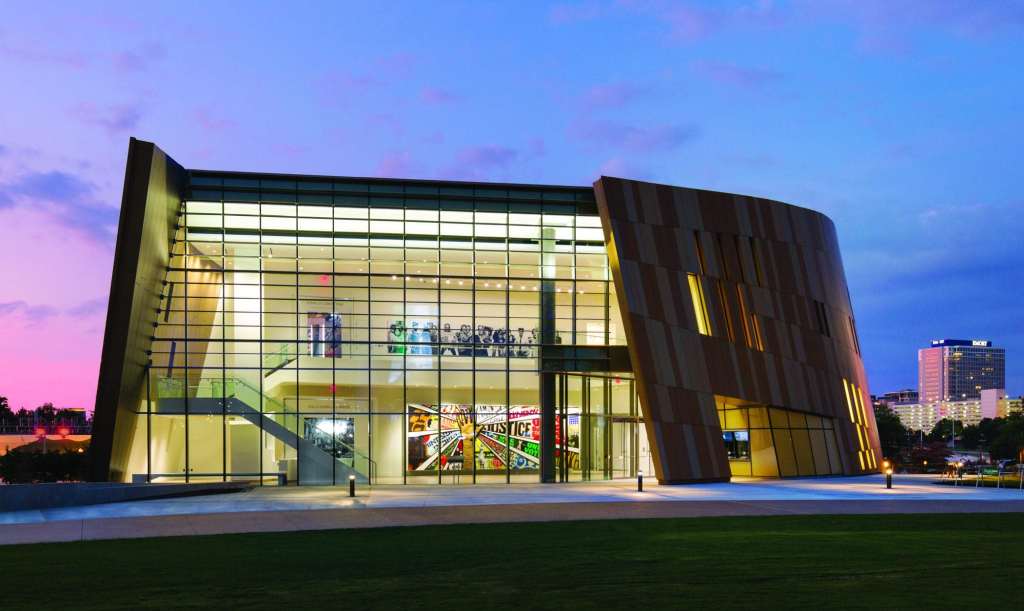
Historically, tourism in the Deep South steered clear of discussing slavery and Jim Crow, instead leaning on less contentious topics like country music and antebellum architecture. But now, civil rights museums are becoming an important part of the South's tourism landscape, even if many state tourism boards haven't gotten on the bandwagon.