It might be true that London isn't in the same boat as Venice or Prague, but there are plenty of areas finding it difficult to balance the demands of tourists and locals.
City leaders in government, tourism, and economic development are collaborating more strategically to grow their leisure and business travel sectors in alignment with the interests of their local communities and industries.
China’s number one super app, WeChat, has helped its parent company, Tencent, become the most valuable social network company in the world. With this upward momentum, the app shows great potential for travel brands looking to enter the China market, as long as they formulate a thoughtful strategy going in.
Tourism in Colombia has surged in recent years, partly thanks to the fact that tourism leaders are positioning the country as a leading destination for nature and outdoor adventure experiences.
In less than 100 days, Cape Town may run out of water. While the impact on the city’s crucial tourism industry has been limited thus far, that could soon change.
This week's tourism news was global. We looked at the crowded Caribbean cruise market, Tourism Australia's rumored Super Bowl ad, and sharing economy growth in Europe.
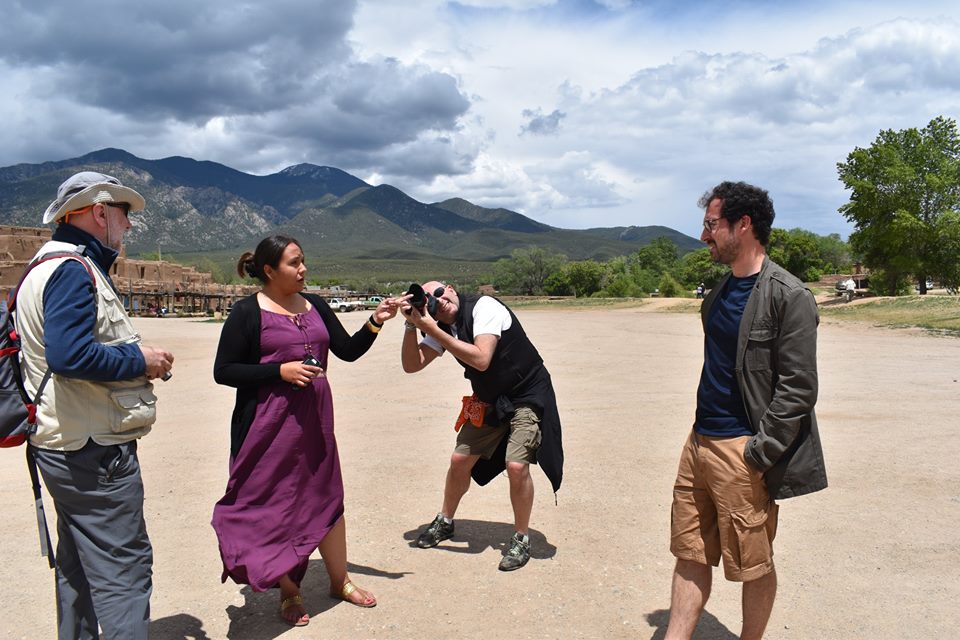
Visitation to Indian Country has been steady during the Trump Slump, and that might be attributed to a focus on attracting visitors from Italy and Germany.
Things can change very quickly in travel. Geopolitics plays a big part in deciding a destination’s popularity. With Spain undergoing its own problems, and fewer terrorist incidents taking place in North Africa and the Middle East, the tourist spread is starting to rebalance itself.