Marriott guests didn't take the chain's Wi-Fi-blocking practice sitting down and fought back, with Marriott International ultimately getting fined $600,000. What makes Hilton Worldwide think it can evade the same fate?
To meet consumer demands and make it easier for visitors to access the mobile app, Four Seasons unveiled a new standard of Wi-Fi: complimentary access available for an unlimited number of devices.
JetBlue and Virgin America are certainly blazing trails on brand partnerships to support connectivity. The question is: will other airlines follow in this new frontier or just circle their wagons.
The thinking behind this is that tap-tap and connect is easier for passengers—and more intuitive to mobile-device users—than loading a portal and entering information to connect through a browser. There's something to that. The beacon ‘reminders’ to use the connection, however, will have to be designed carefully so they don’t annoy.
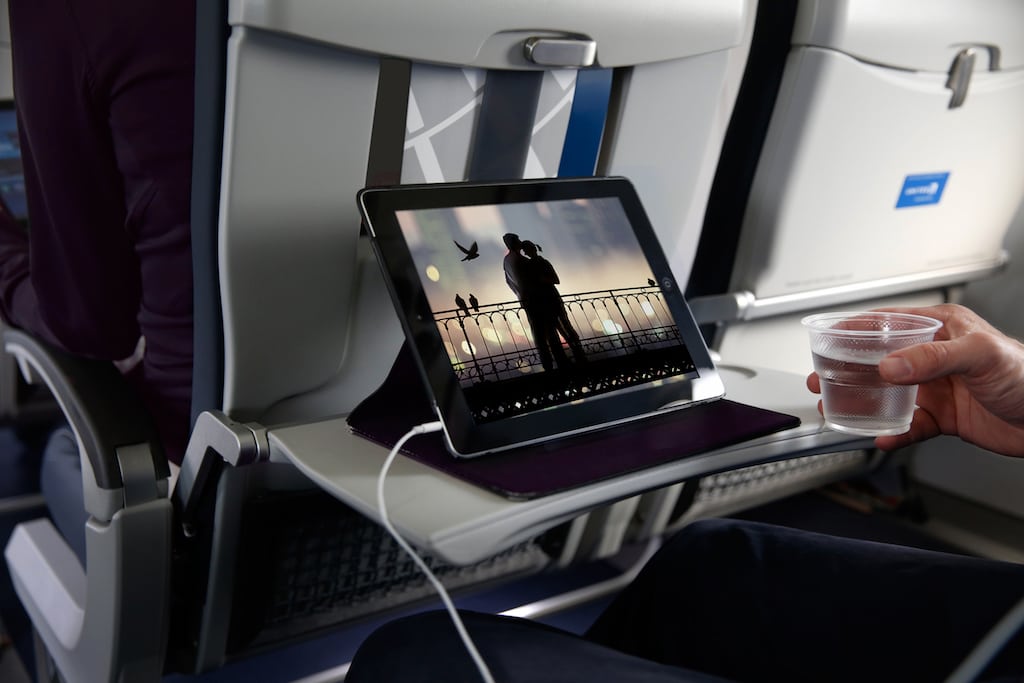
The thousands of screens on aircraft, either built-in or brought onboard, offer advertisers and brand partners many ways to reach consumers. With connectivity and advanced IFE systems gathering user data, the skies offer limitless possibilities for targeted campaigns and direct sales.
This is another step on the road toward Wi-Fi access becoming a free and open utility, and a right. Until the laws catch up with the times it appears we can expect more battles like this for the foreseeable future.
We don't expect Wi-Fi to be breezing at 35,000 feet but there's no shame in holding airports on the ground accountable for faster speeds at this point and it looks like they've listened to demand.
There is still much growth left in in-flight Wi-Fi and related connectivity services, and it appears that emerging economies are showing more interest than connectivity-saturated mature markets like the U.S.