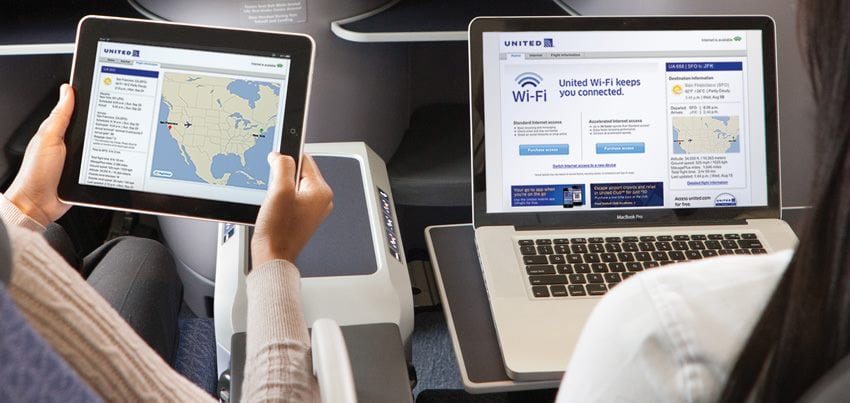
We're still in early stages of in-flight connectivity, and even earlier in consumer adoption, but bring-your-own-device is a trend that'll only grow bigger in all stages of travel.
Free Wi-Fi on airlines makes a lot of sense. It should be viewed as a necessary utility. But, the Wi-Fi systems will have to improve because they can't handle bandwidth demands even now with so few passengers using the onboard Wi-Fi.
Taiwan’s move is great for tourists and should set a precedent for other countries looking to attract visitors. Look to other countries rolling out Wi-Fi service that enables visitors to check email or get basic information about the destination in their own language.
Any adoption of the proposal that the FCC will consider is by no means assured since the Satellite Industry Association has powerful backers with much clout in Washington.
Guests don't enjoy sneaky fees and hotels don't enjoy arguing over them. Including a few basics -- like Wi-Fi -- for free builds loyalty and makes everyone happy.
The FCC is pushing the FAA to act faster regarding use of in-flight electronics, and this is yet the latest shove to get the aviation administration moving.
This being India, the network will likely be overwhelmed by usage, primarily mobile device usage. But then, how different would that crawl be from Amtrak or Bolt Bus wi-fi here?
Most business travelers won't be satisfied with basic service. If InterContinental really wants to make a difference, it would subsidize premium Wi-Fi use for road warriors, as well.
With free Wi-Fi, JetBlue has done an analysis showing that keeping passengers happy provides more revenue in the long-run than creating resentment by charging them for certain services that they consider "takeaways."