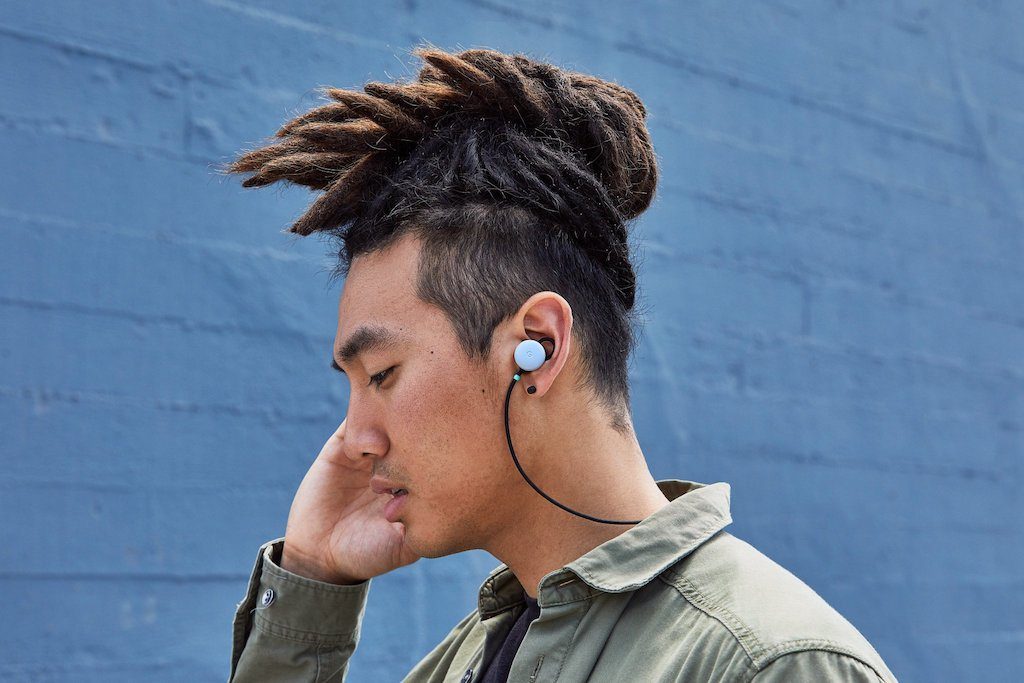
Google's voice-powered assistant now lets you check in for United flights. Nice. The tech giant is also working with Hyatt and other hotels on testing a translation device at front desks. The early word is that the translations need to improve.
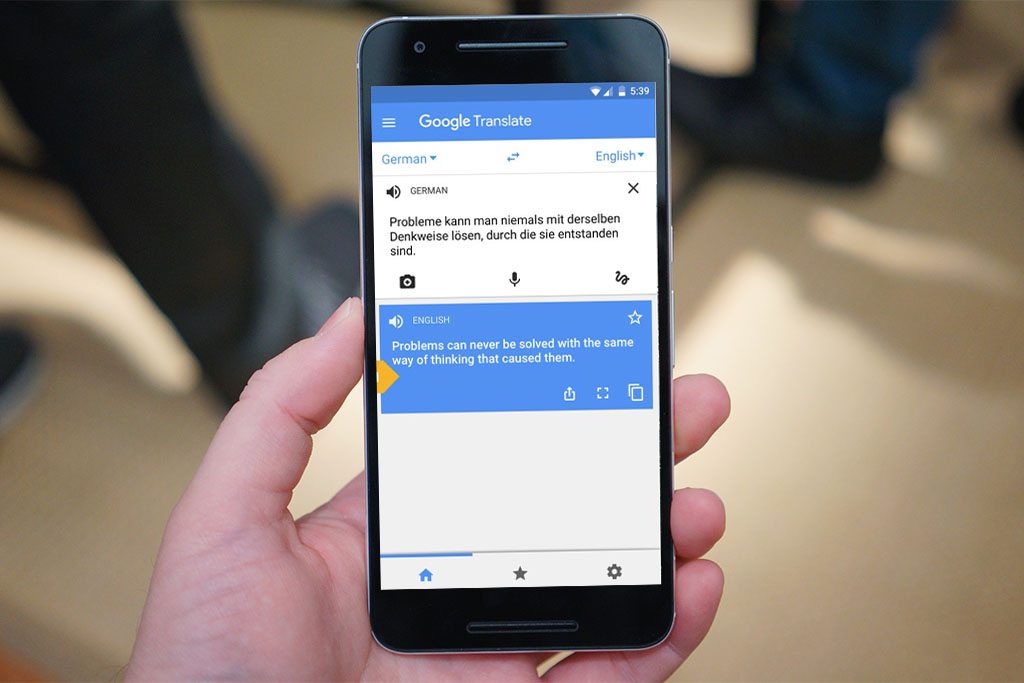
The future you're promised is never the future you get. Google is touting artificial intelligence-powered translation capability as a transformative feature for its users, but it's really just an impractical repackaging of existing technology.
The first iteration of this technology could be glitchy, but the ability to translate your speech into 40 languages could turn out to be something of a true killer app for the travel industry.
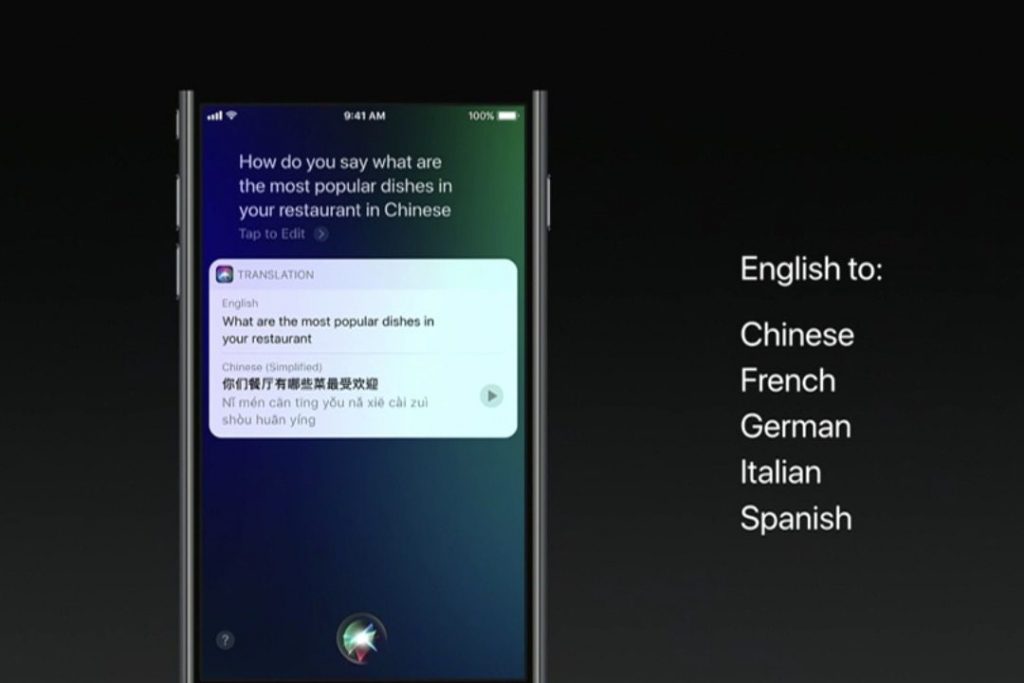
Apple's annual gathering of mobile app makers revealed that the company is enhancing its voice-activated translation tools. That perked up our ears. But Siri's still not as fast as many travelers would like.
Say what? Machine-based translation still makes significant errors. But new techniques from Google, Microsoft, and Facebook are much better, as shown by a new Hostelworld chat tool based on the tech.
Starwood recently changed its approach to the translation of websites for its 1,500 properties. Its move is a case study in how many hotel groups are getting savvier about using data to boost bottom line results.
Gone are the days when travel brands could rely on English as the lingua franca of independent travelers. As more consumers worldwide embrace digital tools to plan and book trips abroad, brands must offer multiple language options along each stage of the process, or lose ground to OTAs.
Despite stalled growth in China, Brazil and Russia, a wave of newly middle-class travelers from the BRICs and beyond will start visiting international destinations in the coming decades — dwarfing the numbers we’ve seen thus far.