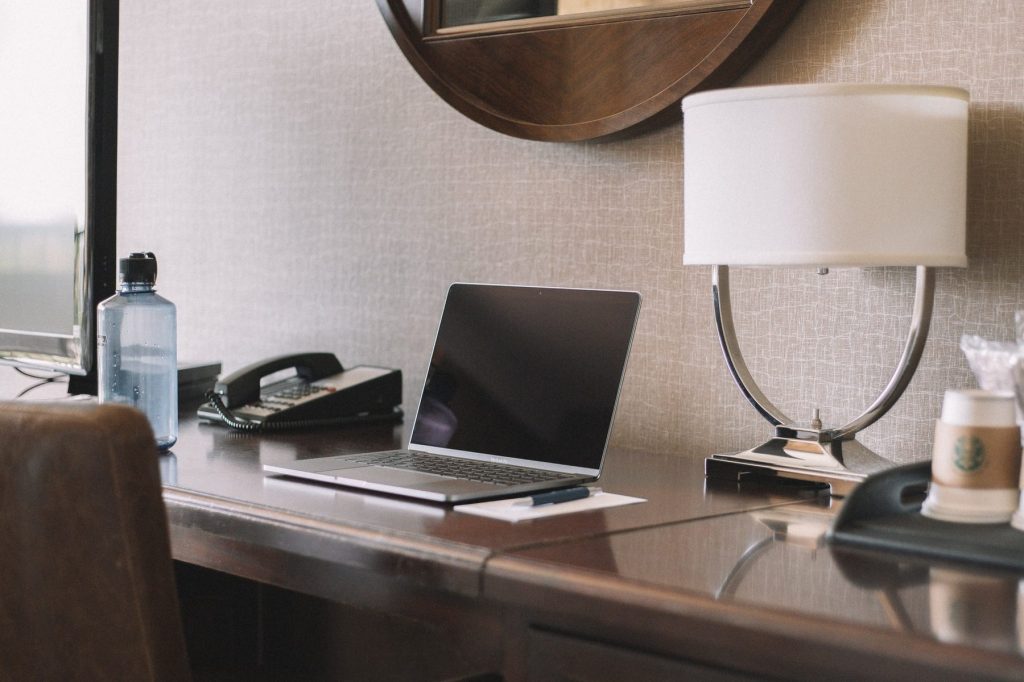
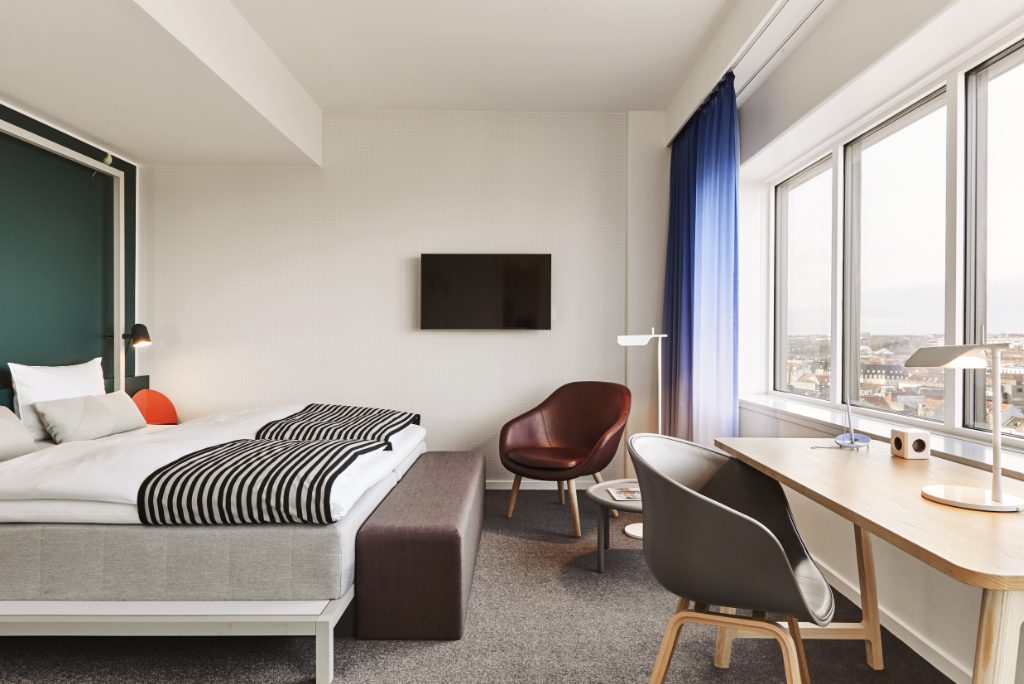
It's a clever way to address that demand for more flexibility, and drive more revenue to hotels, but with recovery on the way it's unclear how long the "microstay" trend will last.
Technology is developing faster than many hotels’ ability to implement it, so some chains turn to tech specialists to stay up to date. Wyndham is tapping Oracle Hospitality for its full-service brands and Sabre for its select-service brands.
Rather than guessing how people will compare flights and shop in the future, it's going to focus on giving travel agencies and other channels the right airline data via its next generation storefront, and let them figure it out. It makes perfect sense in today's unpredictable world.
Sabre and its peers are finally accepting airline demands that distribution contracts should have incentives to build technology that boosts the upselling of travelers. The industry frames the move as providing value to flyers because it makes bundled services easier to buy.
Convene CEO Ryan Simonetti thinks his new digital venture could morph into a $100 million-a-year business. His competitors may have something to say about that.
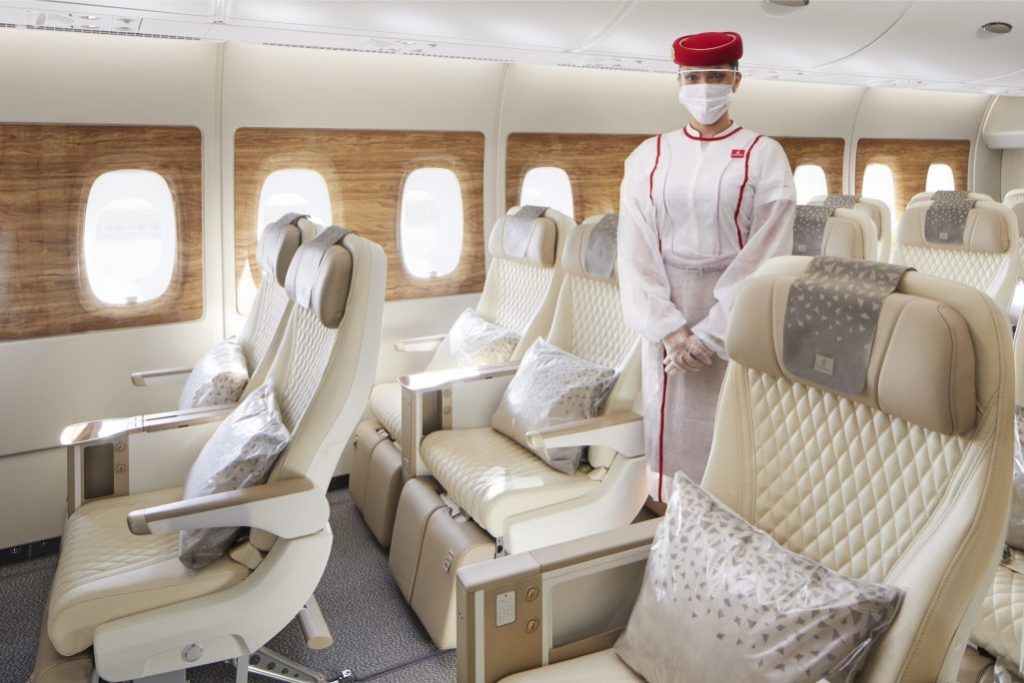
Emirates is one of the largest airlines yet to try to shake up how tickets are sold worldwide. Sabre is at the negotiation table to avoid a content cutoff in July, while other tech partners and travel agencies are still figuring out how to adapt to the new commercial model.
In Skift's top travel stories this week, we looked at changes in Air France-KLM's pricing strategies, Vrbo's attempt to woo disgruntled Airbnb hosts, Nashville's tourism strategy, and the Delta's reversal and the state of Georgia's new voter suppression law.