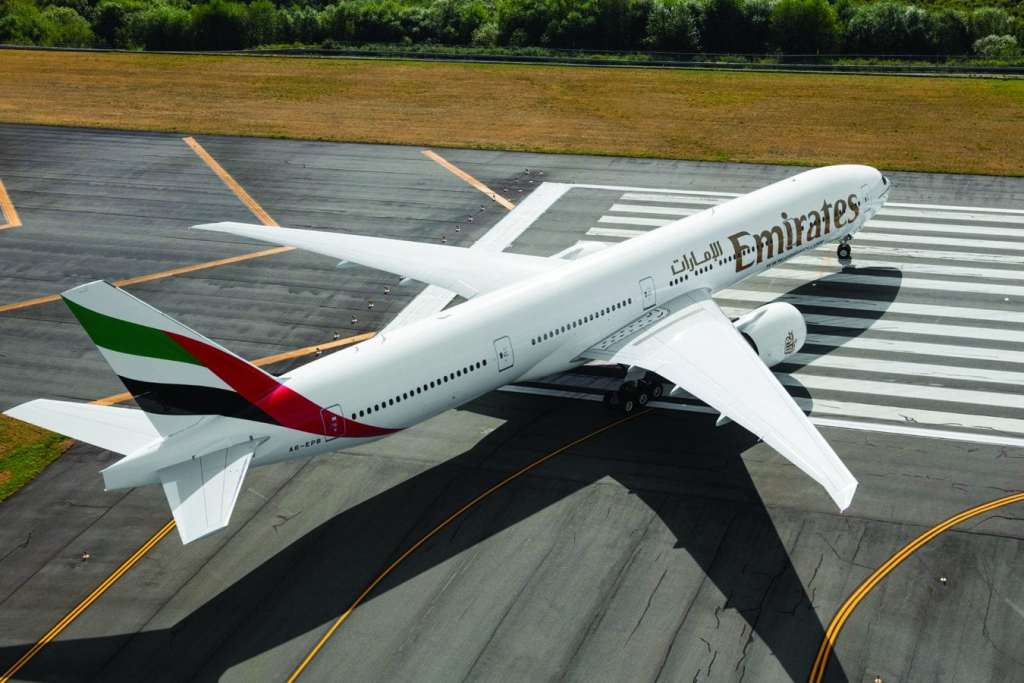
Delta, United, and American wanted the U.S. State Department to take unprecedented action against Emirates, Etihad Airways, and Qatar Airways. But the government didn't opt for a brash approach. This may well be the beginning of the end of the complaints.
If you take Delta at its word, then fears that the introduction of Basic Economy fares to compete with the ultra-low-cost carriers on price would dilute the spend of usually higher-paying passengers haven't been borne out. Still, the situation is fluid as other legacy carriers are set to introduce these discounted fares, as well.
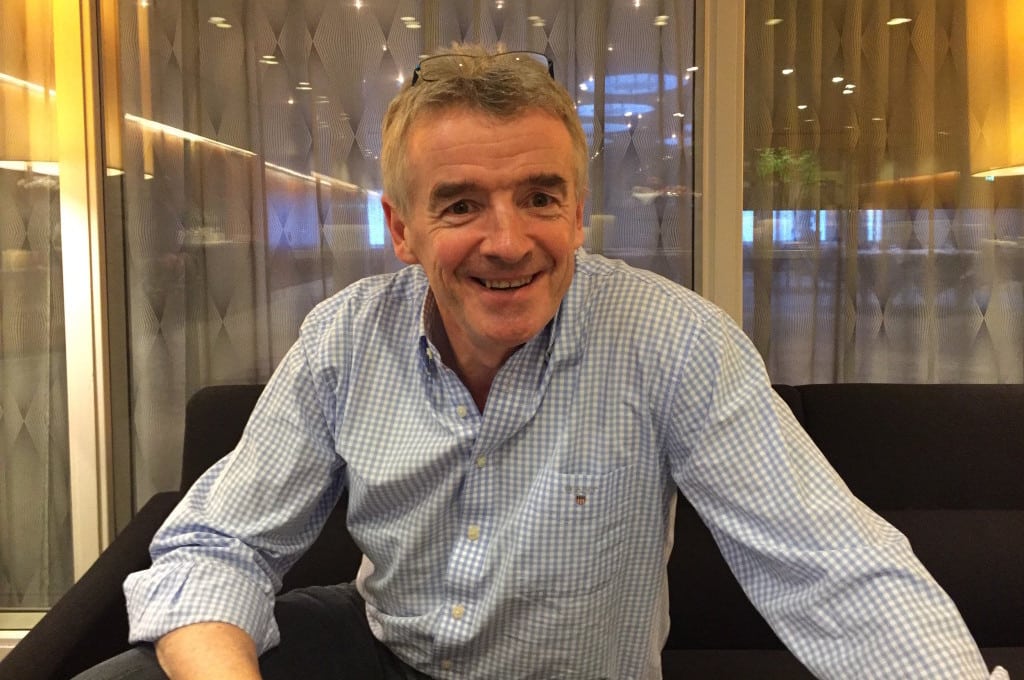
As Europe awaits a decision from U.K. voters on the Brexit Referendum, O'Leary balances an honest, even cutting, evaluation of Europe's flaws with a vision of a better Europe. It's that same dogged determination against opposition which has helped make Ryanair the world's largest airline in passenger traffic.
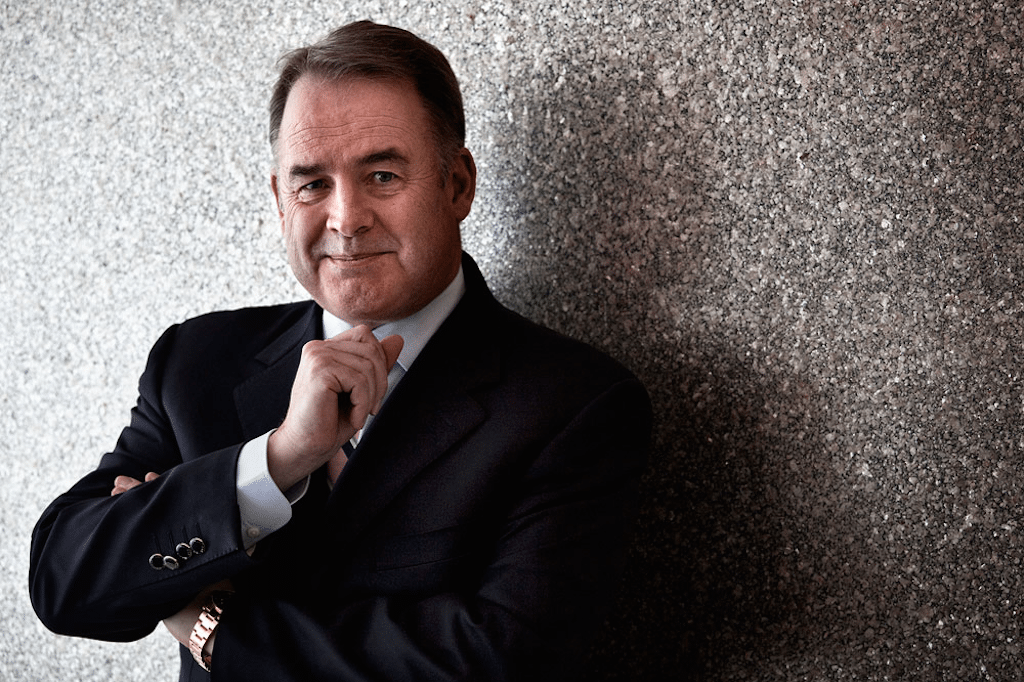
To hear Etihad CEO James Hogan tell it, he's got a "business to run, whether it's economic, whether it's political, whether it's pandemic or whether it's war. You've got to tackle those issues and keep focus." On that "local" Open Skies issue in the U.S.? Hogan will deal with it, whatever comes. No big deal.
And at this juncture, Etihad CEO James Hogan says it's all "good." He's giving airline alliances grief, making strides in honing the passenger experience and obviously enjoying the gig despite the hassles of facing off against the bullying of some of the largest airlines in the world.
New airlines from emerging markets want to help more people get out and see the world. If the world wants them to visit, then they need to allow those flights, or increase service from legacy U.S. and E.U. carriers to those markets, or both. There are plenty of eager travellers to go around.
Detroit Metropolitan is a nice airport but Richard Anderson should get out more if he truly thinks it is the best airport in the world. Perhaps he got carried away in trying to please the members of the Detroit Economic Club.