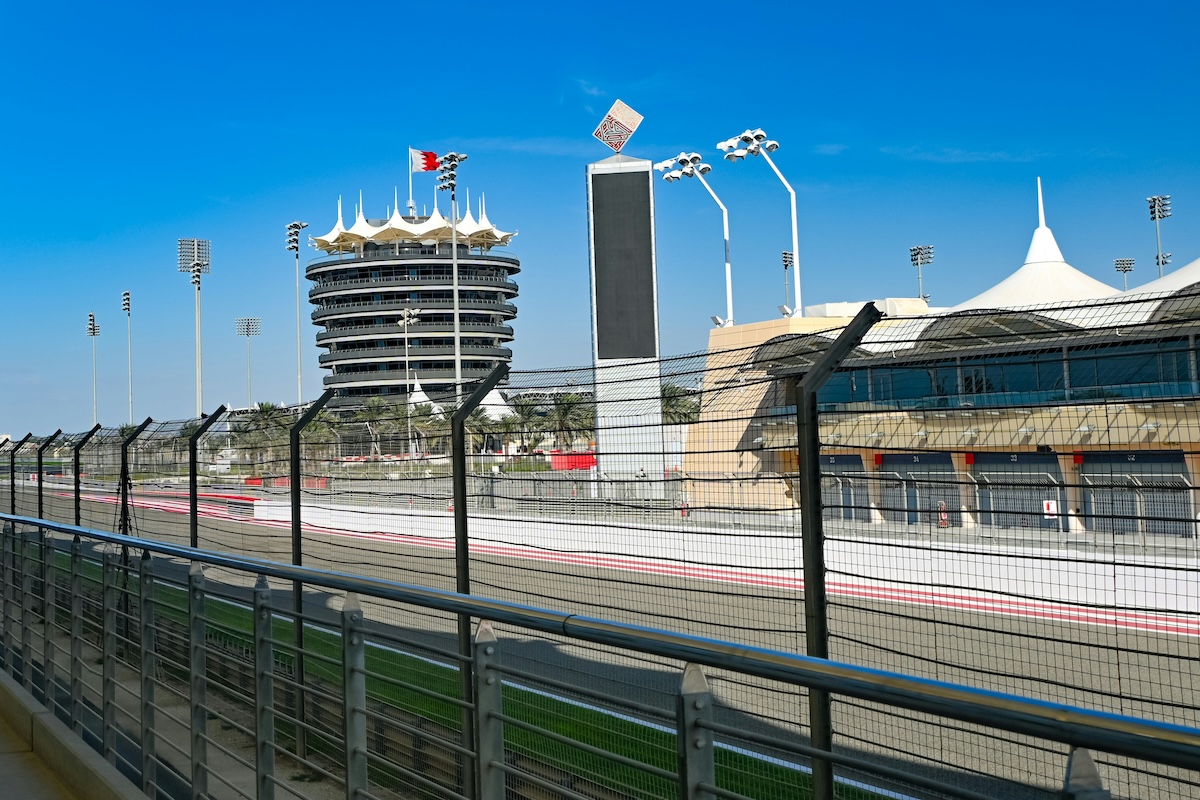
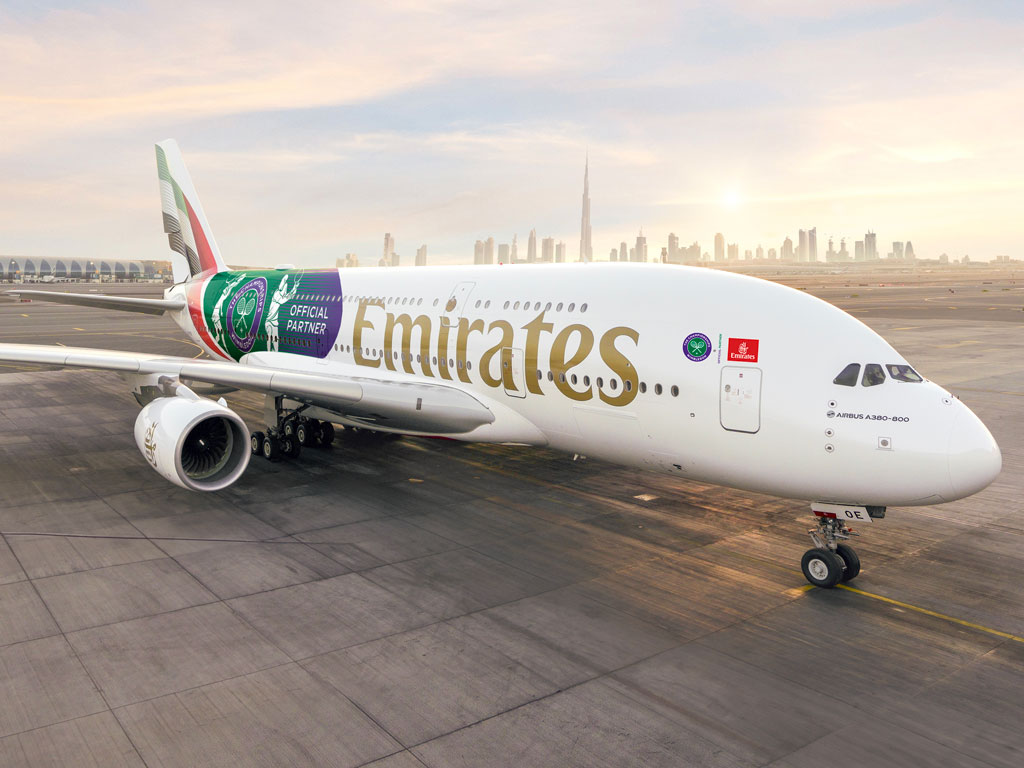
At the start of 2026, airlines were broadly optimistic. Demand looked strong, fuel prices were manageable, and last year’s tariff worries eased. Then the global outlook shifted again. The Iran war has shuttered Gulf hubs, pushed oil prices sharply higher, and raised fresh questions about the global economy. The result could be a troubling convergence of risks for the airline industry. In this week’s feature story, we examine four shocks the sector may now be facing.
Iran’s retaliatory strikes hit Middle East destinations’ civilian infrastructure. The region’s $460 billion tourism machine is counting the cost. Here we provide both the diagnosis and the decision architecture for what comes next.
Khalaf Ahmad Al Habtoor’s comments carry weight because he is behind some of the UAE’s largest hotels and because he is one of the rare hoteliers to speak out about the war's disruption to business.
As a nightmare week for Gulf airlines drags on, Lufthansa Group CEO Carsten Spohr argues Europe must reduce its reliance on Middle East hubs to connect with the world.
In a week when the world's busiest international airline ground to a halt and Gulf hubs faced aerial attack, Gordon and Jay explore the impact of the Iran war on the aviation industry.
As war continues in the Middle East develops, Indian airlines are cautiously working to ensure safety of passengers and crew, without ramping up costs.
Regional instability is rippling across the global events industry, forcing organizers to make high-stakes calls with little certainty. IAAPA’s Middle East expo underscores the challenge.