Some travel sector startups will use special-purpose acquisition companies, or SPACs, to go public, instead of doing traditional IPOs. The trend has the makings of an investor frenzy. Here's our cheat sheet, covered in six questions and answers.
It's nearly time for opportunistic investors like Starwood Capital's Barry Sternlicht to swoop in on distressed hotel assets, but they'd better have the pockets to stomach at least another year of no returns on investment.
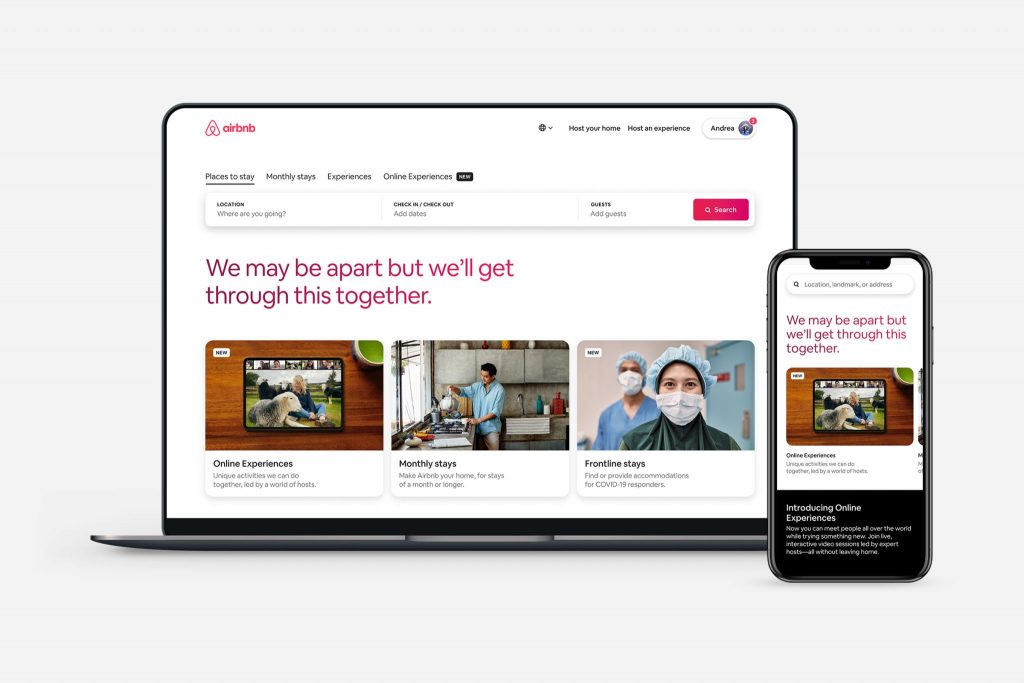
In this tragic and topsy-turvy year, market conditions can change before the end of this sentence. As of this writing, Airbnb seemingly has a path to go public at a valuation that it can likely live with.
Regardless of the shape of the travel recovery, it's clear that travel startups will be behind the curve. Many investors were already wary of funding new travel companies, but now they'll have to worry whether the next pandemic will shut them down anew.
Are consumers discarding price-consciousness for convenience? Uber is convenient, but it's also cheap. These dueling preferences aren't clear-cut, and the trends will remain complex.
Is this only the beginning of the beginning of online travel? With a recent downbeat set of results from online travel agencies, it's a question that's hotly debated these days.
Some entrepreneurs are subject to so much tunnel vision that they can't see when it's time to either pivot or give up. The themes of pivoting to B2B and targeting the vacation and short-term rental space are commonplace and it's realities like these that investors impress upon startups every day. Everyone trying to do the same thing without differentiating creates a lack of ambition, a sentiment shared by some investors we recently spoke to.
Does HotelTonight really provide incremental bookings without detracting from the hotels' own websites and apps? Several big hotel chains and Barry Sternlicht are now on board and apparently believe so. But, what happens down the road when the humble startup gets too powerful? That's something to consider, as well.
Both unmanaged and managed business travelers are turning to their own mobile apps for bookings presenting an opportunity for previously non-travel apps to increase their own value by adding travel-related tools.