TripAdvisor's decision to expand travelers' fees for vacation rentals will please Wall Street and could put pressure on Booking.com, which adamantly eschews such fees, to do likewise.
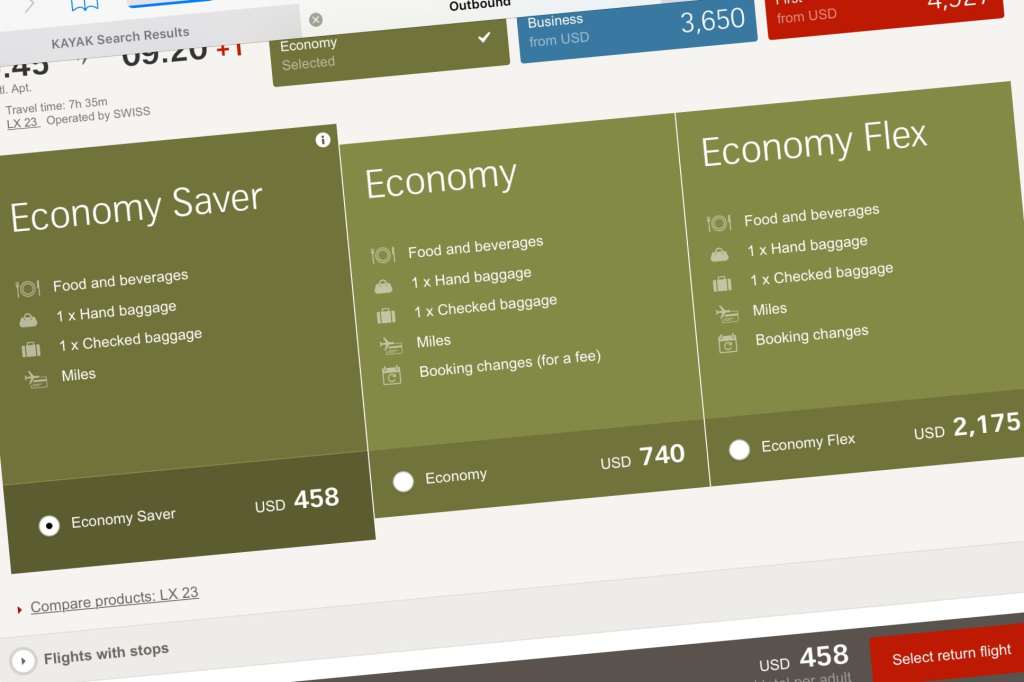
Airlines needed to find some way to make money. It seems they’ve finally found it. If passengers stop buying based on published fares and start buying based on the products offered, the airlines’ new dependency on ancillary sales could drive improvements to the passenger experience.
From a financial perspective, charging a booking fee to travelers was the missing piece from HomeAway -- and the company telegraphed several months ago that it was coming. Charging travelers fees will enable HomeAway to lower commissions to vacation rental owners to be more competitive with Airbnb and Flipkey.
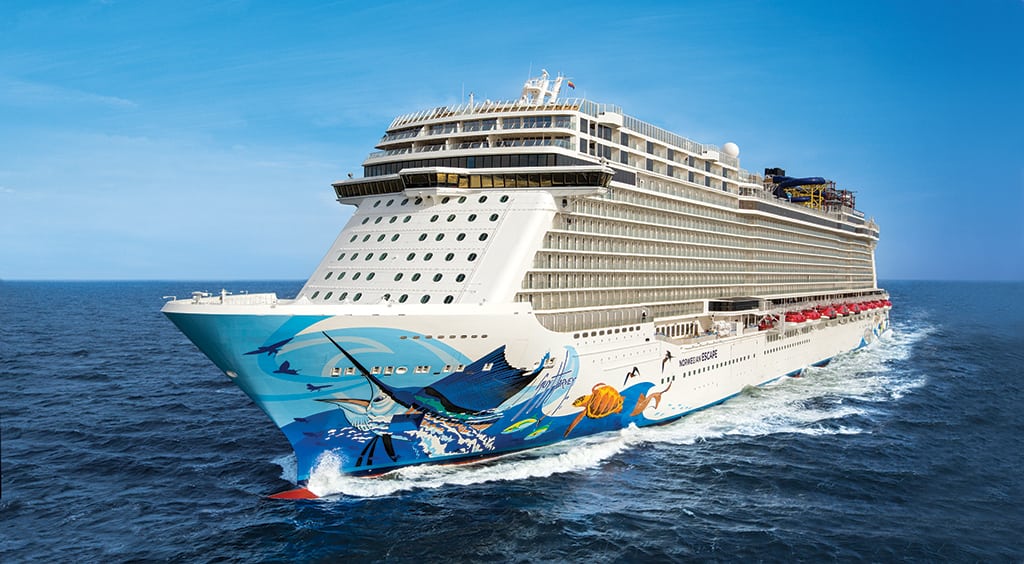
North American cruisers are extremely price-conscious. They're likely to move away from expensive cruise brands. A robust market of high-spending Chinese vacationers can't emerge soon enough for cruise lines.
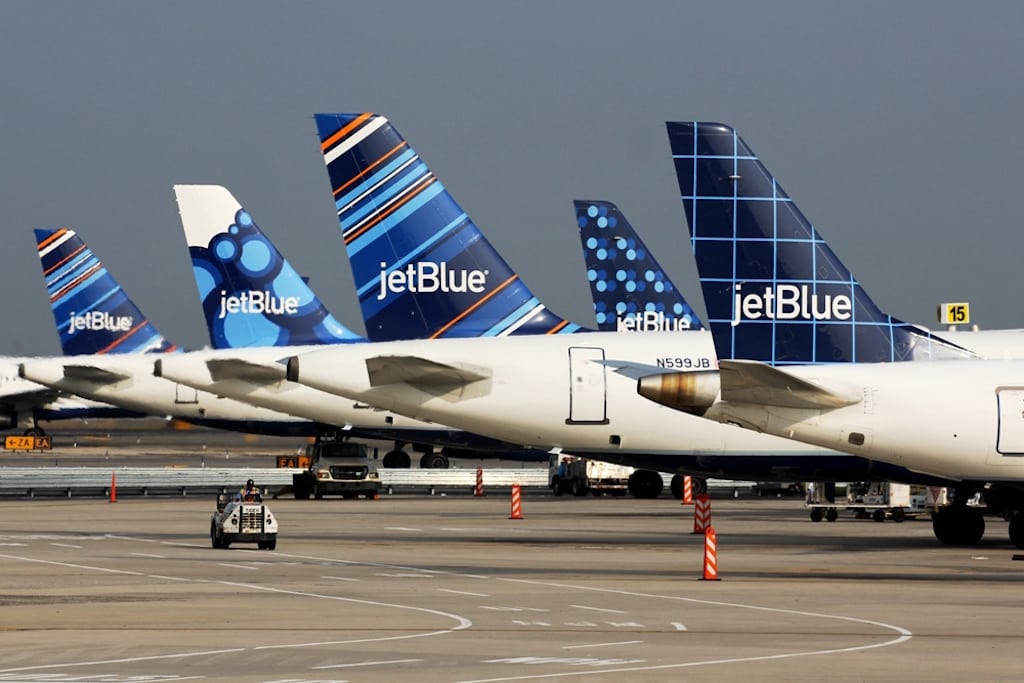
JetBlue was all about giving passengers more choice when the airline introduced new fare families in June. But It came as a surprise to JetBlue that passengers decided to check more first bags than the airline predicted.
Spirit is facing substantial competitive pressures over the short term as legacy carriers try to take away its price advantages. A lot of the outcome depends on who blinks first.
It is possible for an airline, such as Southwest, to cater to some fairly satisfied passengers. Not gouging them with fees and treating them like human beings really helps.
We have to agree that there's no such thing as a free lunch, especially not on a plane. Airlines need to turn a healthy profit--and keep investors happy--to pay for product and service improvements. Even so, just saying everything is better doesn't make it so. Airlines will need to work on changing negative passenger perceptions, rather than pretending them away.