Planners need to rethink how they use technology in every aspect of their meetings, or they risk losing the attention of the biggest percentage of their attendees — Millennials and Gen Zers.
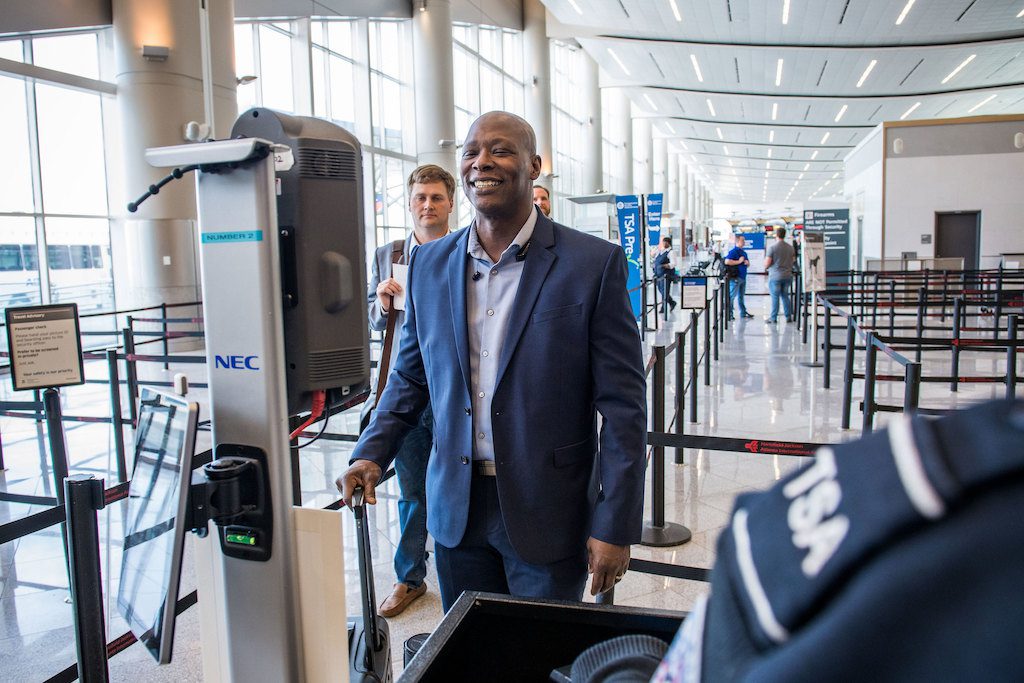
Facial recognition tech divides people. They say either that it's faster and contactless, or that it invades people's privacy. But questions about data security matter, too.
Vendors are getting creative with pandemic-related services, like the following: Passport control via facial recognition. Contactless elevators. Food-ordering without needing an app. Luggage disinfection via ultraviolet light. Mask-detecting robots.
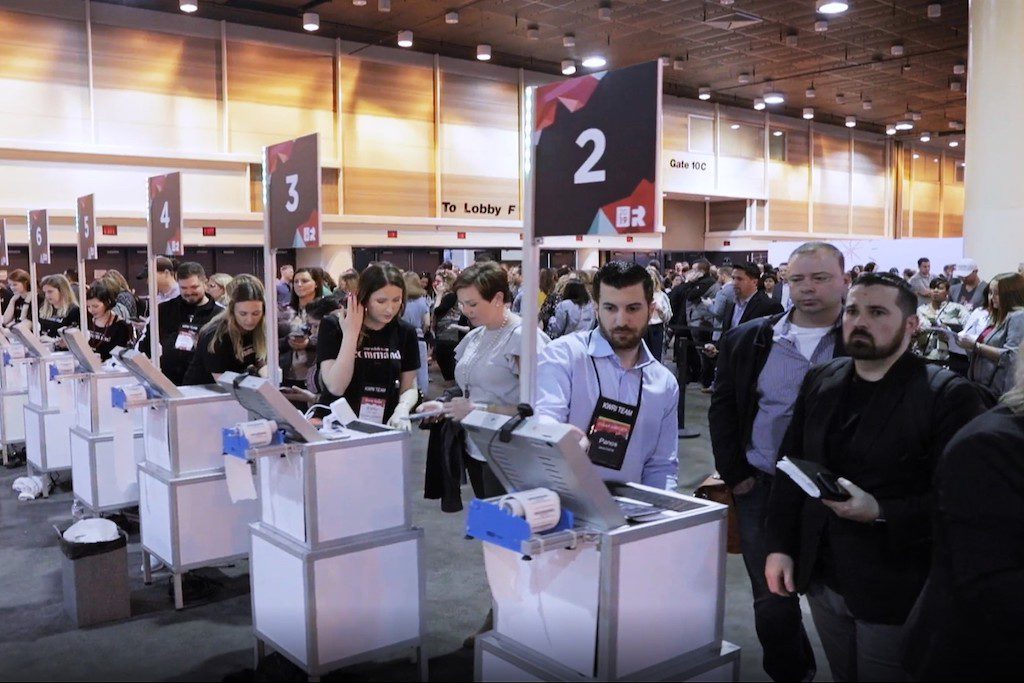
Cameras don't always have to make people uncomfortable, especially if they're not being used for facial recognition. Deployed as a way to monitor the flow of attendees, they are a big improvement on common tracking methods, such as wristbands embedded with Wi-Fi devices.
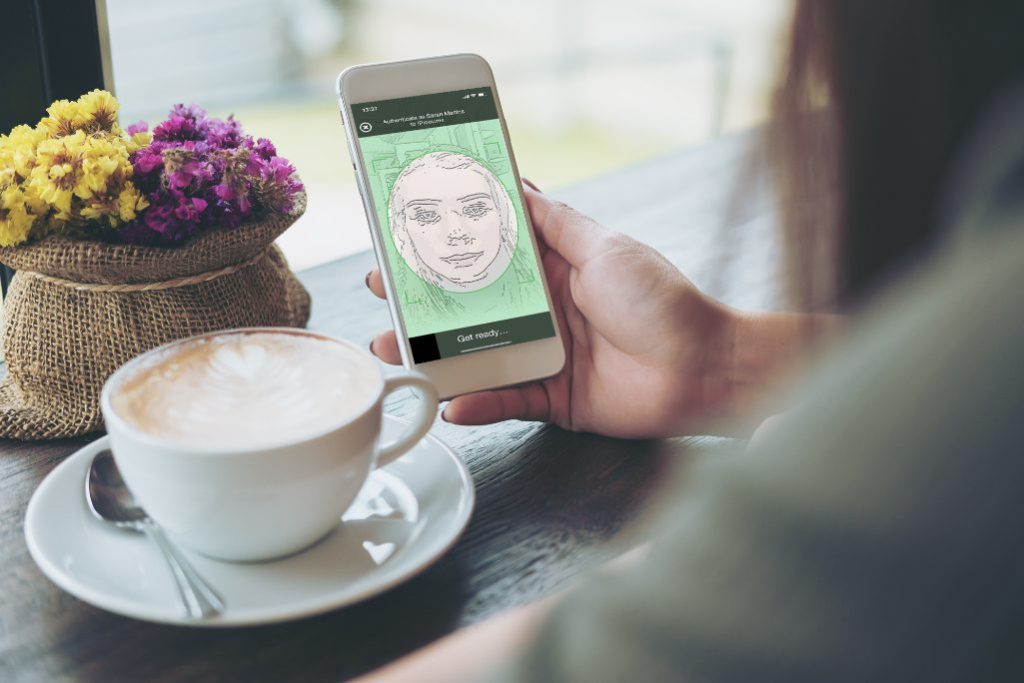
A facial recognition startup has developed a new way to protect attendee data, but many people are still wary of the technology. It's hard to blame them, considering that data breaches within the travel industry seem to be happening left and right.
With the ongoing backlash against companies improperly sharing and using data in recent months, facial scans will be a tough sell to many travelers especially if they're implemented by the government.
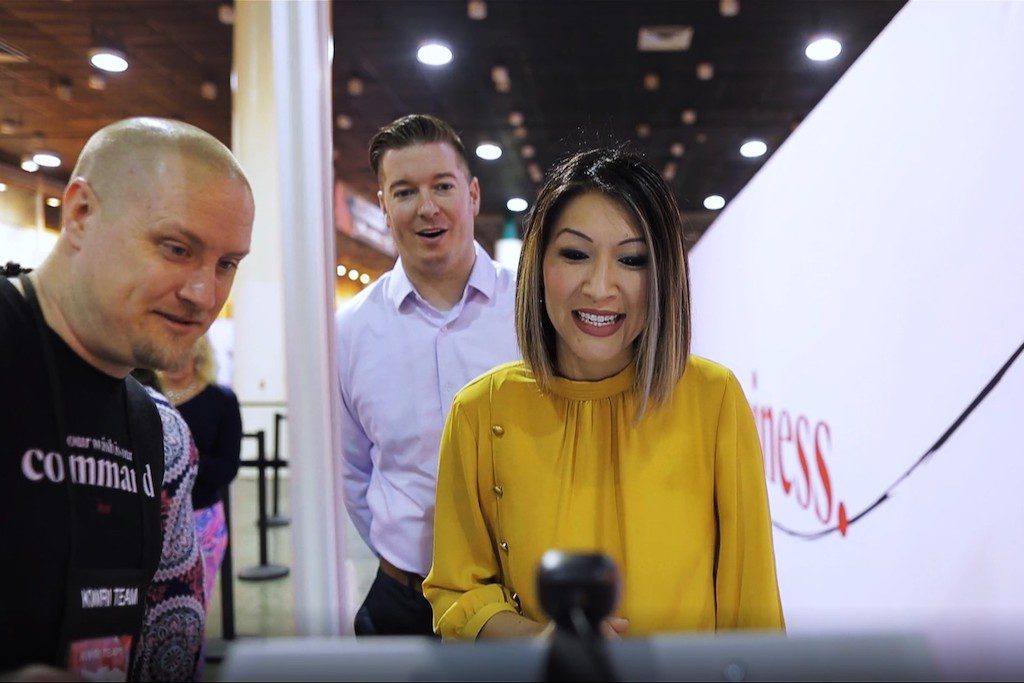
If the eyes are the windows to the soul, your face may be your ticket to your next event. Thanks to improvements in facial recognition technology, meeting and event planners have access to a whole slew of tools to make their conferences and events more interactive, engaging and secure.