The European Union is the largest tourism destination in the world. Its accommodation sector is critical infrastructure supporting all of those travelers. Understand what shifts are taking place not just at the top level but also across subsectors, countries, and companies.
Once again — and this time it's the issue of pricing transparency in alternative lodging — European regulators are out in front of their counterparts in other parts of the world, including those in the United States. Travelers shouldn't have to be detectives in trying to figure out what their lodging tab will be.
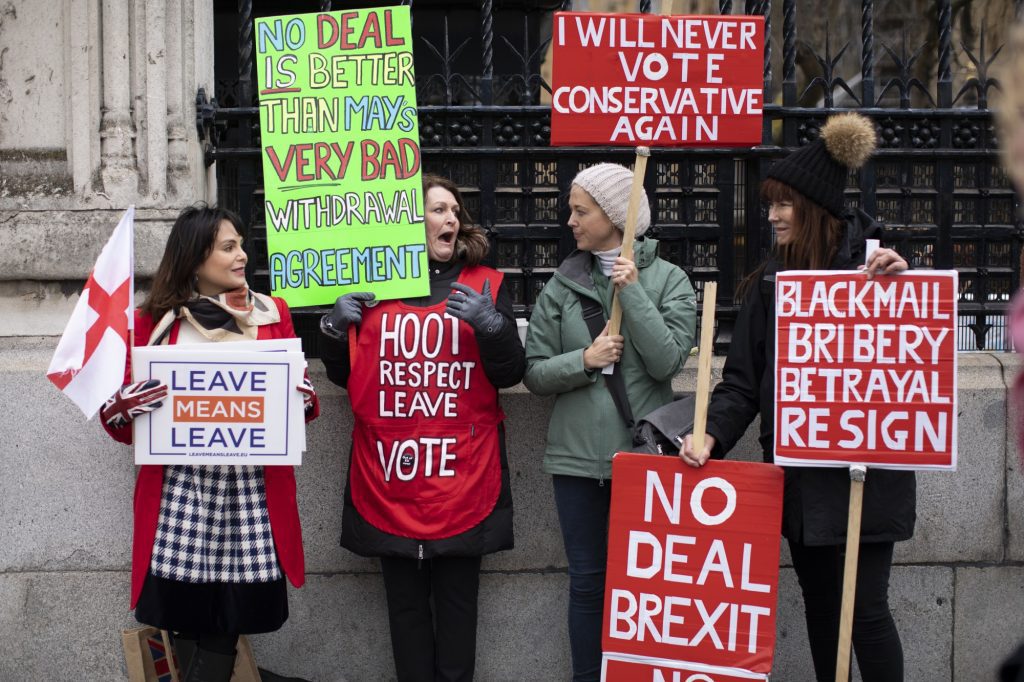
After granting a Brexit extension, EU leaders urged the UK not to waste this extra time – but that is precisely what politicians have done. Talk of leaving without a deal has grown in recent weeks and that should terrify travel businesses, even those who would enjoy a boost in inbound visitors.
Until Airbnb becomes more forthcoming about the information in its listings, which would enable cities to enforce their local regulations, the company will continue to face opposition from municipalities that want to limit its growth.
The European Union has been trying to come to grips with the continent’s fragmented airspace for more than a decade, and it doesn’t sound like a solution is any closer.
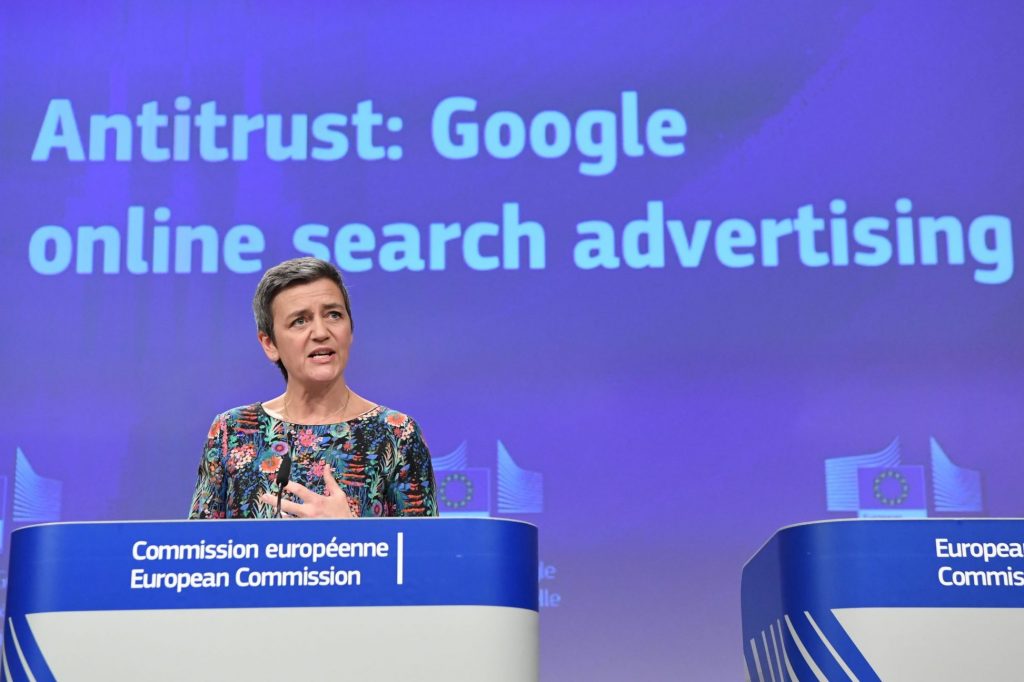
Over the last couple of years, rumors have been flying around that the European Union wanted to take a closer look at Google's travel tools. For now at least, that doesn't seem to be the case.
Whatever happens over the next few weeks, months, and years, Brexit has brought back some unpleasant memories and risks damaging the very united tourism that the north and the south in Ireland have worked so hard to build.
"Nothing has changed" has become a familiar phrase used in UK politics over the past couple of years. The country is sleepwalking towards a major crisis and nobody has any idea how to solve it.
Google clearly places its own travel businesses front and center in its search results to the detriment of competitors. Google argues that this benefits consumers. If you buy that argument, then you also probably believe that Google always knows best.