The most popular travel ads on TV in the United States in July were aspirational, but they also emphasized booking flexibility and low pricing. Pandemic formulations.
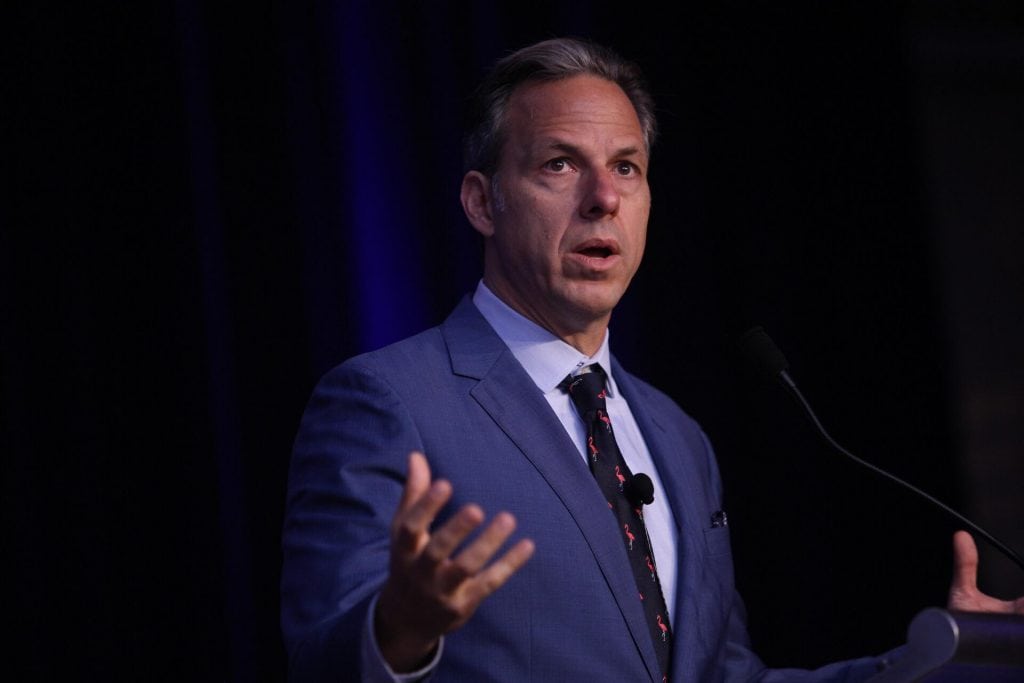
The D.C. swamp is a little less swampy because Jake Tapper is there. Sometimes the interests of great journalism and the travel industry's desire to break down cultural barriers find themselves in harmony.
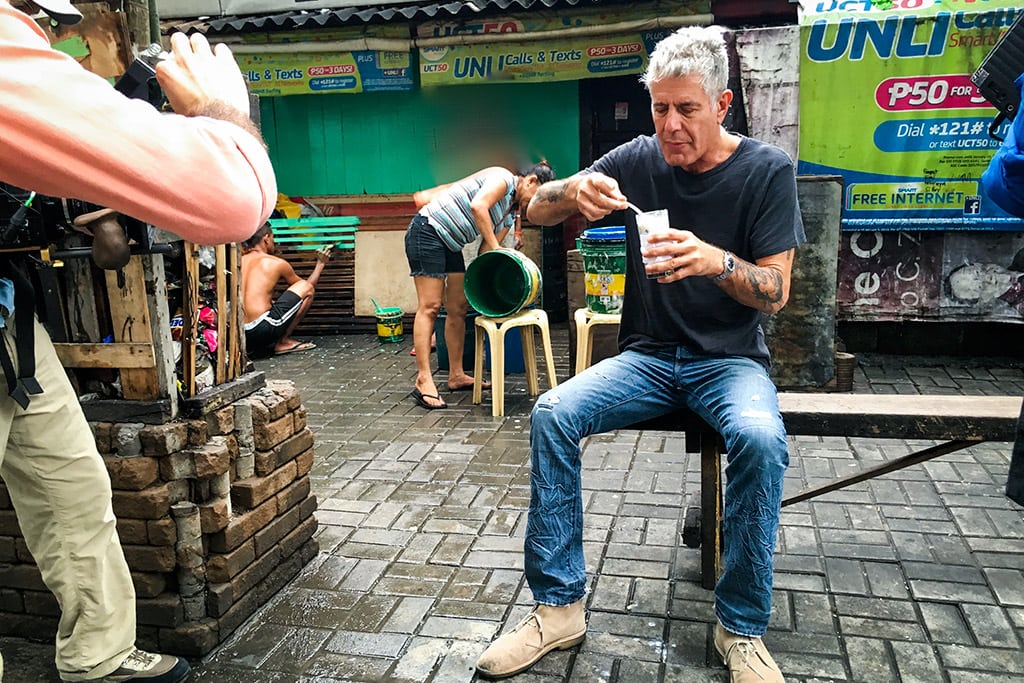
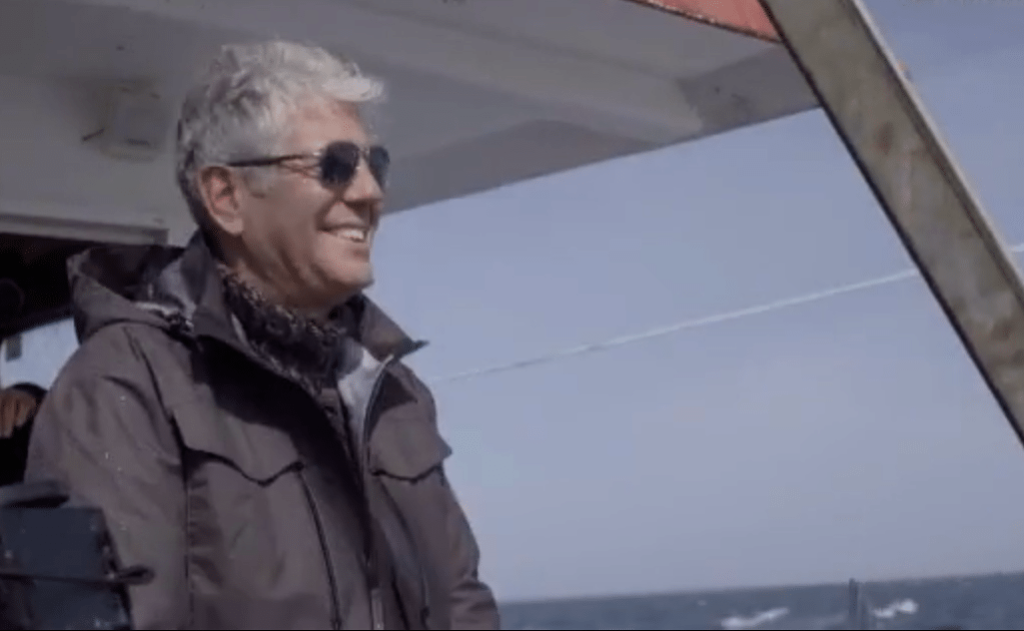
A single-minded focus on what you think is best, rather than what others are telling you is best for you, can produce both victories and defeats. More than a decade in, it's clear which category Bourdain's travel TV is in.
Bumrungrad hospital in Thailand is perhaps the shining star of affordable, foreign hospitals for medical tourists seeking treatment although most foreign hospitals aren't at the same caliber yet and may not always be a cheaper option than U.S. hospitals.
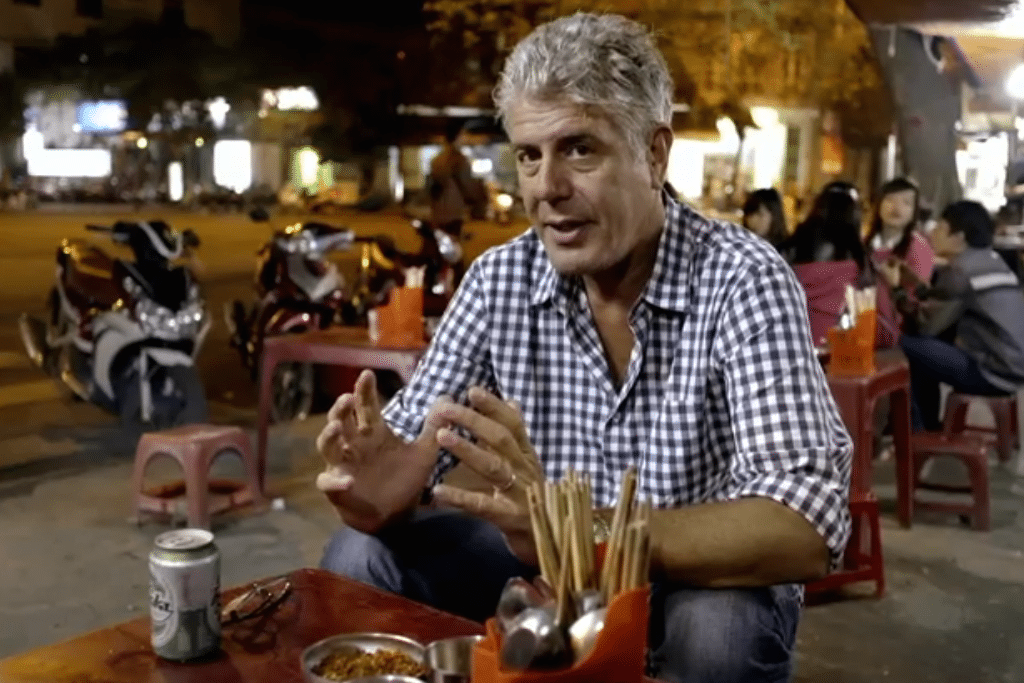
Bourdain's enthusiasm for a destination defines the tone of an episode, and this is one in which clearly all involved were more than happy to be there.
Anthony Bourdain and ZPZ take their inquisitive, open approach home for an honest, if not somewhat troubling, look at America's changing suburbs. The tactfulness in which the show examines such an issue should be a lesson for news and entertainment programs.
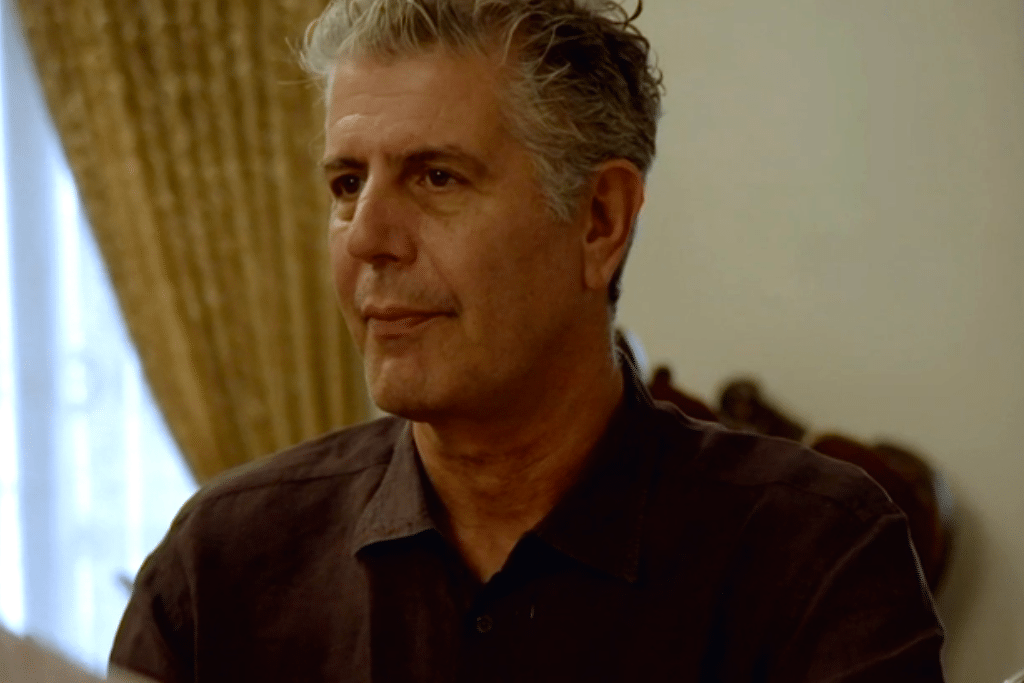
This is simply the best episode of season three with Bourdain eloquently explaining the culture, politics, and food of Iran and, as only he has a knack to do, break down the barriers between Western viewers and their misperceptions of a nation that they would also likely love.
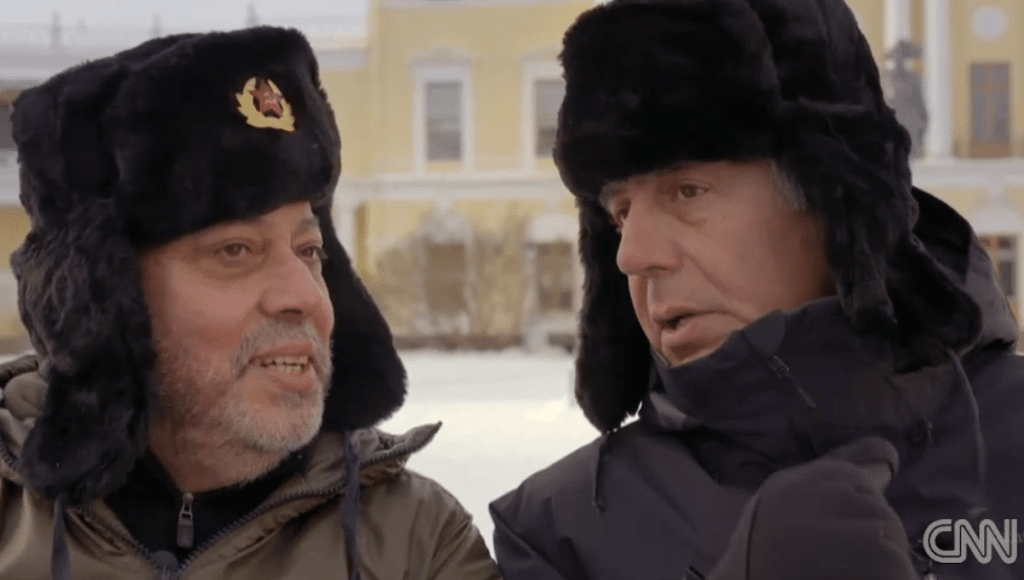
Even while irresponsibly drinking and indulgently snacking, Bourdain gives viewers a better idea of what's happening inside present-day Russia than any news segment we've ever seen.
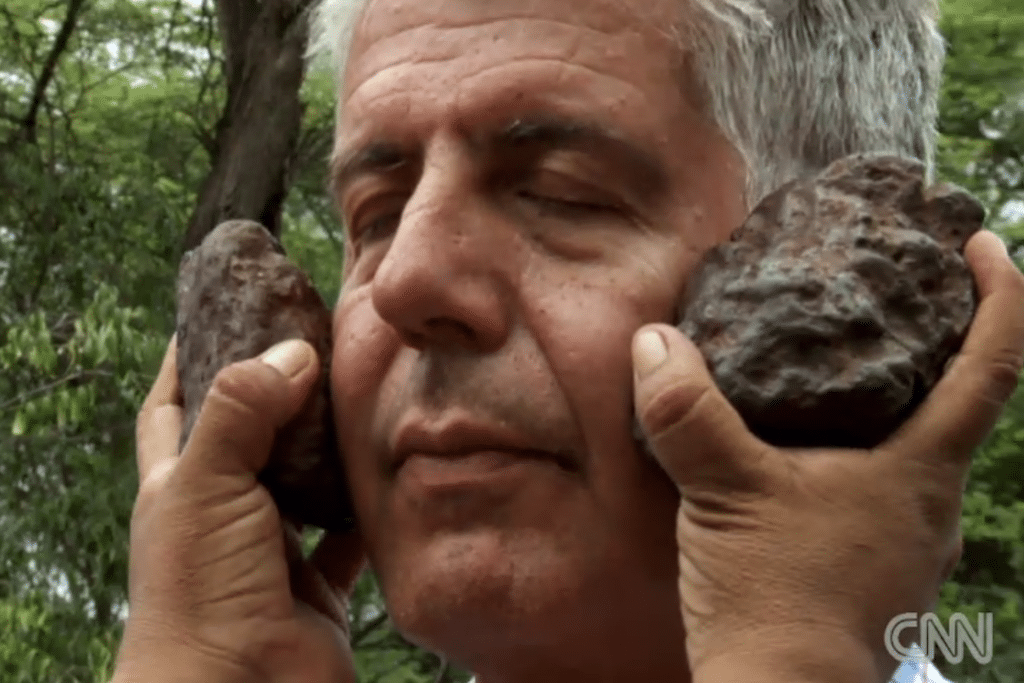
Parts Unknown has proved itself to be an insightful look at the world of travel and food, where the two intersect, and their very real socioeconomic impacts. Next week is the last season and we’ll be sad to see it end so quickly.