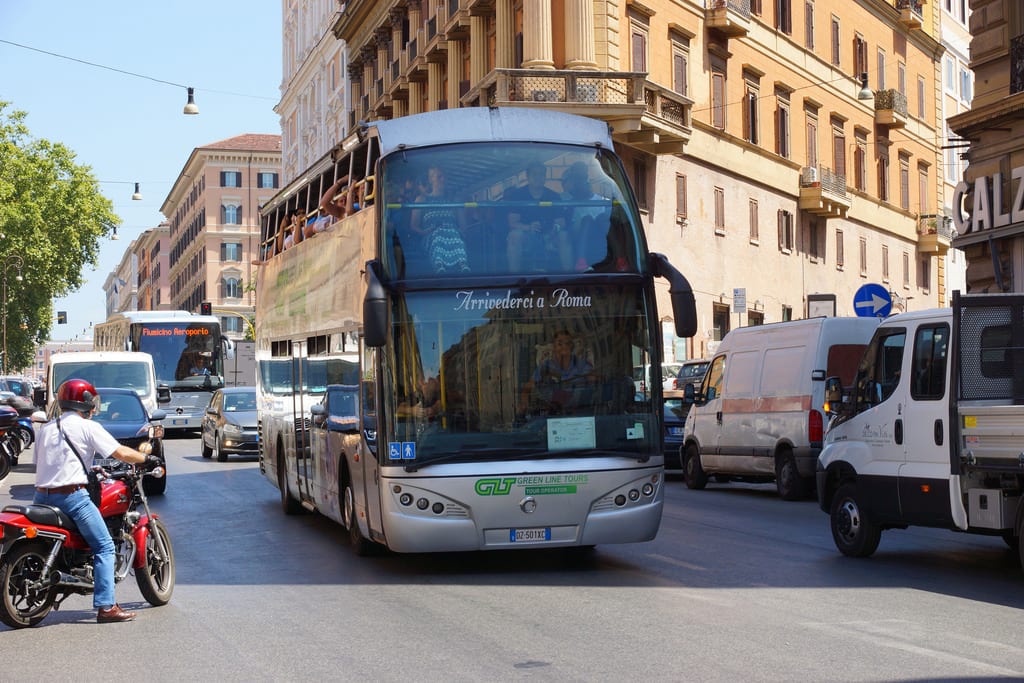
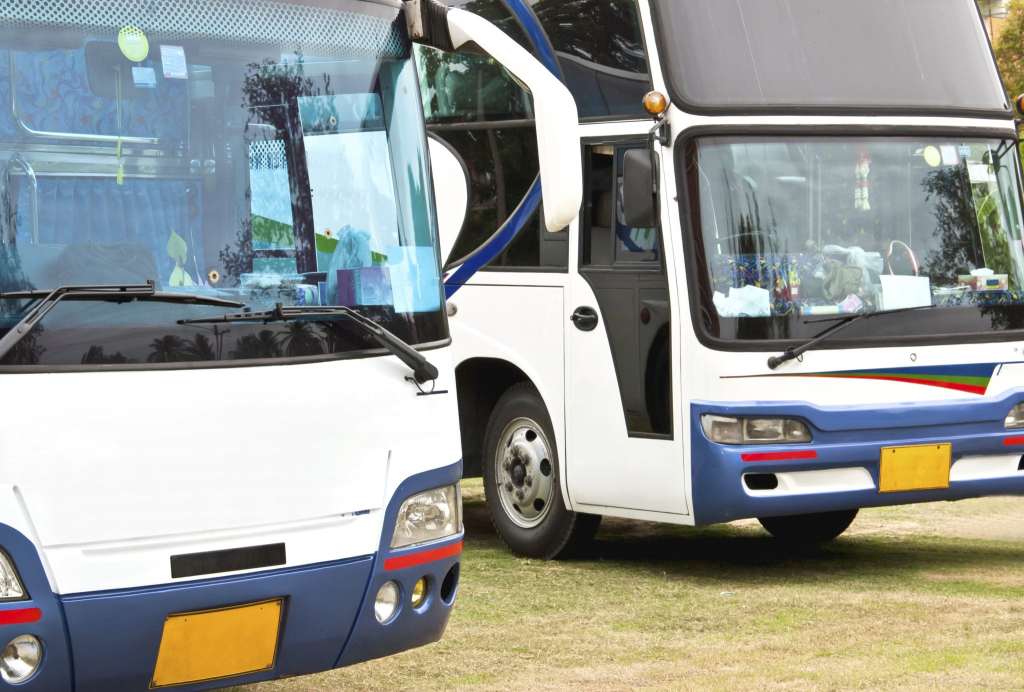
Tour buses bring thousands of people to Rome each day, but many increasingly run on cleaner fuels than their passenger car counterparts. Buses also replace some of those cars and probably know the traffic laws better than the average driver, another reason that has us scratching our heads at Rome's plan.
Rail operator SNCF also announced that it is has led a $113 million investment in BlaBlaCar as a new investor. Perhaps carpooling could prove to be a path to building a major travel brand.
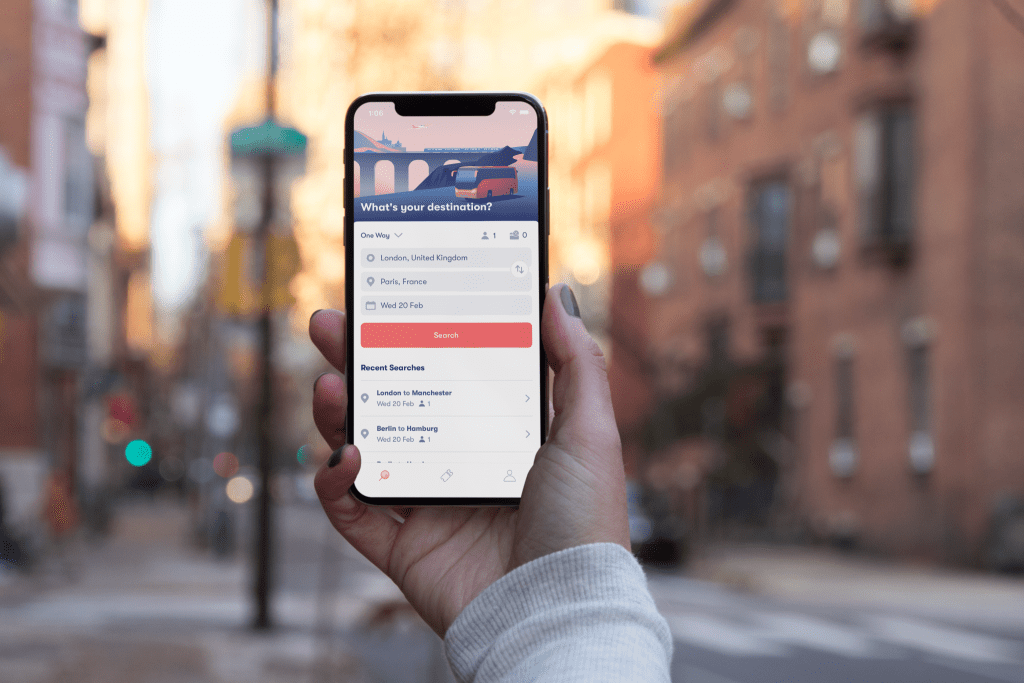
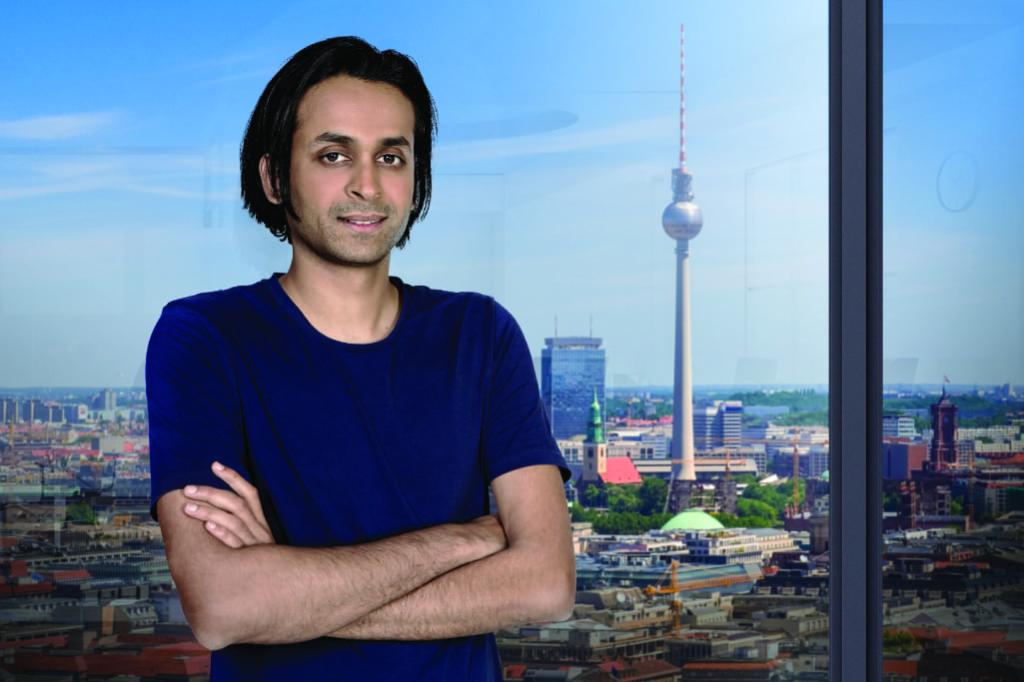
GoEuro CEO Naren Shaam said his company is having strong growth in helping consumers book intercity trips on their smartphones. But can he guide his company into profitability?
As economies around the world continue to fluctuate from boom to bust times, the bus market will remain relevant to capitalize on what consumers can afford and what amenities they're willing to give up -- or gain -- from choosing the road over the skies.
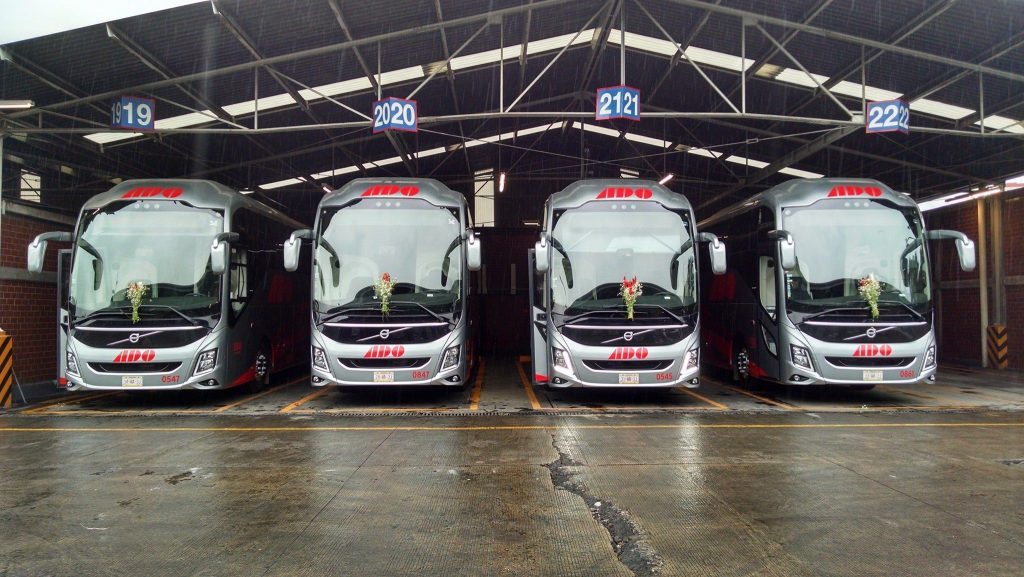
Busbud sets itself apart from other bus travel startups in both the breadth of its inventory and the markets it is going after, especially South America where bus travel is more common than the U.S.
The bus market is considerably different from air travel and hotels, but based on Greyhound's startup experiment there still remains an opportunity for one or two bus travel aggregators to break through.
The federal government would be foolish to not fuel the growth of public transit, which is reducing pollution, dependence on foreign oil, and vehicle deaths, but if it does, a growing population of Americans reliant on buses and subways will fight for the funding.
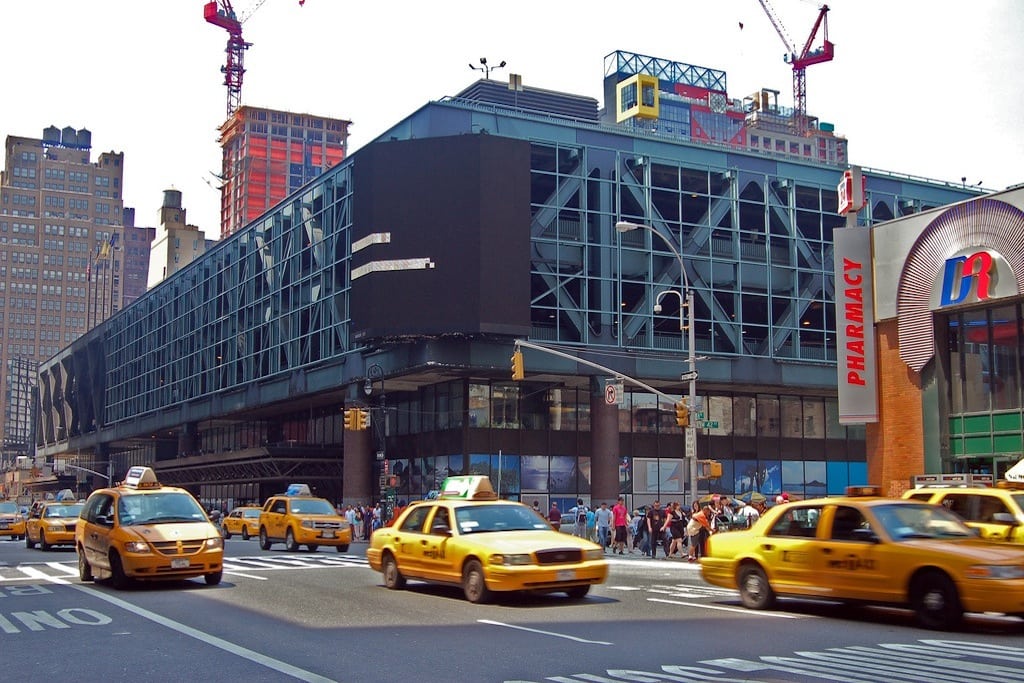
Opening the discussion to a better-designed Port Authority is a start and in line with Times Square’s efforts to clean up the area, but processing 225,000 travelers a day and looking good will always remain a challenge while crammed in mid-town.