Abu Dhabi is preparing for dramatic growth ahead of demand by modernizing IT systems and introducing more automation to the passenger process. This is a general trend at major international hubs, which serve as convenient transfer terminals for extra long-haul flights, and want to have passengers spending more time shopping or dining and less time standing in line.
While the United Arab Emirates diversifies its economy by leveraging its location as a global air axis, Dubai and Abu Dhabi are aggressively preparing for visitor numbers that will dwarf those of today.
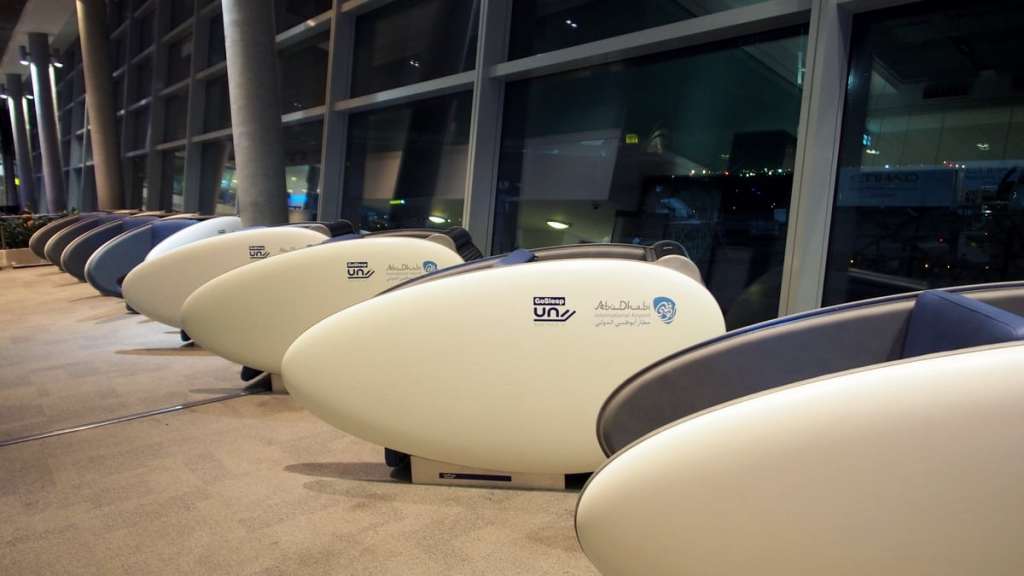
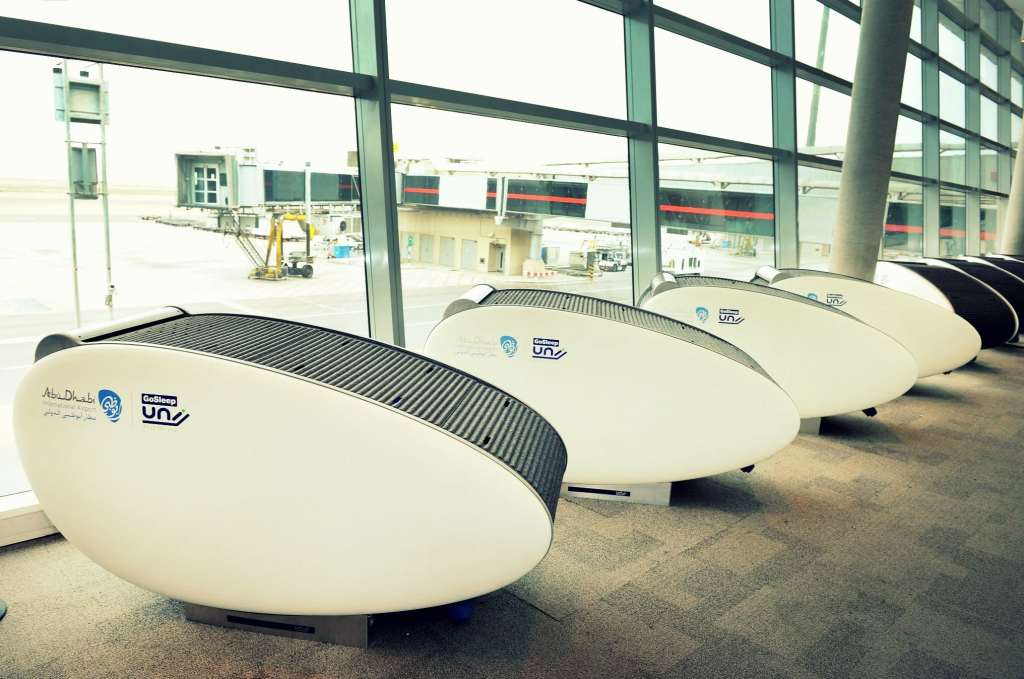
Sleeping pods will likely become more common as airports try and compete to become better layover options. This one from Abu Dhabi Airport is a good start, though pickup is tiny so far.
U.S. airlines and tourism lose money when international visitors have to wait for hours to navigate U.S. customs. There may be some politics at play in U.S. airlines opposition to the preclearance facility in Abu Dhabi, but there certainly are much busier airport gateways to the U.S. that could use similar streamlining.
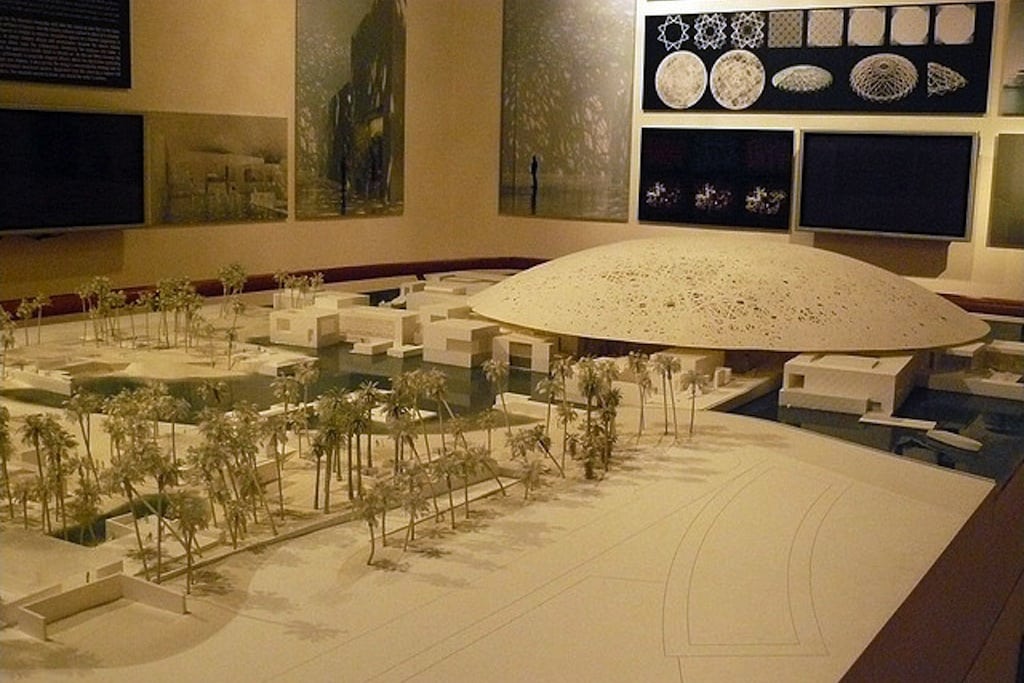
The recent staff cuts could be business as usual or a nascent sign of troubled times for the $27 billion worth of projects in production on Saadiyat Island.
Convention attendees spend more than domestic business travelers and foreign leisure tourists, making them and the expensive meetings they attend Abu Dhabi’s best bet for increasing tourism GDP.