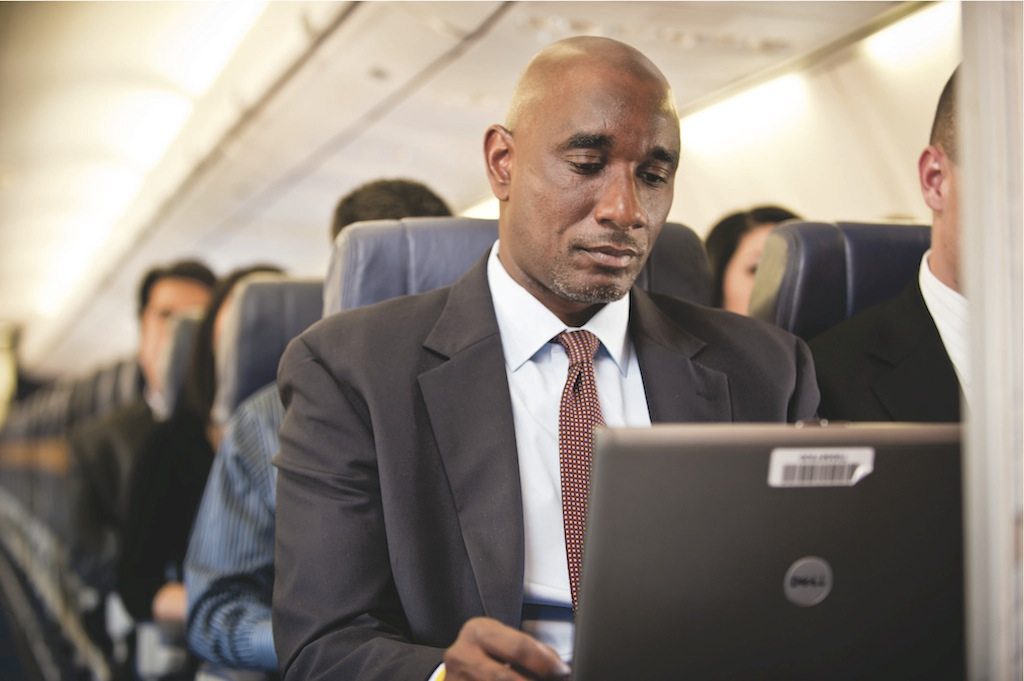
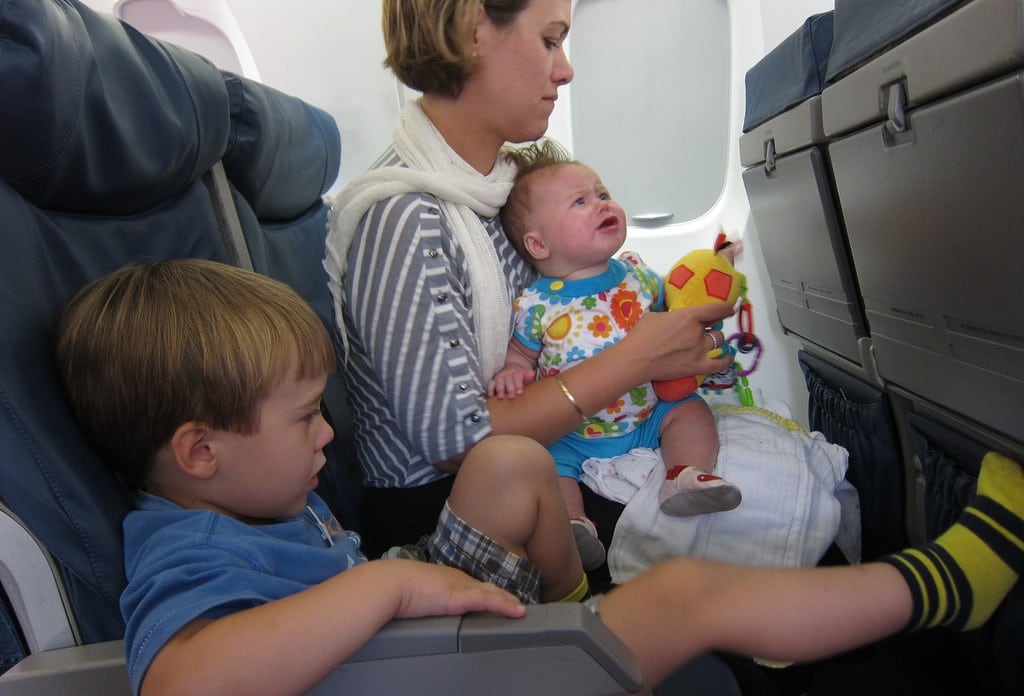
Some 40% of U.S. domestic flights currently feature seats with extra legroom in coach that are available for a fee. Expect that percentage to rise in 2014 and again in 2015.
With exponential growth in global wealth and connectivity, Starwood anticipates the next phase of hotel innovation will revolve around personalization.
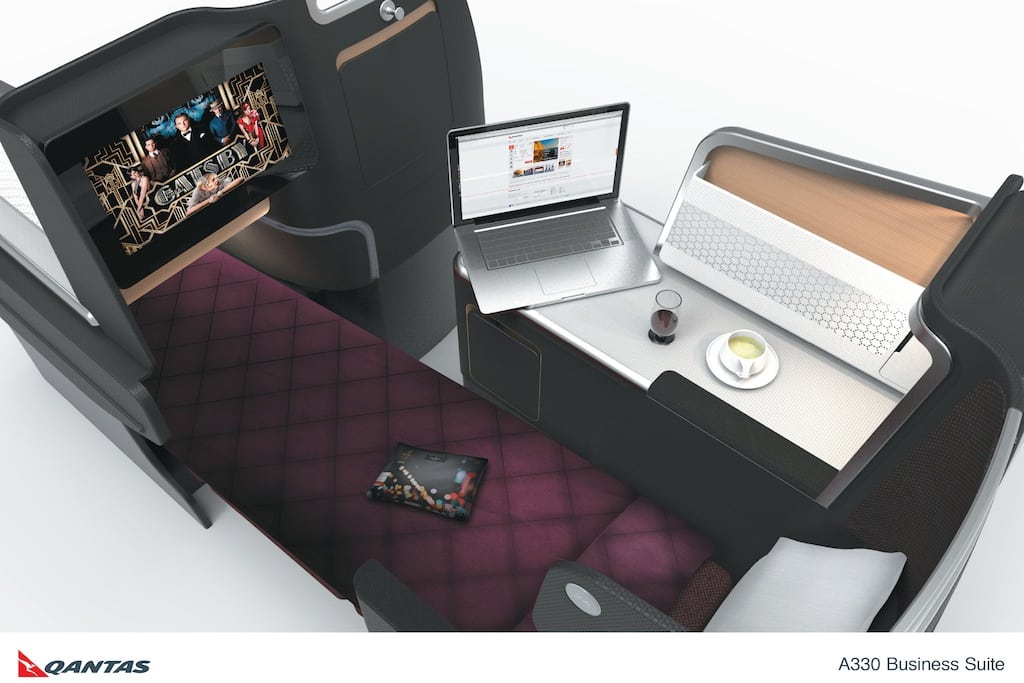
Airline seats are the new battleground for aviation flash and Qantas' investment in improving the designs and experience of flights primarily headed to Asia shows where its priorities lie.
Online booking websites are more popular than travel agencies, branded bookings, and deals websites; however, meta-search's 10 percent jump this year indicates the growing sector could soon become a more formidable competitor.
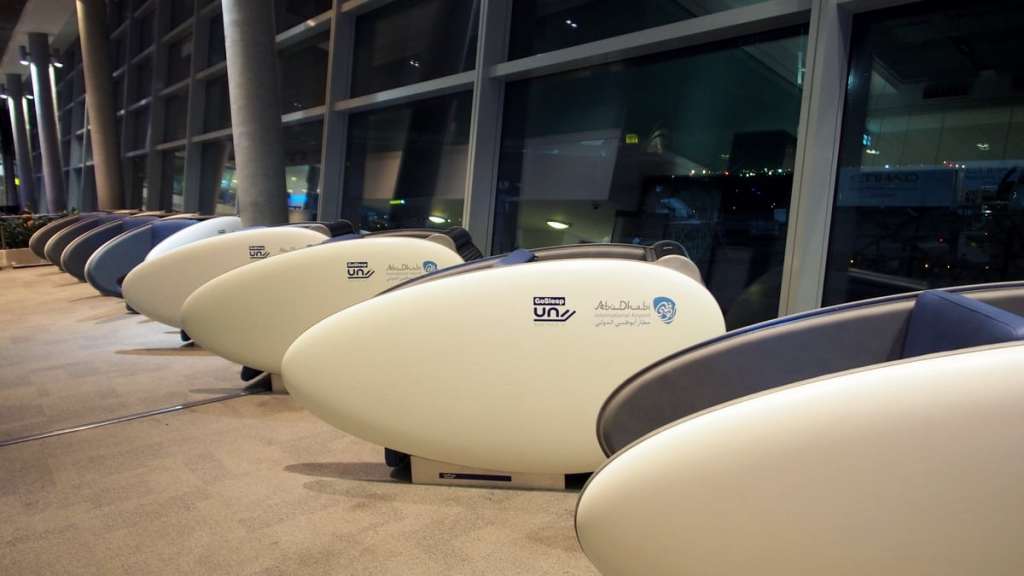
Sleeping pods will likely become more common as airports try and compete to become better layover options. This one from Abu Dhabi Airport is a good start, though pickup is tiny so far.
Adventure tourism has grown alongside a global uptick in travel so it's only logical that the future of the adventure travel market is largely dependent on whether activities and sports become popular among the growing number of tourists from China and India.
American Airlines has a lot on its plate these days, and it's a huge company. An internal team focused on startups helps the airline earn goodwill among entrepreneurs, and the team can put startups in touch with the right people at the airline who can lend a hand.
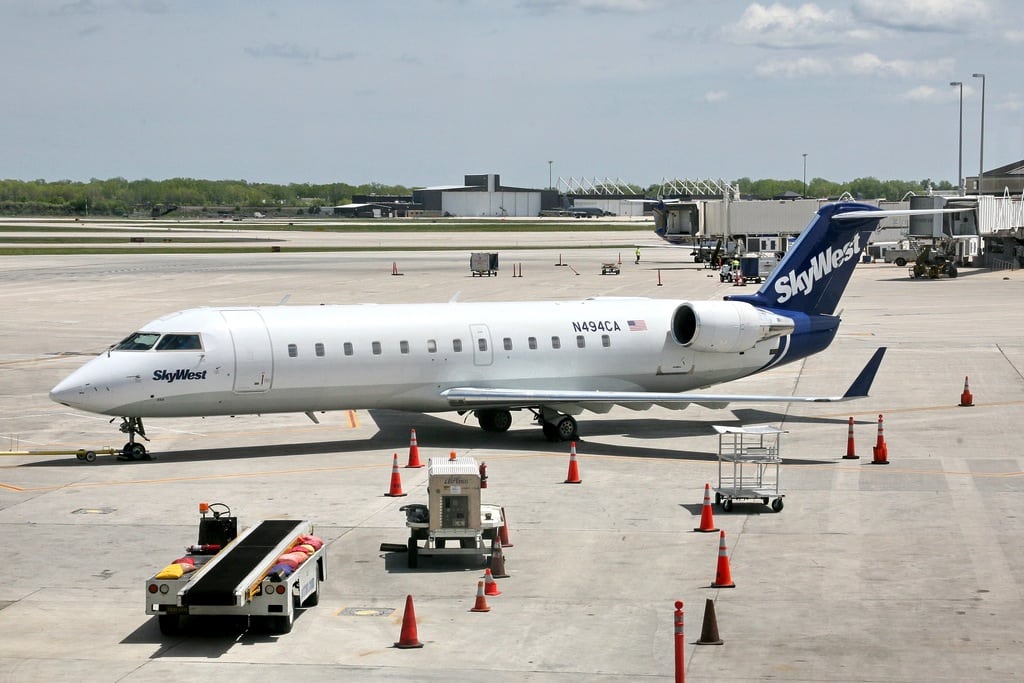
Market forces eventually will have to force improvements in regional airlines' pilot wages. And mainline airline partners are going to have to kick in some money for pilot training, and ensure that lowly paid regional pilots will find an easier path to the big payday at major airlines.