Residents of many U.S. states are still under stay-at-home orders. It seems too early to try to promote more air travel. But Southwest needs cash to stay afloat, so it probably must keep trying to fill its aircraft.
With no way of knowing how long this crisis will last or what recovery will look like, we look back at two past crises to see how the industry reacted then, and what lessons can be learned. Many, as it turns out.
Airlines are reverting to old strategies, like so-called tag flights, to try to maintain service in an era of depressed demand. It is not a panacea, but it might help them conserve cash for a bit longer.
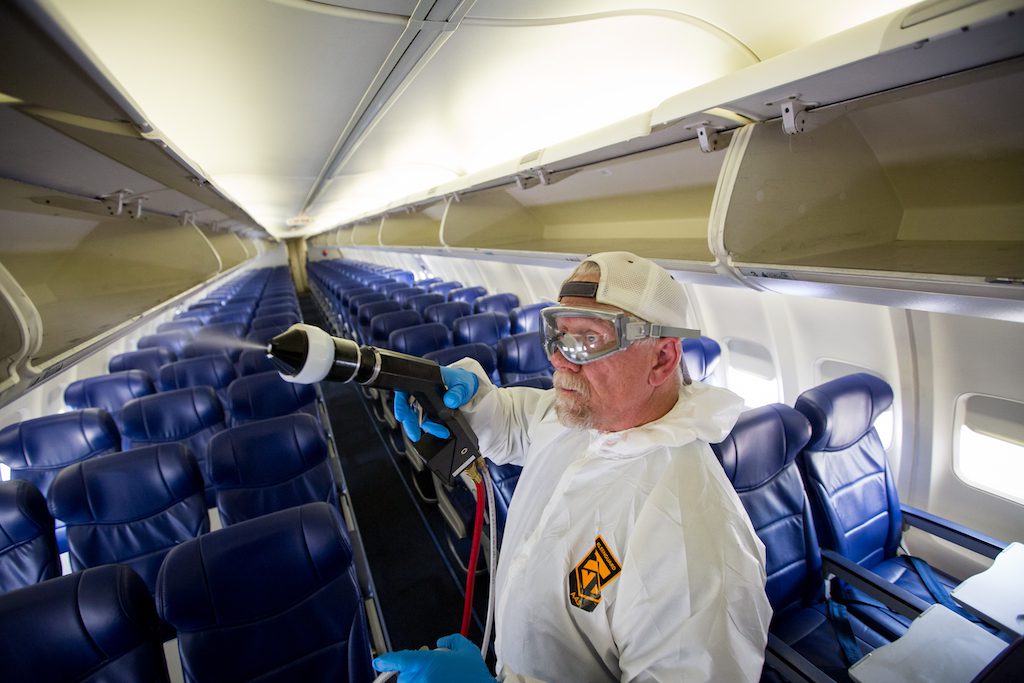
Cleanliness standards will guide guest preferences in the years ahead. Short-term rental host practices will have to undergo significant enhancements to cope with that changing consumer behavior — a heightened sensitivity to just how clean their surroundings are as an outgrowth of the coronavirus pandemic.
The surge in requests for refunds on canceled flights has given cover for con artists to commit a few types of fraud. Airlines need to tap better ways to protect themselves and travelers.
"Buy now, pay later" programs can deliver quick capital to struggling hoteliers, but operators need to remember the discounts will inevitably impact balance sheets.
Coronavirus may lead to distressed pricing and investment opportunities for firms like Blackstone, but it could take up to a year before we see the first wave of acquisition plays.