Climate Hub

Welcome to Skift’s Climate Hub, where solutions-based journalism cuts through industry spin to spotlight real progress in travel sustainability. In partnership with Intrepid Travel, Skift’s editorial team will evaluate environmental claims, highlight meaningful advancements, and hold the travel sector accountable. This independent initiative brings rigorous reporting to the forefront and pushes the industry to meet the moment in the face of growing scrutiny from travelers and stakeholders alike.

Japan’s Naoshima Island: A Portrait of Possibility for Art Tourism

Ever since Naoshima, Japan, became home to a number of contemporary art museums, sculptures, and installations, the island's identity as an "art island" has become intertwined with its history and culture. Naoshima now represents a way for other destinations to think about how tourism, and art tourism specifically, can be used to revitalize communities while preserving tradition and demonstrating respect to heritage.

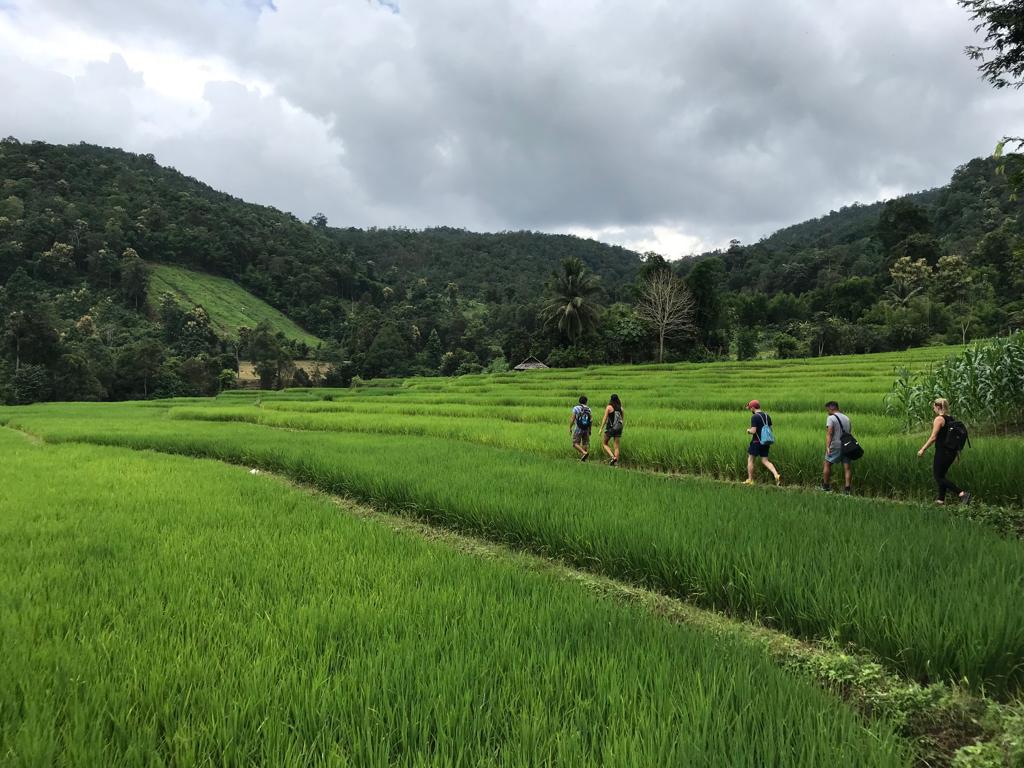
Tourism For Good: How Chiang Mai Is Showing the Way

Tourism isn't perfect, but sometimes its mission can be. Four projects in northern Thailand are dedicated to creating more sustainable livelihoods for locals, preserving customs and traditions, and developing better conservation efforts for elephants. This is the good that tourism can do.

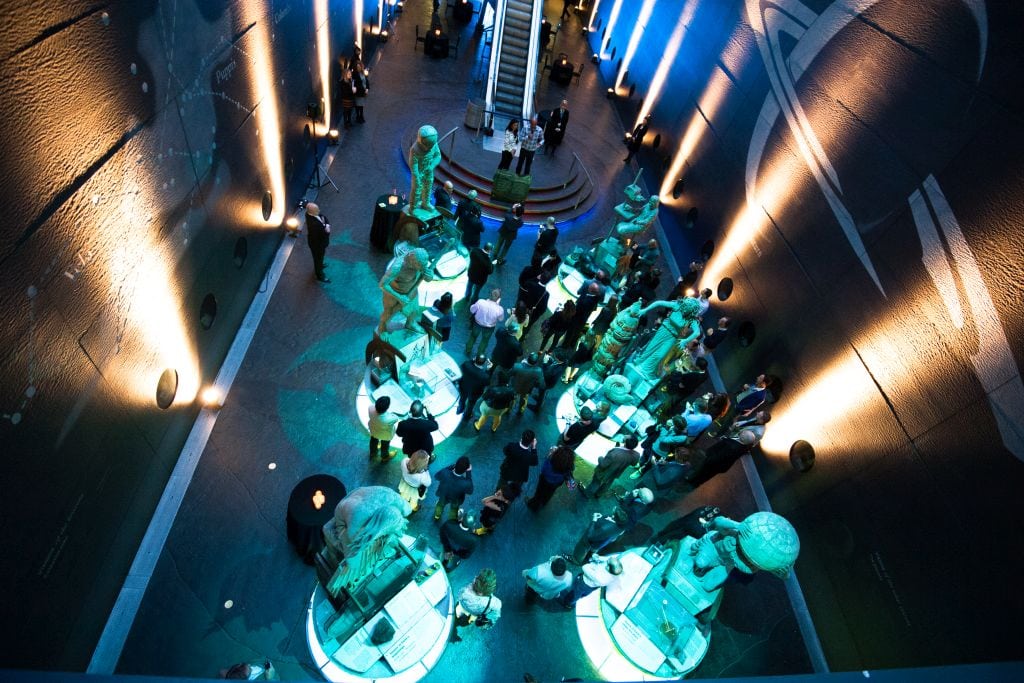
Events Know They Have a Waste Problem

Sustainability is more than a gimmick; the wider meetings and events sector is in the midst of reducing its impact on the environment while providing attendees with a more balanced and less wasteful experience.

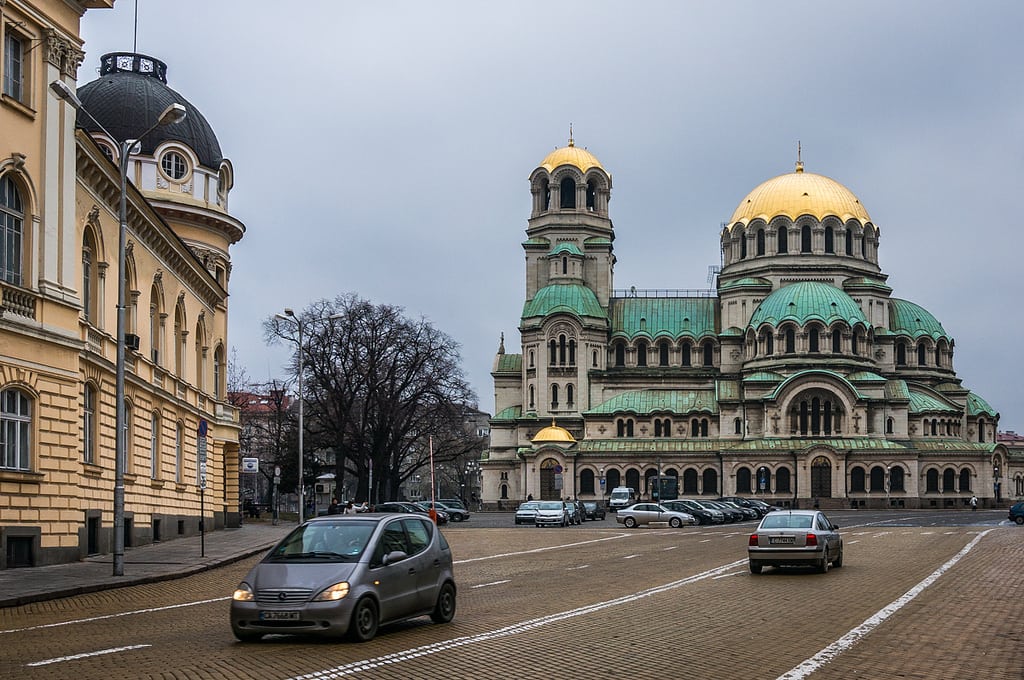
What It Means to Be an Emerging Destination in New Europe: A Sofia Deep Dive

While destinations with overtourism issues are getting a lot of attention, other cities are emerging as new frontiers for tourism. Sofia, Bulgaria, is one of those cities with a unique opportunity to declare to the world what it wants to be as a destination, and to define a vision and strategy for how tourism can develop sustainably.

Lisbon’s Overtourism Lesson: Living Like a Local Is Not Enough

Lisbon's post-crisis evolution and corresponding tourism boom show the dramatic impact and lasting ramifications of overtourism. Efforts have centered on sustainable tourism and limiting tourism's potential negative impacts, but, in our view, the focus has been all wrong. Sustainable tourism should be about sustainable cultures, and we all have a role to play.